
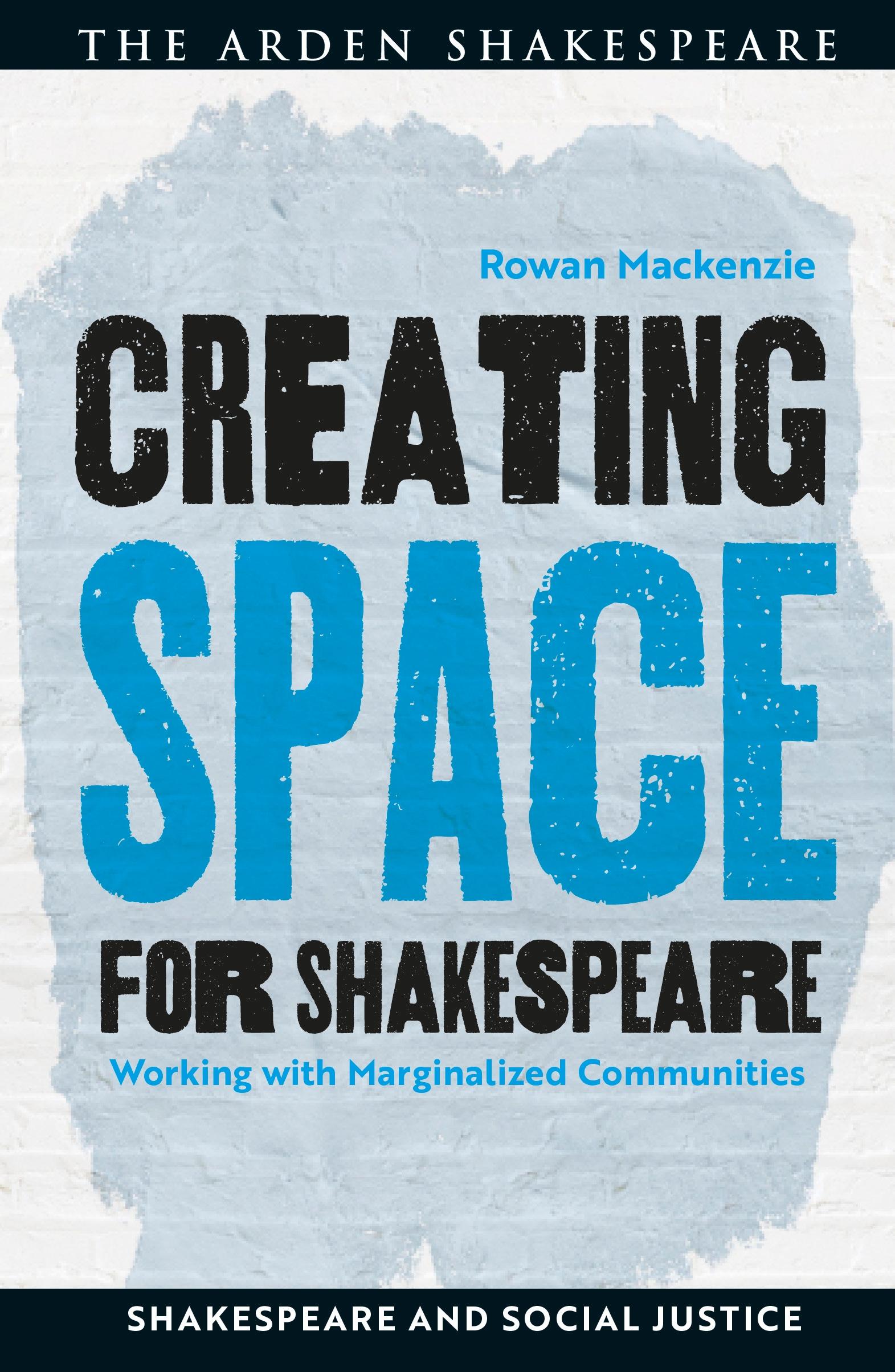
Applied Shakespeare is attracting growing interest from practitioners and academics alike, all keen to understand the ways in which performing his works can offer opportunities for reflection, transformation, dialogue regarding social justice, and challenging of perceived limitations. This book adds a new dimension to the field by taking an interdisciplinary approach to topics which have traditionally been studied individually, examining the communication opportunities Shakespeare's work can offer for a range of marginalized people.
It draws on a diverse range of projects from across the globe, many of which the author has facilitated or been directly involved with, including those with incarcerated people, people with mental health issues, learning disabilities and who have experienced homelessness. As this book evidences, Shakespeare can be used to alter the spatial constraints of people who feel imprisoned, whether literally or metaphorically, enabling them to speak and to be heard in ways which may previously have been elusive or unattainable.
The book examines the use of trauma-informed principles to explore the ways in which consistency, longevity, trust and collaboration enable the development of resilience, positive autonomy and communication skills. It explores this phenomenon of creating space for people to find their own way of expressing themselves in a way that mainstream society can understand, whilst also challenging society to 'see better' and to hear better. This is not a process of social homogenisation but of encouraging positive interactions and removing the stigma of marginalization.
It draws on a diverse range of projects from across the globe, many of which the author has facilitated or been directly involved with, including those with incarcerated people, people with mental health issues, learning disabilities and who have experienced homelessness. As this book evidences, Shakespeare can be used to alter the spatial constraints of people who feel imprisoned, whether literally or metaphorically, enabling them to speak and to be heard in ways which may previously have been elusive or unattainable.
The book examines the use of trauma-informed principles to explore the ways in which consistency, longevity, trust and collaboration enable the development of resilience, positive autonomy and communication skills. It explores this phenomenon of creating space for people to find their own way of expressing themselves in a way that mainstream society can understand, whilst also challenging society to 'see better' and to hear better. This is not a process of social homogenisation but of encouraging positive interactions and removing the stigma of marginalization.
Sidor: 280
Kategori: Drama, Teater & Scenkonst
e-ISBN: 9781350272668
Fraktvikt: 1.2 kg
Skickas inom: 1-2 dagar
Betala smidigt med kort, Klarna, Apple Pay eller Google Pay. Är du inte nöjd har du alltid 14 dagars ångerrätt. Läs mer i våra villkor. Har du några frågor, mejla oss på hello@memmo.org.
Memmo gör det enklare att plugga – var du än är i världen. Hos oss samlar du kursböcker och smarta studieverktyg på ett och samma ställe: sammanfattningar, quiz, poddar och flashcards. Och så Ted, din studiekompis som svarar på allt du undrar. Över 50 000 studenter pluggar redan här – byggt för att du ska lära dig snabbare och stressa mindre.