
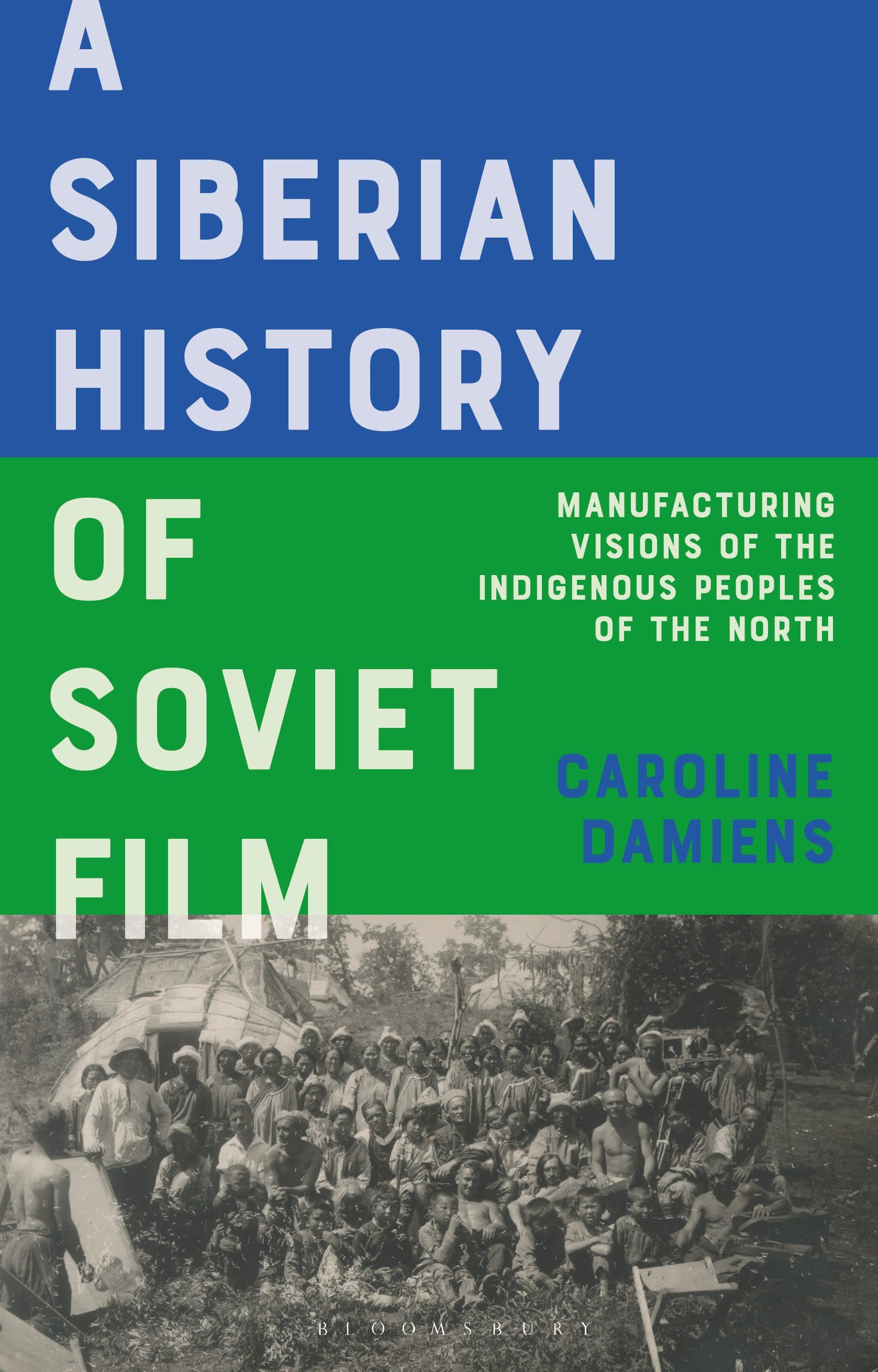
Winner of the British Association of Film, Television and Screen Studies Best First Monograph Award
In A Siberian History of Soviet Film, Caroline Damiens explores how the depictions of the indigenous 'Peoples of the North' in Soviet cinema and television evolved between 1920 and 1980.
Damiens combines a detailed analysis of key works such as Forest People (1928), Igdenbu (1930), Dersu Uzala (1961 & 1975), Tymancha's Friend (1969) and The Most Beautiful Ships (1972), with primary sources like press articles, archives, and interviews, to reveal how these cinematic portrayals were created and negotiated, providing insight into the concepts of progress and authenticity in the Soviet context. She emphasises the role of indigenous individuals in shaping their cinematic image, both in front of and behind the camera, highlighting the works of lesser-known figures like Suntsai Geonka, Zinaida Pikunova, and Iurii Rytkheu. In doing so, Damiens emphasises the multifaceted nature of film, where interpretations differ based on the perspectives of those involved.
Using a decolonial approach and drawing from extensive archival materials, Damiens prompts a re-evaluation of the Soviet cinematic past and present by centring indigenous voices in the narrative. In doing so, she provides a thorough exploration of the intricate relationship between culture, representation, and identity in Soviet cinema.
In A Siberian History of Soviet Film, Caroline Damiens explores how the depictions of the indigenous 'Peoples of the North' in Soviet cinema and television evolved between 1920 and 1980.
Damiens combines a detailed analysis of key works such as Forest People (1928), Igdenbu (1930), Dersu Uzala (1961 & 1975), Tymancha's Friend (1969) and The Most Beautiful Ships (1972), with primary sources like press articles, archives, and interviews, to reveal how these cinematic portrayals were created and negotiated, providing insight into the concepts of progress and authenticity in the Soviet context. She emphasises the role of indigenous individuals in shaping their cinematic image, both in front of and behind the camera, highlighting the works of lesser-known figures like Suntsai Geonka, Zinaida Pikunova, and Iurii Rytkheu. In doing so, Damiens emphasises the multifaceted nature of film, where interpretations differ based on the perspectives of those involved.
Using a decolonial approach and drawing from extensive archival materials, Damiens prompts a re-evaluation of the Soviet cinematic past and present by centring indigenous voices in the narrative. In doing so, she provides a thorough exploration of the intricate relationship between culture, representation, and identity in Soviet cinema.
Sidor: 320
Kategori: Film- & Medievetenskap
e-ISBN: 9781350269897
Fraktvikt: 1.2 kg
Skickas inom: 1-2 dagar
Betala smidigt med kort, Klarna, Apple Pay eller Google Pay. Är du inte nöjd har du alltid 14 dagars ångerrätt. Läs mer i våra villkor. Har du några frågor, mejla oss på hello@memmo.org.
Memmo gör det enklare att plugga – var du än är i världen. Hos oss samlar du kursböcker och smarta studieverktyg på ett och samma ställe: sammanfattningar, quiz, poddar och flashcards. Och så Ted, din studiekompis som svarar på allt du undrar. Över 50 000 studenter pluggar redan här – byggt för att du ska lära dig snabbare och stressa mindre.