
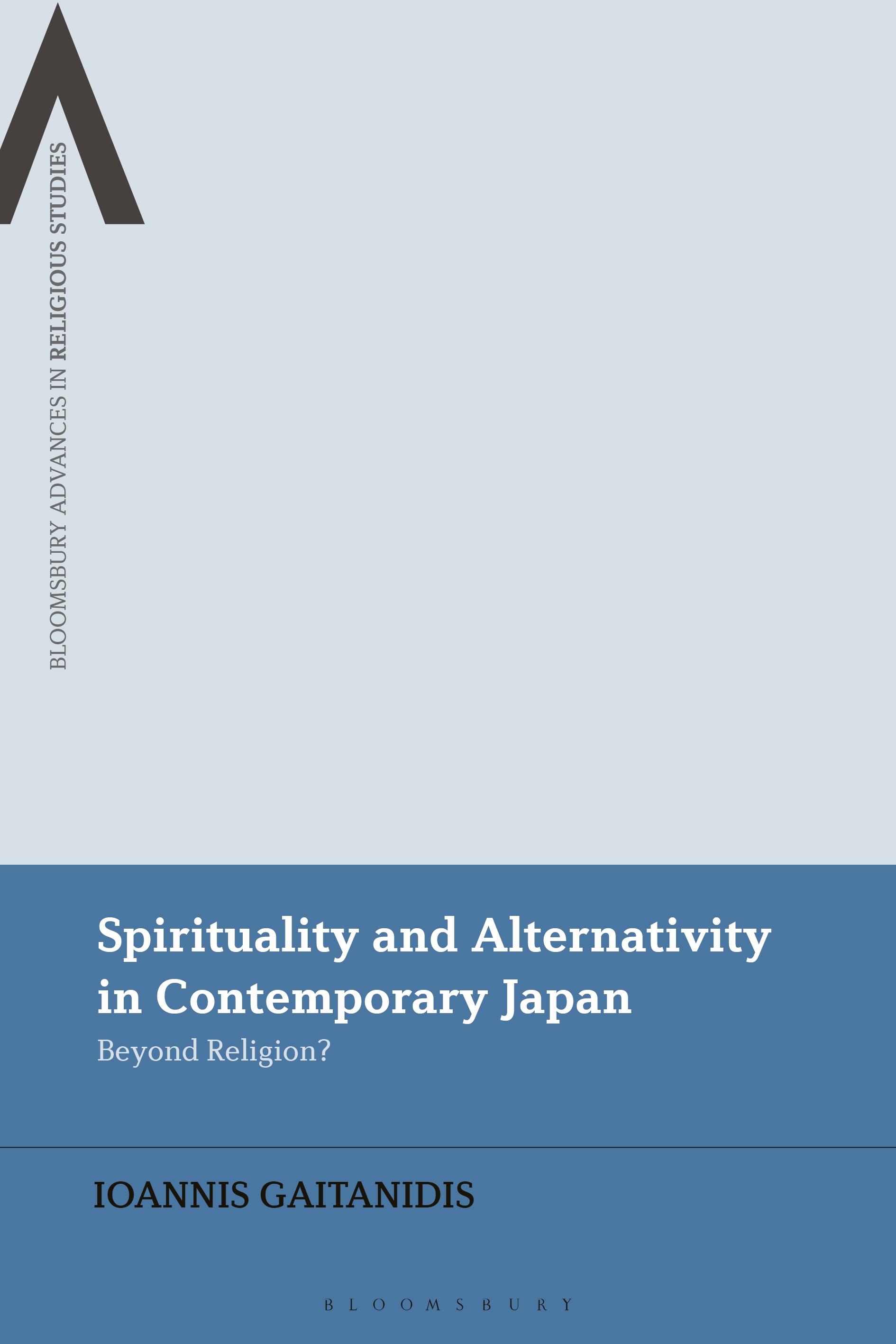
This book critically analyses the creation and effects of spirituality as both discourse and practice in Japan. It shows how the value of spirituality has been sustained by scholars who have wished for a more civic role for religion; by the publishing industry whose exponential growth in the 1980s fashioned those who later identified as the representatives of this “new spirituality culture”; by “spiritual therapists” who have sought to eke out a livelihood in an increasingly professionalized and regulated therapeutic field; and by the cruel optimism of an increasingly precarious workforce placing its hopes in the imagined alternative that the supirichuaru represents.
Ioannis Gaitanidis offers a new transdisciplinary conceptualisation of 'alternativity' that can be applied across and beyond the disciplines of religious studies, media studies, popular culture studies and the anthropology/sociology of medicine.
Ioannis Gaitanidis offers a new transdisciplinary conceptualisation of 'alternativity' that can be applied across and beyond the disciplines of religious studies, media studies, popular culture studies and the anthropology/sociology of medicine.
Betala smidigt med kort, Klarna, Apple Pay eller Google Pay. Är du inte nöjd har du alltid 14 dagars ångerrätt. Läs mer i våra villkor. Har du några frågor, mejla oss på hello@memmo.org.
Memmo gör det enklare att plugga – var du än är i världen. Hos oss samlar du kursböcker och smarta studieverktyg på ett och samma ställe: sammanfattningar, quiz, poddar och flashcards. Och så Ted, din studiekompis som svarar på allt du undrar. Över 50 000 studenter pluggar redan här – byggt för att du ska lära dig snabbare och stressa mindre.