
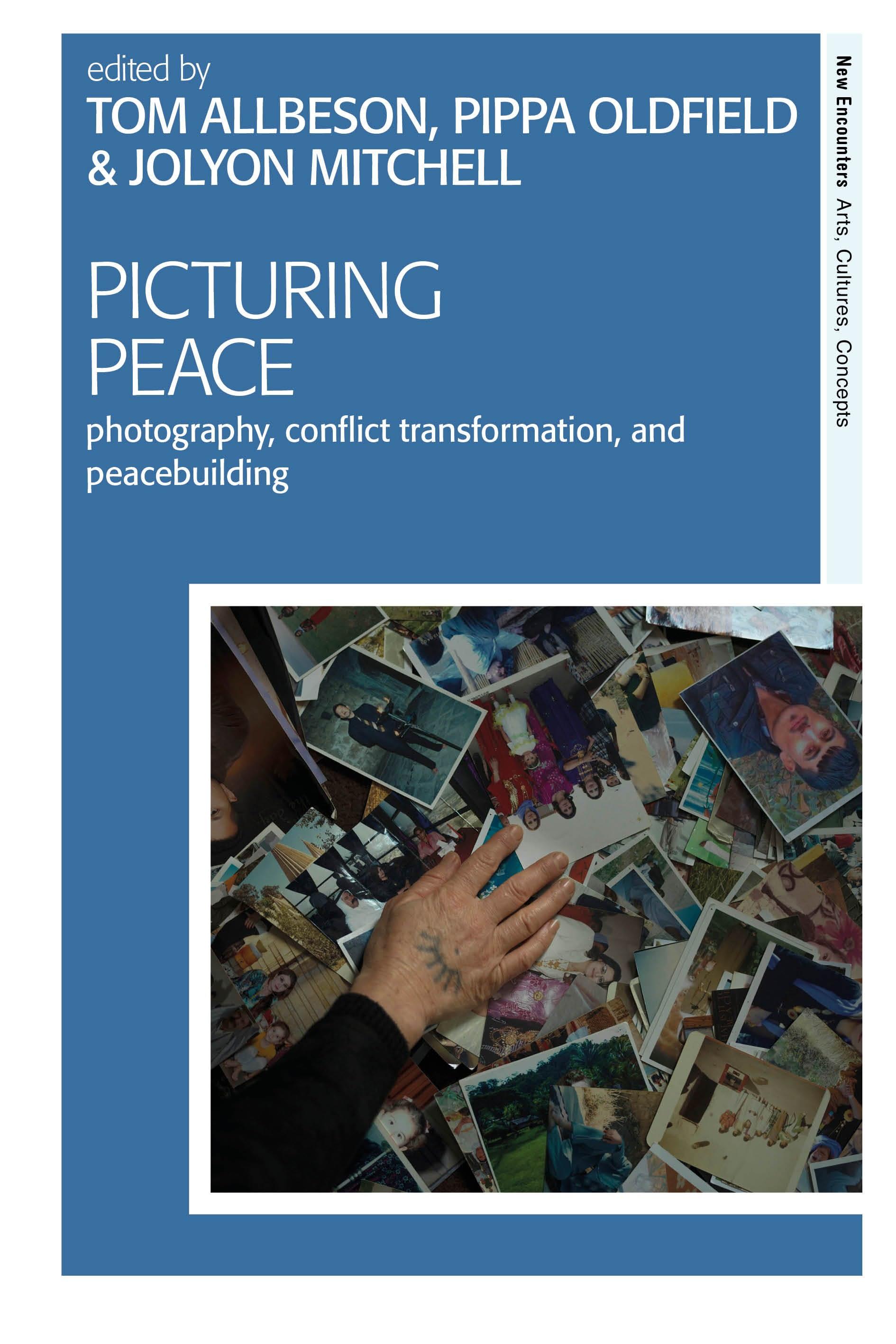
How can photographers, curators, and editors convey narratives of peace and not just stories of war?
Providing interdisciplinary and international perspectives on timely debates, Picturing Peace explores humanitarianism and visual culture, community collaboration, collective memory, and imagined futures for creating and sustaining of civil societies. How things look and are perceived are not superficial issues; when it comes to war and conflict, photography is vitally relevant not only to documenting violence, but also to rebuilding peaceful societies.
The volume examines the intersecting issues of visual culture and peacebuilding, including: the genealogies of photography and conflict, decolonisation and the gaze, the significance of archival material, as well as recent peacebuilding initiatives. Exploring multiple forms of peace photography, the volume offers a range of voices from preeminent international scholars, as well as interviews with practicing photographers who have experience of working with post-conflict communities. As such, the book provides a timely investigation into the politics of representation, questioning how photographers might help foster social relationships, transform conflicts, and reconcile communities in the image-oriented cultures.
Providing interdisciplinary and international perspectives on timely debates, Picturing Peace explores humanitarianism and visual culture, community collaboration, collective memory, and imagined futures for creating and sustaining of civil societies. How things look and are perceived are not superficial issues; when it comes to war and conflict, photography is vitally relevant not only to documenting violence, but also to rebuilding peaceful societies.
The volume examines the intersecting issues of visual culture and peacebuilding, including: the genealogies of photography and conflict, decolonisation and the gaze, the significance of archival material, as well as recent peacebuilding initiatives. Exploring multiple forms of peace photography, the volume offers a range of voices from preeminent international scholars, as well as interviews with practicing photographers who have experience of working with post-conflict communities. As such, the book provides a timely investigation into the politics of representation, questioning how photographers might help foster social relationships, transform conflicts, and reconcile communities in the image-oriented cultures.
Betala smidigt med kort, Klarna, Apple Pay eller Google Pay. Är du inte nöjd har du alltid 14 dagars ångerrätt. Läs mer i våra villkor. Har du några frågor, mejla oss på hello@memmo.org.
Memmo gör det enklare att plugga – var du än är i världen. Hos oss samlar du kursböcker och smarta studieverktyg på ett och samma ställe: sammanfattningar, quiz, poddar och flashcards. Och så Ted, din studiekompis som svarar på allt du undrar. Över 75 000 studenter pluggar redan här – byggt för att du ska lära dig snabbare och stressa mindre.