
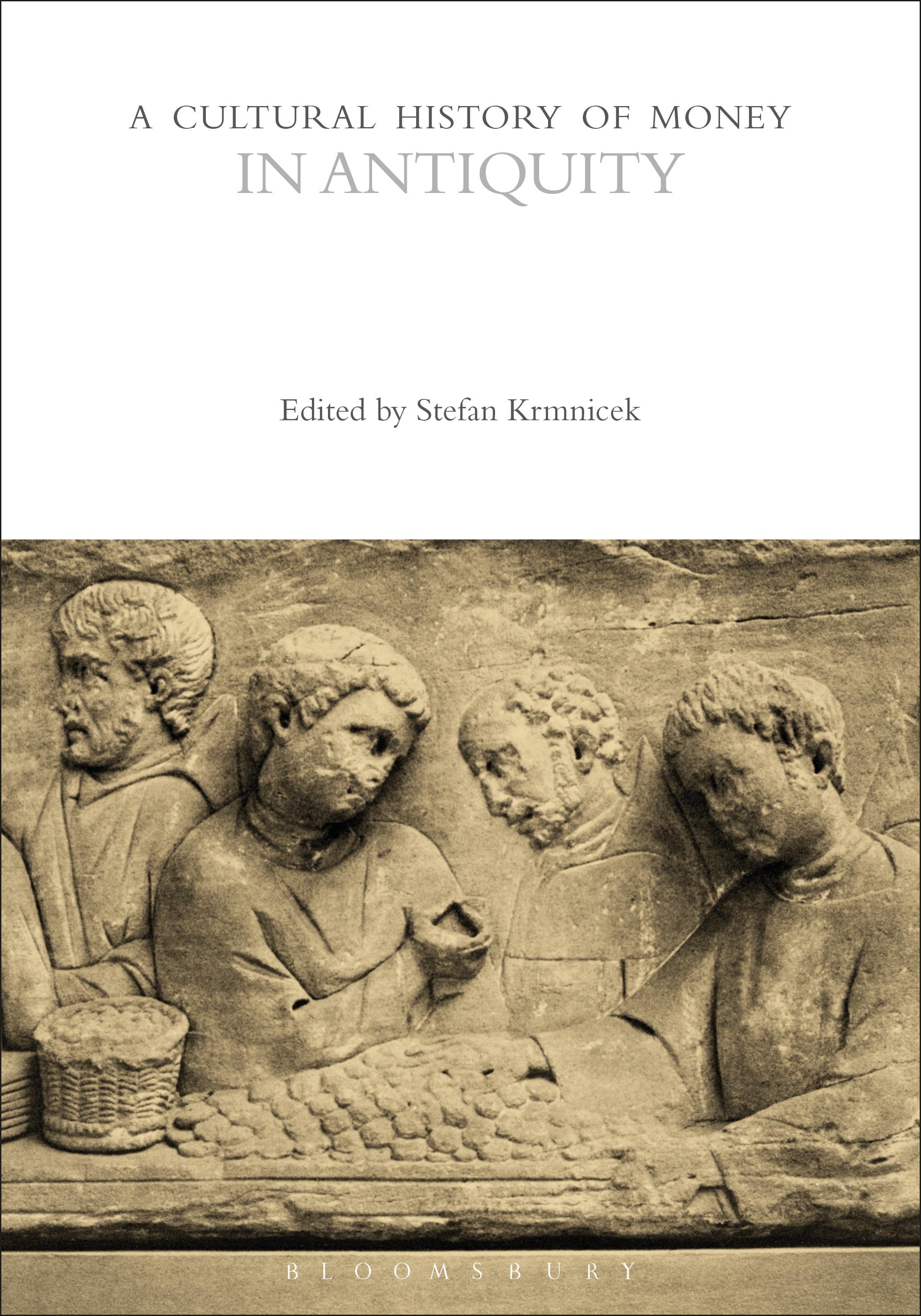
The origins of the modern, Western concept of money can be traced back to the earliest electrum coins that were produced in Asia Minor in the seventh century BCE. While other forms of currency (shells, jewelry, silver ingots) were in widespread use long before this, the introduction of coinage aided and accelerated momentous economic, political, and social developments such as long-distance trade, wealth creation (and the social differentiation that followed from that), and the financing of military and political power. Coinage, though adopted inconsistently across different ancient societies, became a significant marker of identity and became embedded in practices of religion and superstition. And this period also witnessed the emergence of the problems of money - inflation, monetary instability, and the breakup of monetary unions - which have surfaced repeatedly in succeeding centuries.
Drawing upon a wealth of visual and textual sources, A Cultural History of Money in Antiquity presents essays that examine key cultural case studies of the period on the themes of technologies, ideas, ritual and religion, the everyday, art and representation, interpretation, and the issues of the age.
Drawing upon a wealth of visual and textual sources, A Cultural History of Money in Antiquity presents essays that examine key cultural case studies of the period on the themes of technologies, ideas, ritual and religion, the everyday, art and representation, interpretation, and the issues of the age.
Betala smidigt med kort, Klarna, Apple Pay eller Google Pay. Är du inte nöjd har du alltid 14 dagars ångerrätt. Läs mer i våra villkor. Har du några frågor, mejla oss på hello@memmo.org.
Memmo gör det enklare att plugga – var du än är i världen. Hos oss samlar du kursböcker och smarta studieverktyg på ett och samma ställe: sammanfattningar, quiz, poddar och flashcards. Och så Ted, din studiekompis som svarar på allt du undrar. Över 50 000 studenter pluggar redan här – byggt för att du ska lära dig snabbare och stressa mindre.