
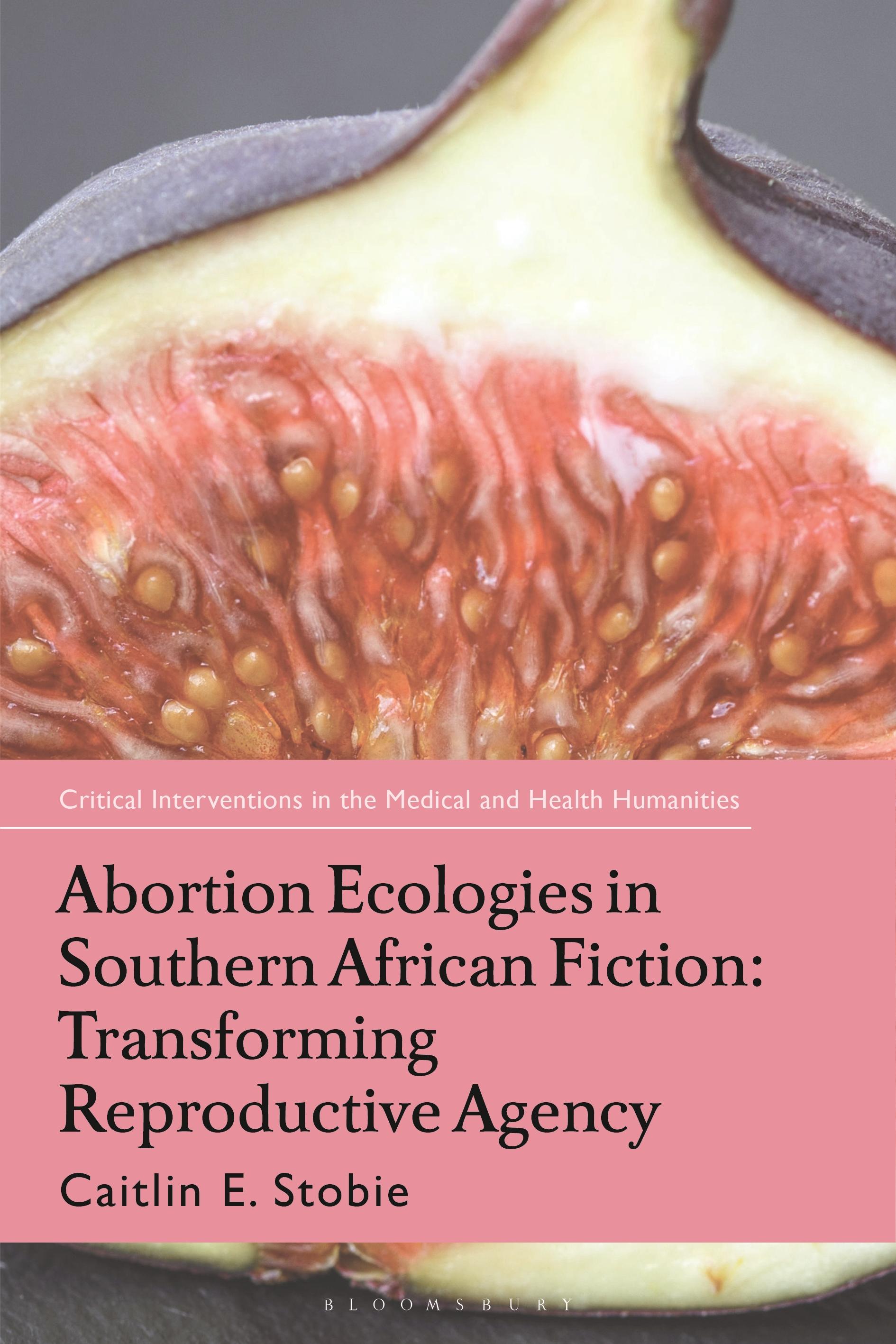
Focusing on texts from the late 1970s to the 1990s which document both changing attitudes to terminations of pregnancy and dramatic environmental, medical, and socio-political developments during southern Africa's liberation struggles, this book examines how four writers from Botswana, South Africa, and Zimbabwe address the ethics of abortion and reproductive choice.
Viewing recent fiction through the lens of new materialist theory – which challenges conventional, individual-based notions of human rights by asserting that all matter holds agency – this book argues that southern African women writers anticipate and exceed current feminist revivals of materialist thought. Not only do the authors question contemporary discourse framing abortion as either a confirmation of a woman's 'right to choose' or an unethical termination of human life, but they challenge conventional understandings of development, growth, and time.
Through close readings of both literal gestation in the selected texts and the metaphorical reproduction of the post/colonial nation, this study advances the concept of reproductive agency, creating a range of queer ecocritical alternatives to tropes such as those of 'the Mother Country', 'Mother Africa', or 'the birth of a nation'. This study situates abortion narratives by Wilma Stockenström (translated by J. M. Coetzee), Zoë Wicomb, Yvonne Vera, and Bessie Head alongside contemporary postcolonial feminist theories, melding traditional beliefs with materialist views to reconsider the future of reproductive health matters in southern Africa. Merging queer ecocritical perspectives from materialism and postcolonialism, this study will appeal to students and researchers in the medical humanities, new materialisms, and postcolonial studies.
Viewing recent fiction through the lens of new materialist theory – which challenges conventional, individual-based notions of human rights by asserting that all matter holds agency – this book argues that southern African women writers anticipate and exceed current feminist revivals of materialist thought. Not only do the authors question contemporary discourse framing abortion as either a confirmation of a woman's 'right to choose' or an unethical termination of human life, but they challenge conventional understandings of development, growth, and time.
Through close readings of both literal gestation in the selected texts and the metaphorical reproduction of the post/colonial nation, this study advances the concept of reproductive agency, creating a range of queer ecocritical alternatives to tropes such as those of 'the Mother Country', 'Mother Africa', or 'the birth of a nation'. This study situates abortion narratives by Wilma Stockenström (translated by J. M. Coetzee), Zoë Wicomb, Yvonne Vera, and Bessie Head alongside contemporary postcolonial feminist theories, melding traditional beliefs with materialist views to reconsider the future of reproductive health matters in southern Africa. Merging queer ecocritical perspectives from materialism and postcolonialism, this study will appeal to students and researchers in the medical humanities, new materialisms, and postcolonial studies.
Sidor: 224
Kategori: Kultur-, Genus- & Postkoloniala studier
e-ISBN: 9781350250208
Fraktvikt: 1.2 kg
Skickas inom: 1-2 dagar
Betala smidigt med kort, Klarna, Apple Pay eller Google Pay. Är du inte nöjd har du alltid 14 dagars ångerrätt. Läs mer i våra villkor. Har du några frågor, mejla oss på hello@memmo.org.
Memmo gör det enklare att plugga – var du än är i världen. Hos oss samlar du kursböcker och smarta studieverktyg på ett och samma ställe: sammanfattningar, quiz, poddar och flashcards. Och så Ted, din studiekompis som svarar på allt du undrar. Över 50 000 studenter pluggar redan här – byggt för att du ska lära dig snabbare och stressa mindre.