
Shortlisted for the Alice Davis Hitchcock Medallion 2023
Shortlisted for the Colvin Prize 2023
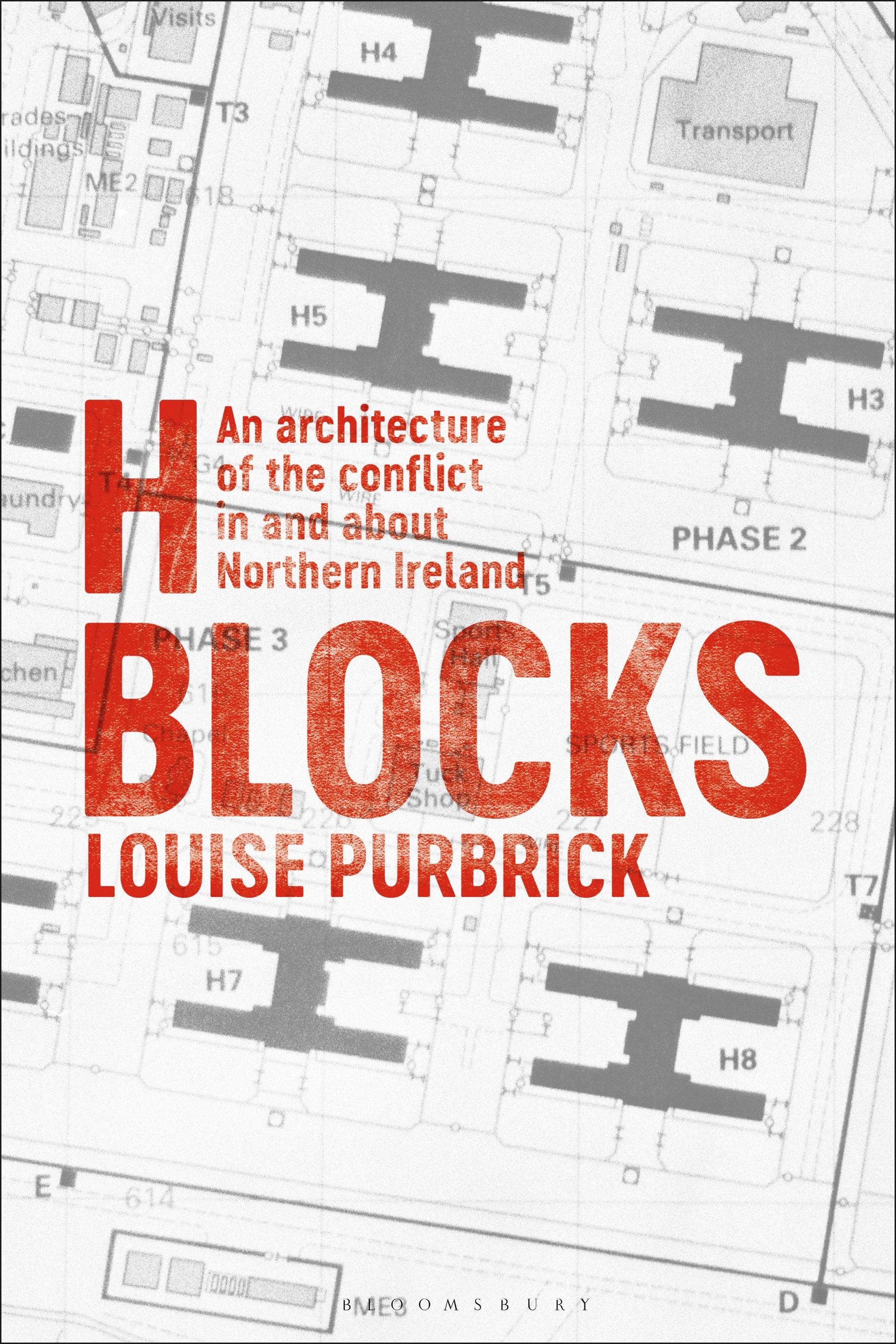
A place of incarceration and liberation, political debate and historical denial, the H Block cell units of Long Kesh/Maze prison in Northern Ireland housed members of both Republican and Loyalist military groups during 'The Troubles' and are now considered 'icons' of that conflict. The H Block's dual status as an articulation of and resistance against power mean that the area is still one of the most contested sites of conflict in Europe.
Based on a long-standing site-specific investigation, and drawing on a range of sources from architectural plans to photographs of street protests, H Blocks explores the material relationship between the prison as a built articulation of power and its inhabitants, highlighting the ethical and political roles that architecture can play in situations of conflict. It also addresses the afterlife of such sites after the end of conflict and how they can adapt to the changing cultural meanings of their space.
The book demonstrates how the conflicted histories of the prison are configured in its design and destruction, and the inhabitation and attempted preservation of the site itself, revealing how its architecture is bound up with questions of power and resistance, embodiment and attachment, witnessing and remembering, the materiality of history and its commodification.
Shortlisted for the Colvin Prize 2023
A place of incarceration and liberation, political debate and historical denial, the H Block cell units of Long Kesh/Maze prison in Northern Ireland housed members of both Republican and Loyalist military groups during 'The Troubles' and are now considered 'icons' of that conflict. The H Block's dual status as an articulation of and resistance against power mean that the area is still one of the most contested sites of conflict in Europe.
Based on a long-standing site-specific investigation, and drawing on a range of sources from architectural plans to photographs of street protests, H Blocks explores the material relationship between the prison as a built articulation of power and its inhabitants, highlighting the ethical and political roles that architecture can play in situations of conflict. It also addresses the afterlife of such sites after the end of conflict and how they can adapt to the changing cultural meanings of their space.
The book demonstrates how the conflicted histories of the prison are configured in its design and destruction, and the inhabitation and attempted preservation of the site itself, revealing how its architecture is bound up with questions of power and resistance, embodiment and attachment, witnessing and remembering, the materiality of history and its commodification.
Betala smidigt med kort, Klarna, Apple Pay eller Google Pay. Är du inte nöjd har du alltid 14 dagars ångerrätt. Läs mer i våra villkor. Har du några frågor, mejla oss på hello@memmo.org.
Memmo gör det enklare att plugga – var du än är i världen. Hos oss samlar du kursböcker och smarta studieverktyg på ett och samma ställe: sammanfattningar, quiz, poddar och flashcards. Och så Ted, din studiekompis som svarar på allt du undrar. Över 50 000 studenter pluggar redan här – byggt för att du ska lära dig snabbare och stressa mindre.