
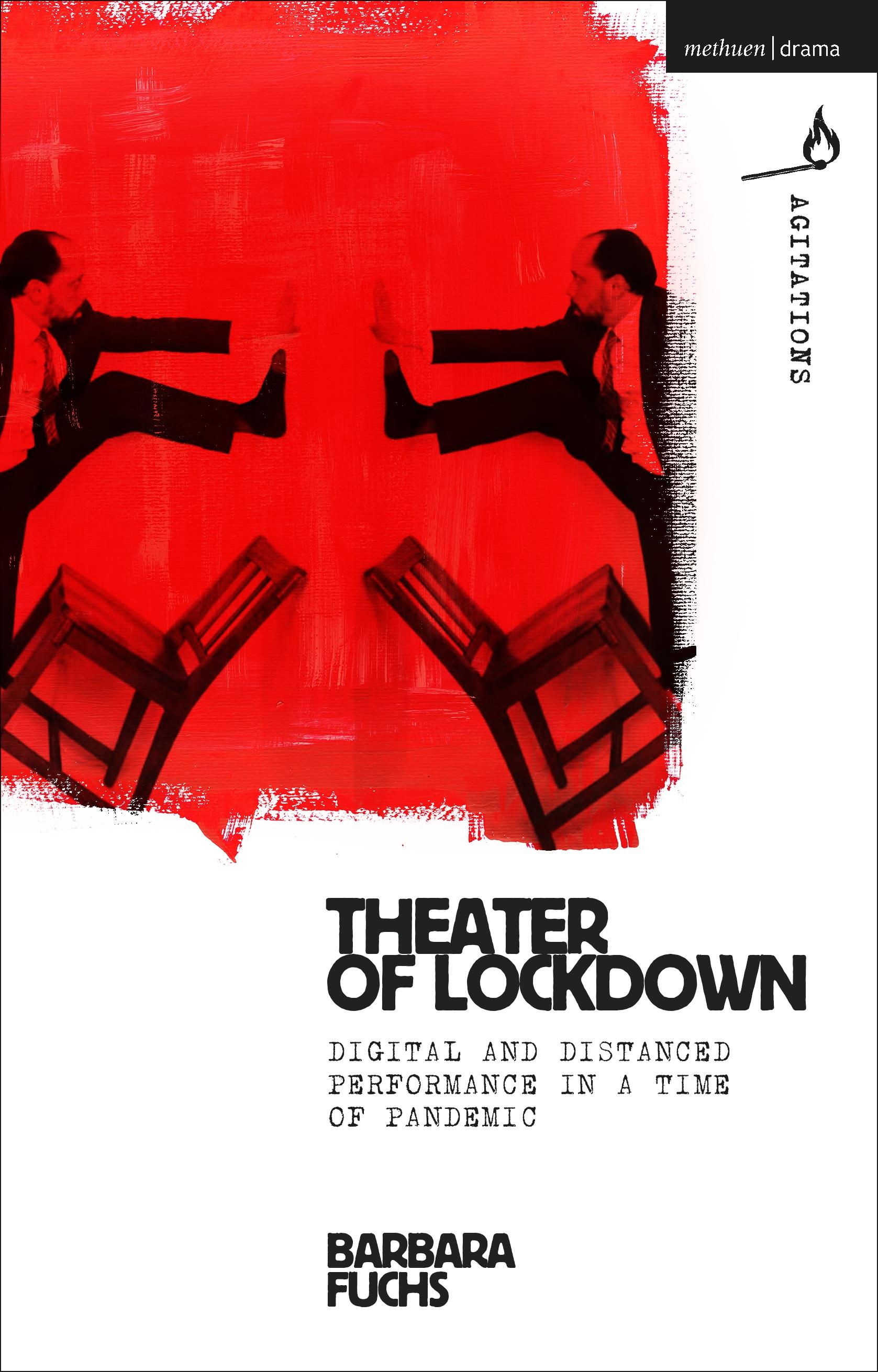
Offering one of the first scholarly examinations of digital and distanced performance since the global shutdown of theaters in March 2020, Barbara Fuchs provides both a record of the changes and a framework for thinking through theater's transformation.
Though born of necessity, recent productions offer a new world of practice, from multi-platform plays on Zoom, WhatsApp, and Instagram, to enhancement via filters and augmented reality, to urban distanced theater that enlivens streetscapes and building courtyards. Based largely outside the commercial theater, these productions transcend geographic and financial barriers to access new audiences, while offering a lifeline to artists. This study charts how virtual theater puts pressure on existing assumptions and definitions, transforming the conditions of both theater-making and viewership. How are participatory, site-specific, or devised theater altered under physical-distancing requirements? How do digital productions blur the line between film and theater? What does liveness mean in a time of pandemic?
In its seven chapters, Theater of Lockdown focuses on digital and distanced productions from the Americas, Europe, and Australia, offering scholarly analysis and interviews. Productions examined include Theater in Quarantine's “closet work” in New York; Forced Entertainment's (Sheffield, UK), End Meeting for All, I, II, and III; the work of Madrid-based company Grumelot; and the virtuosic showmanship of EFE Tres in Mexico City.
Though born of necessity, recent productions offer a new world of practice, from multi-platform plays on Zoom, WhatsApp, and Instagram, to enhancement via filters and augmented reality, to urban distanced theater that enlivens streetscapes and building courtyards. Based largely outside the commercial theater, these productions transcend geographic and financial barriers to access new audiences, while offering a lifeline to artists. This study charts how virtual theater puts pressure on existing assumptions and definitions, transforming the conditions of both theater-making and viewership. How are participatory, site-specific, or devised theater altered under physical-distancing requirements? How do digital productions blur the line between film and theater? What does liveness mean in a time of pandemic?
In its seven chapters, Theater of Lockdown focuses on digital and distanced productions from the Americas, Europe, and Australia, offering scholarly analysis and interviews. Productions examined include Theater in Quarantine's “closet work” in New York; Forced Entertainment's (Sheffield, UK), End Meeting for All, I, II, and III; the work of Madrid-based company Grumelot; and the virtuosic showmanship of EFE Tres in Mexico City.
Betala smidigt med kort, Klarna, Apple Pay eller Google Pay. Är du inte nöjd har du alltid 14 dagars ångerrätt. Läs mer i våra villkor. Har du några frågor, mejla oss på hello@memmo.org.
Memmo gör det enklare att plugga – var du än är i världen. Hos oss samlar du kursböcker och smarta studieverktyg på ett och samma ställe: sammanfattningar, quiz, poddar och flashcards. Och så Ted, din studiekompis som svarar på allt du undrar. Över 50 000 studenter pluggar redan här – byggt för att du ska lära dig snabbare och stressa mindre.