
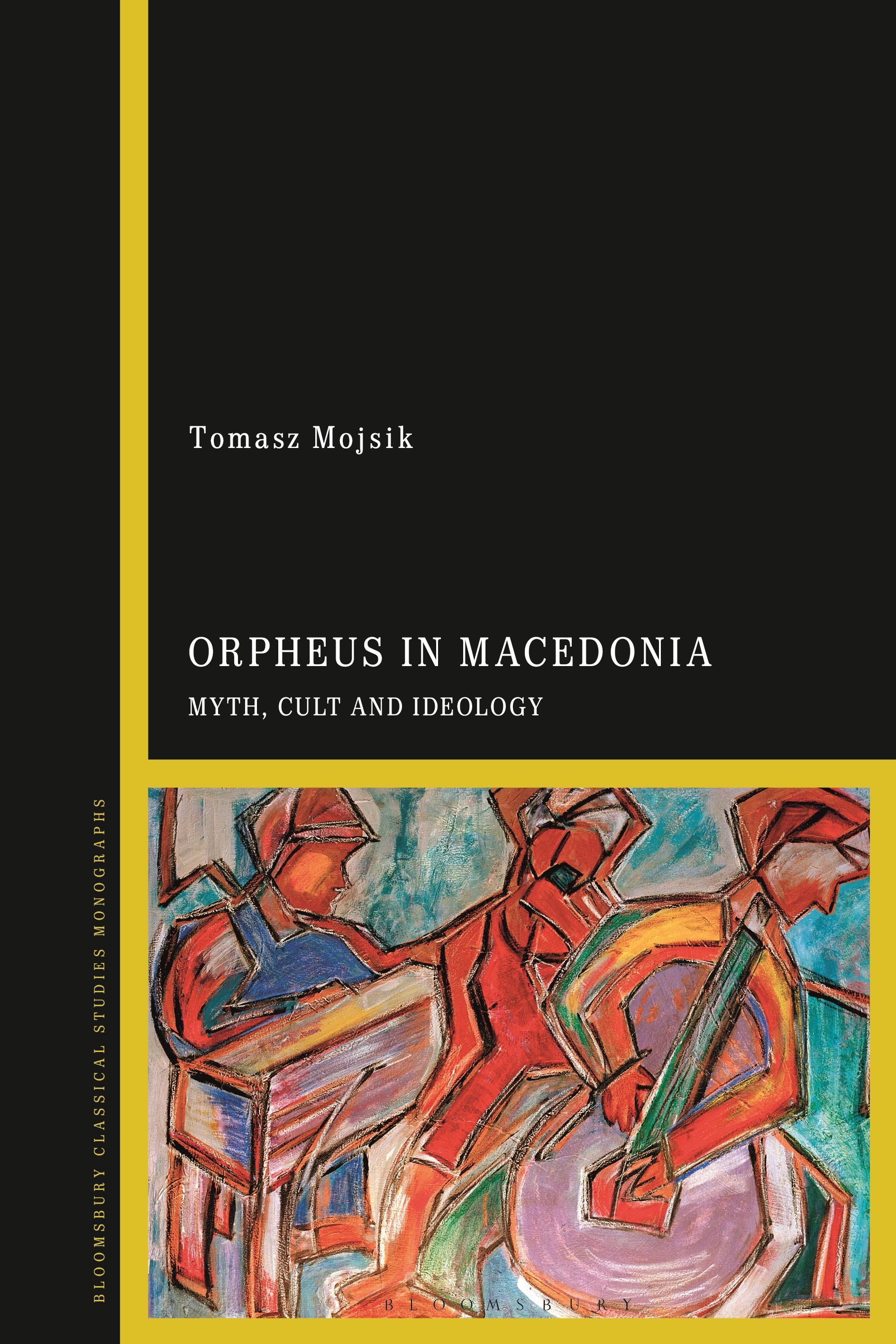
The mythological hero Orpheus occupied a central role in ancient Greek culture, but 'the son of Oeagrus' and 'Thracian musician' venerated by the Greeks has also become a prominent figure in a long tradition of classical reception of Greek myth. This book challenges our entrenched idea of Orpheus and demonstrates that in the Classical and Hellenistic periods depictions of his identity and image were not as unequivocal as we tend to believe today.
Concentrating on Orpheus' ethnicity and geographical references in ancient sources, Tomasz Mojsik traces the development of, and changes in, the mythological image of the hero in Antiquity and sheds new light on contemporary constructions of cultural identity by locating the various versions of the mythical story within their socio-political contexts. Examination of the early literary sources prompts a reconsideration of the tradition which locates the tomb of the hero in Macedonian Pieria, and the volume argues for the emergence of this tradition as a reaction to the allegation of the barbarity and civilizational backwardness of the Macedonians throughout the wider Greek world. These assertions have important implications for Archelaus' Hellenizing policy and his commonly acknowledged sponsorship of the arts, which included his incorporating of the Muses into the cult of Zeus at the Olympia in Dium.
Concentrating on Orpheus' ethnicity and geographical references in ancient sources, Tomasz Mojsik traces the development of, and changes in, the mythological image of the hero in Antiquity and sheds new light on contemporary constructions of cultural identity by locating the various versions of the mythical story within their socio-political contexts. Examination of the early literary sources prompts a reconsideration of the tradition which locates the tomb of the hero in Macedonian Pieria, and the volume argues for the emergence of this tradition as a reaction to the allegation of the barbarity and civilizational backwardness of the Macedonians throughout the wider Greek world. These assertions have important implications for Archelaus' Hellenizing policy and his commonly acknowledged sponsorship of the arts, which included his incorporating of the Muses into the cult of Zeus at the Olympia in Dium.
Betala smidigt med kort, Klarna, Apple Pay eller Google Pay. Är du inte nöjd har du alltid 14 dagars ångerrätt. Läs mer i våra villkor. Har du några frågor, mejla oss på hello@memmo.org.
Memmo gör det enklare att plugga – var du än är i världen. Hos oss samlar du kursböcker och smarta studieverktyg på ett och samma ställe: sammanfattningar, quiz, poddar och flashcards. Och så Ted, din studiekompis som svarar på allt du undrar. Över 50 000 studenter pluggar redan här – byggt för att du ska lära dig snabbare och stressa mindre.