
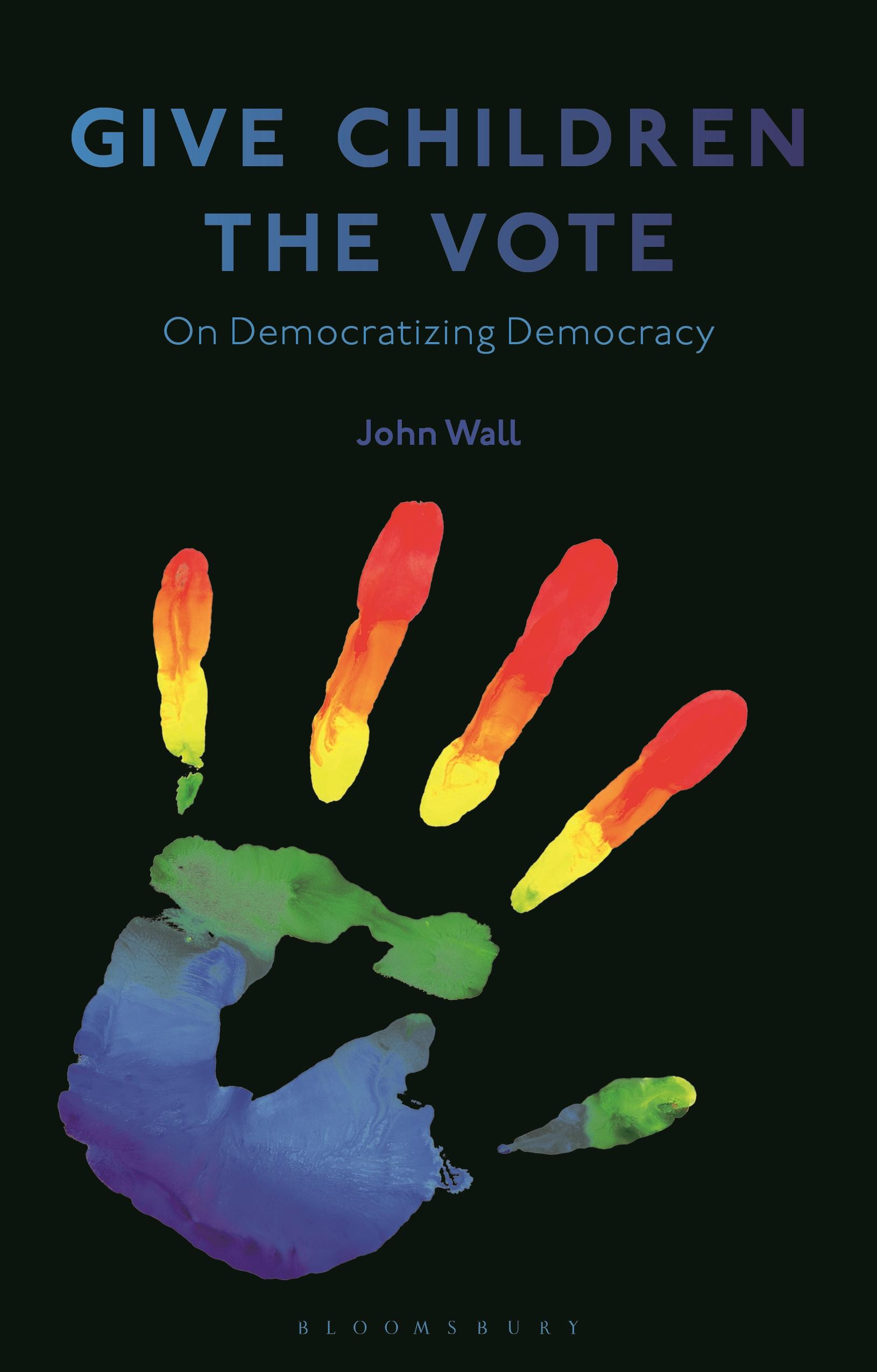
Throughout history, the right to vote has been extended to landowning men, the poor, minorities, women, and young adults. In each case, the meaning of democracy itself has been transformed. The one major group still denied suffrage is the third of humanity who are under 18 years of age. However, children are becoming increasingly active in political movements for climate regulation, labor rights, gun control, transexual identity, and racial justice. And these have led to a growing global movement to eliminate minimum ages of enfranchisement.
This book argues that it is time to give children the vote. Using political theory and drawing on childhood studies, it shows why suffrage cannot legitimately be limited according to age, as well as why truly universal voting is beneficial to all and can help save today's crumbling democratic norms. It carefully responds to a wide range of objections concerning competence, knowledge, adult rights, power relations, harms to children, and much more. And it develops a detailed childist theory of voting based on holding elected representatives maximally responsive to the people's different lived experiences. The book also introduces the concept of proxy-claim voting, wherein parents or guardians exercise proxy votes for non-competent persons, both child and adult, until whatever time those persons wish to claim or reclaim the exercise of their vote for themselves. Ultimately, the book maps out a new vision of democratic voting that, by equally empowering children, is at last genuinely democratic.
This book argues that it is time to give children the vote. Using political theory and drawing on childhood studies, it shows why suffrage cannot legitimately be limited according to age, as well as why truly universal voting is beneficial to all and can help save today's crumbling democratic norms. It carefully responds to a wide range of objections concerning competence, knowledge, adult rights, power relations, harms to children, and much more. And it develops a detailed childist theory of voting based on holding elected representatives maximally responsive to the people's different lived experiences. The book also introduces the concept of proxy-claim voting, wherein parents or guardians exercise proxy votes for non-competent persons, both child and adult, until whatever time those persons wish to claim or reclaim the exercise of their vote for themselves. Ultimately, the book maps out a new vision of democratic voting that, by equally empowering children, is at last genuinely democratic.
Betala smidigt med kort, Klarna, Apple Pay eller Google Pay. Är du inte nöjd har du alltid 14 dagars ångerrätt. Läs mer i våra villkor. Har du några frågor, mejla oss på hello@memmo.org.
Memmo gör det enklare att plugga – var du än är i världen. Hos oss samlar du kursböcker och smarta studieverktyg på ett och samma ställe: sammanfattningar, quiz, poddar och flashcards. Och så Ted, din studiekompis som svarar på allt du undrar. Över 50 000 studenter pluggar redan här – byggt för att du ska lära dig snabbare och stressa mindre.