
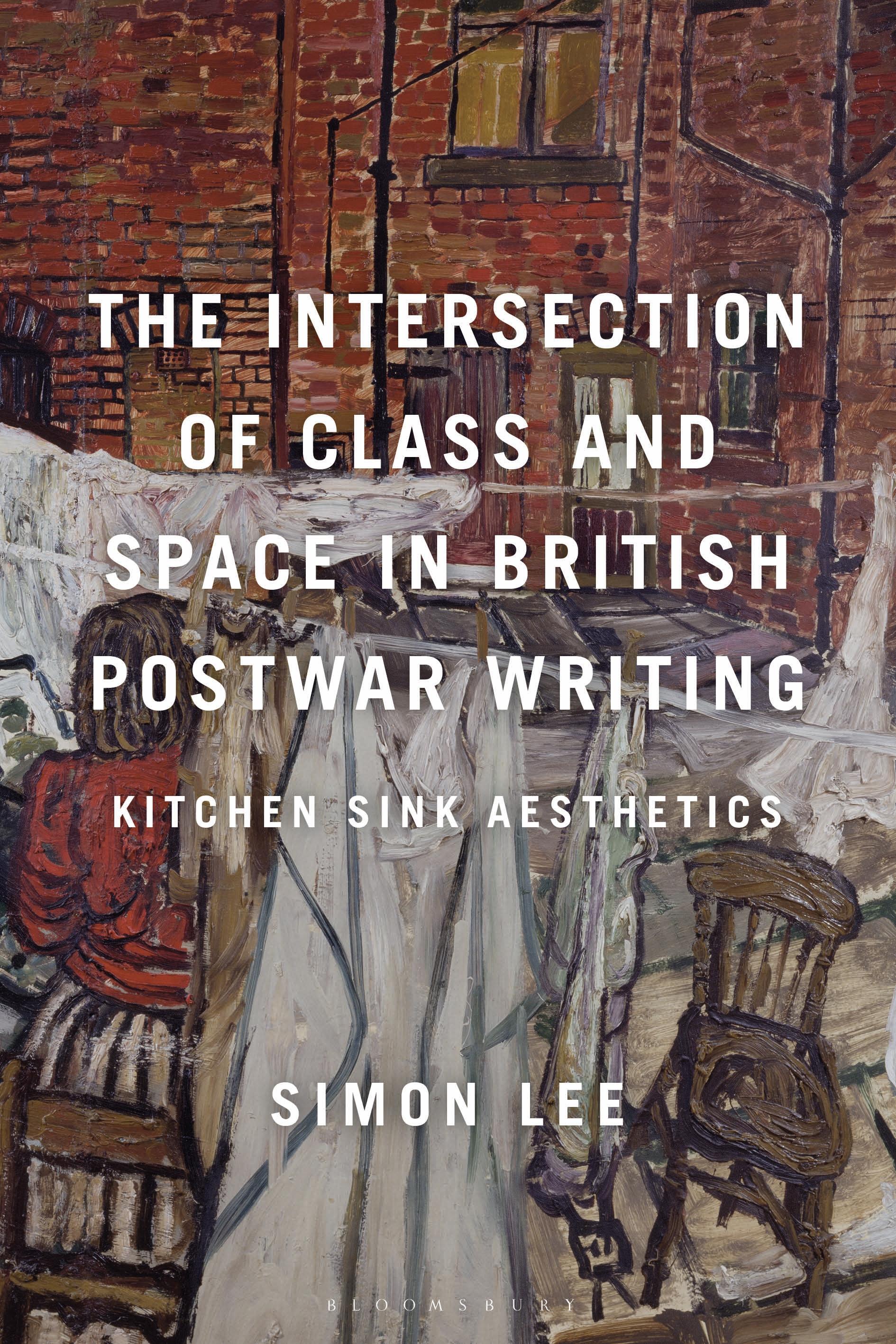
Centering on the British kitchen sink realism movement of the late 1950s and early 1960s, specifically its documentation of the built environment's influence on class consciousness, this book highlights the settings of a variety of novels, plays, and films, turning to archival research to offer new ways of thinking about how spatial representation in cultural production sustains or intervenes in the process of social stratification.
As a movement that used gritty, documentary-style depictions of space to highlight the complexities of working-class life, the period's texts chronicled shifts in the social and topographic landscape while advancing new articulations of citizenship in response to the failures of post-war reconstruction. By exploring the impact of space on class, this book addresses the contention that critical discourse has overlooked the way the built environment informs class identity.
As a movement that used gritty, documentary-style depictions of space to highlight the complexities of working-class life, the period's texts chronicled shifts in the social and topographic landscape while advancing new articulations of citizenship in response to the failures of post-war reconstruction. By exploring the impact of space on class, this book addresses the contention that critical discourse has overlooked the way the built environment informs class identity.
Betala smidigt med kort, Klarna, Apple Pay eller Google Pay. Är du inte nöjd har du alltid 14 dagars ångerrätt. Läs mer i våra villkor. Har du några frågor, mejla oss på hello@memmo.org.
Memmo gör det enklare att plugga – var du än är i världen. Hos oss samlar du kursböcker och smarta studieverktyg på ett och samma ställe: sammanfattningar, quiz, poddar och flashcards. Och så Ted, din studiekompis som svarar på allt du undrar. Över 50 000 studenter pluggar redan här – byggt för att du ska lära dig snabbare och stressa mindre.