
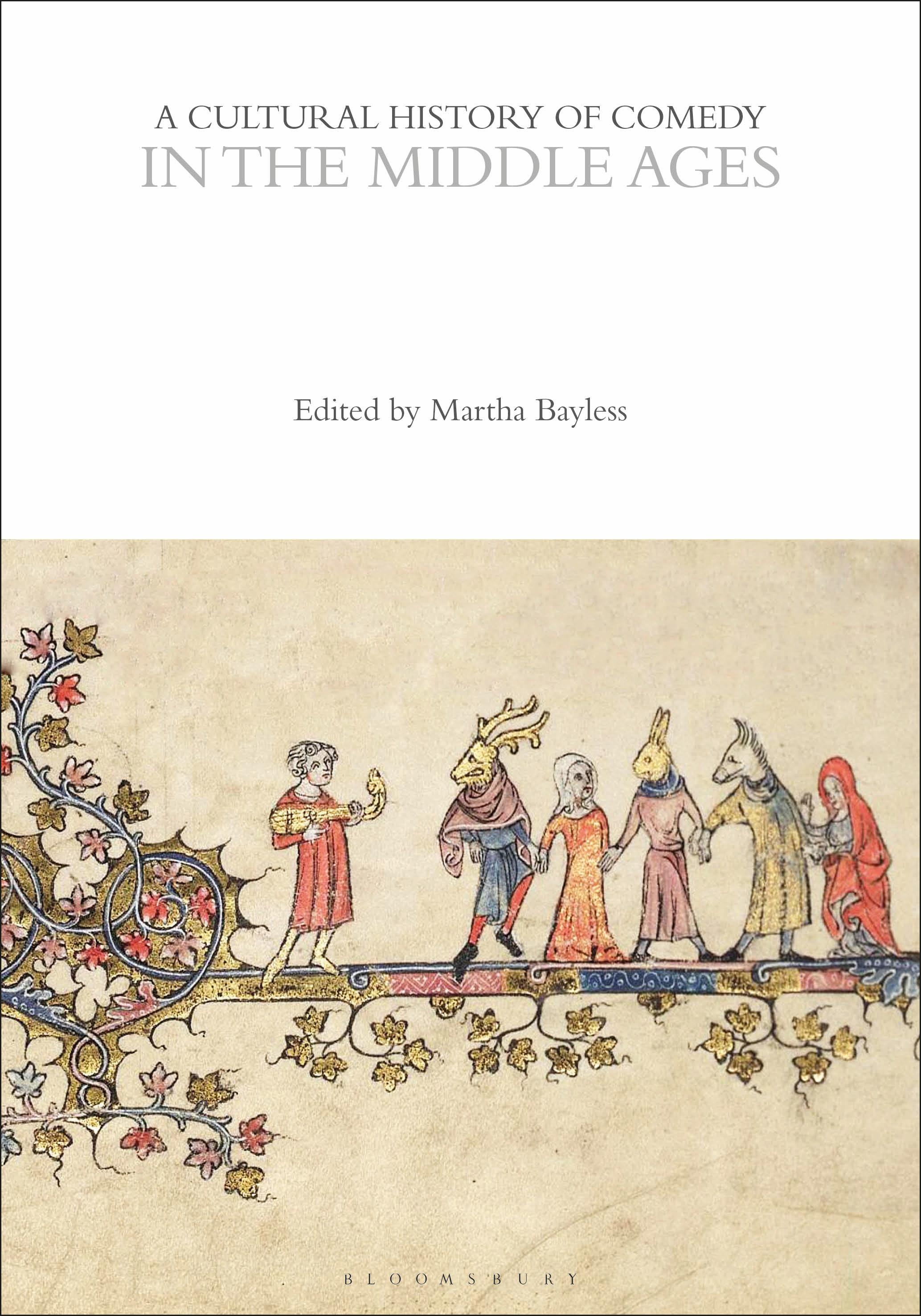
Comedy and humor flourished in manifold forms in the Middle Ages. This volume, covering the period from 1000 to 1400 CE, examines the themes, practice, and effects of medieval comedy, from the caustic morality of principled satire to the exuberant improprieties of many wildly popular tales of sex and trickery. The analysis includes the most influential authors of the age, such as Chaucer, Boccaccio, Juan Ruiz, and Hrothswitha of Gandersheim, as well as lesser-known works and genres, such as songs of insult, nonsense-texts, satirical church paintings, topical jokes, and obscene pilgrim badges. The analysis touches on most of the literatures of medieval Europe, including a discussion of the formal attitudes toward humor in Christian, Jewish, and Islamic traditions. The volume demonstrates the many ways in which medieval humor could be playful, casual, sophisticated, important, subversive, and even dangerous.
Each chapter takes a different theme as its focus: form, theory, praxis, identities, the body, politics and power, laughter, and ethics.
Each chapter takes a different theme as its focus: form, theory, praxis, identities, the body, politics and power, laughter, and ethics.
Betala smidigt med kort, Klarna, Apple Pay eller Google Pay. Är du inte nöjd har du alltid 14 dagars ångerrätt. Läs mer i våra villkor. Har du några frågor, mejla oss på hello@memmo.org.
Memmo gör det enklare att plugga – var du än är i världen. Hos oss samlar du kursböcker och smarta studieverktyg på ett och samma ställe: sammanfattningar, quiz, poddar och flashcards. Och så Ted, din studiekompis som svarar på allt du undrar. Över 50 000 studenter pluggar redan här – byggt för att du ska lära dig snabbare och stressa mindre.