
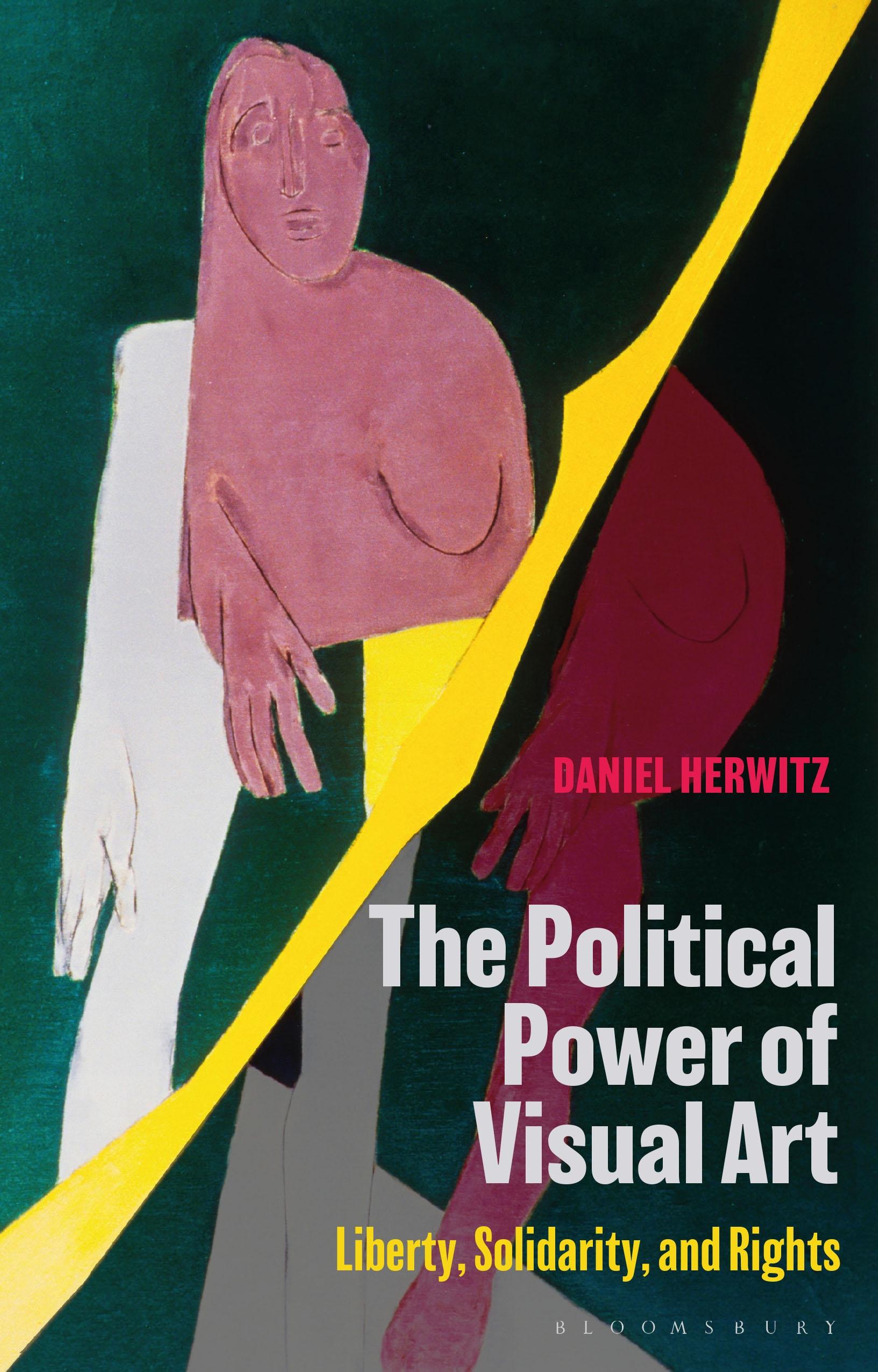
Visual art has a ubiquitous political cast today. But which politics? Daniel Herwitz seeks clarity on the various things meant by politics, and how we can evaluate their presumptions or aspirations in contemporary art.
Drawing on the work of William Kentridge, drenched in violence, race, and power, and the artworld immolations of Banksy, Herwitz's examples range from the NEA 4 and the question of offense-as-dissent, to the community driven work of George Gittoes, the identity politics of contemporary American art and (for contrast with the power of visual media) literature written in dialogue with truth commissions. He is interested in understanding art practices today in the light of two opposing inheritances: the avant-gardes and their politicization of the experimental art object, and 18th-century aesthetics, preaching the autonomy of the art object, which he interprets as the cultural compliment to modern liberalism. His historically-informed approach reveals how crucial this pair of legacies is to reading the tensions in voice and character of art today.
Driven by questions about the capacity of the visual medium to speak politically or acquire political agency, this book is for anyone working in aesthetics or the art world concerned with the fate of cultural politics in a world spinning out of control, yet within reach of emancipation.
Drawing on the work of William Kentridge, drenched in violence, race, and power, and the artworld immolations of Banksy, Herwitz's examples range from the NEA 4 and the question of offense-as-dissent, to the community driven work of George Gittoes, the identity politics of contemporary American art and (for contrast with the power of visual media) literature written in dialogue with truth commissions. He is interested in understanding art practices today in the light of two opposing inheritances: the avant-gardes and their politicization of the experimental art object, and 18th-century aesthetics, preaching the autonomy of the art object, which he interprets as the cultural compliment to modern liberalism. His historically-informed approach reveals how crucial this pair of legacies is to reading the tensions in voice and character of art today.
Driven by questions about the capacity of the visual medium to speak politically or acquire political agency, this book is for anyone working in aesthetics or the art world concerned with the fate of cultural politics in a world spinning out of control, yet within reach of emancipation.
Betala smidigt med kort, Klarna, Apple Pay eller Google Pay. Är du inte nöjd har du alltid 14 dagars ångerrätt. Läs mer i våra villkor. Har du några frågor, mejla oss på hello@memmo.org.
Memmo gör det enklare att plugga – var du än är i världen. Hos oss samlar du kursböcker och smarta studieverktyg på ett och samma ställe: sammanfattningar, quiz, poddar och flashcards. Och så Ted, din studiekompis som svarar på allt du undrar. Över 50 000 studenter pluggar redan här – byggt för att du ska lära dig snabbare och stressa mindre.