
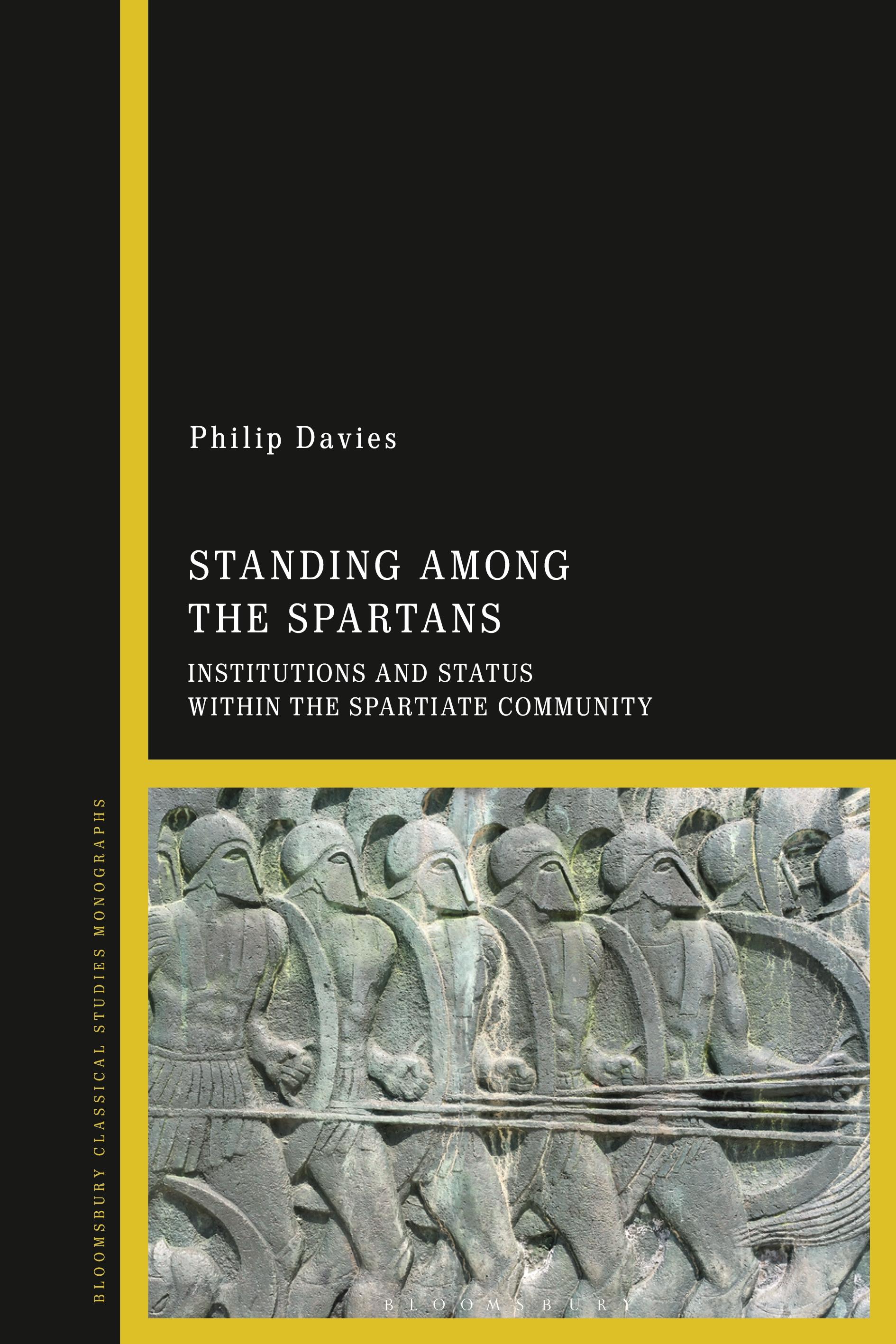
Conformity, uniformity, institutionality, exceptionality – each of these terms encapsulates an aspect of the common perception of Sparta, both among scholars and in the popular imagination.
This volume seeks to interrogate how rightly we may apply these terms to the Spartan citizen community in the classical period (approximately 500-350 BC) and reveals a much greater level of differentiation within this social group than is often assumed.
Drawing upon recent scholarship on Sparta, theoretical and methodological discussions from within the wider fields of classical studies and ancient history, and approaches to status and institutions developed in the social sciences, Philip John Victor Davies examines the diverse factors which influenced the standing of individuals within the Spartiate community and assesses how great a role institutions played in determining a Spartiate's standing and to what extent Sparta was, as ancient accounts would suggest, significantly more institutionalized than other Greek societies. Placing Sparta in the context of the renewed interest in institutions and their social significance represented across multiple disciplines by the 'New Institutionalist turn', he presents a more dynamic understanding of the internal life of the Spartiate community, with a nuanced appreciation of the dimensions and limits of Sparta's exceptionality.
This volume seeks to interrogate how rightly we may apply these terms to the Spartan citizen community in the classical period (approximately 500-350 BC) and reveals a much greater level of differentiation within this social group than is often assumed.
Drawing upon recent scholarship on Sparta, theoretical and methodological discussions from within the wider fields of classical studies and ancient history, and approaches to status and institutions developed in the social sciences, Philip John Victor Davies examines the diverse factors which influenced the standing of individuals within the Spartiate community and assesses how great a role institutions played in determining a Spartiate's standing and to what extent Sparta was, as ancient accounts would suggest, significantly more institutionalized than other Greek societies. Placing Sparta in the context of the renewed interest in institutions and their social significance represented across multiple disciplines by the 'New Institutionalist turn', he presents a more dynamic understanding of the internal life of the Spartiate community, with a nuanced appreciation of the dimensions and limits of Sparta's exceptionality.
Betala smidigt med kort, Klarna, Apple Pay eller Google Pay. Är du inte nöjd har du alltid 14 dagars ångerrätt. Läs mer i våra villkor. Har du några frågor, mejla oss på hello@memmo.org.
Memmo gör det enklare att plugga – var du än är i världen. Hos oss samlar du kursböcker och smarta studieverktyg på ett och samma ställe: sammanfattningar, quiz, poddar och flashcards. Och så Ted, din studiekompis som svarar på allt du undrar. Över 50 000 studenter pluggar redan här – byggt för att du ska lära dig snabbare och stressa mindre.