
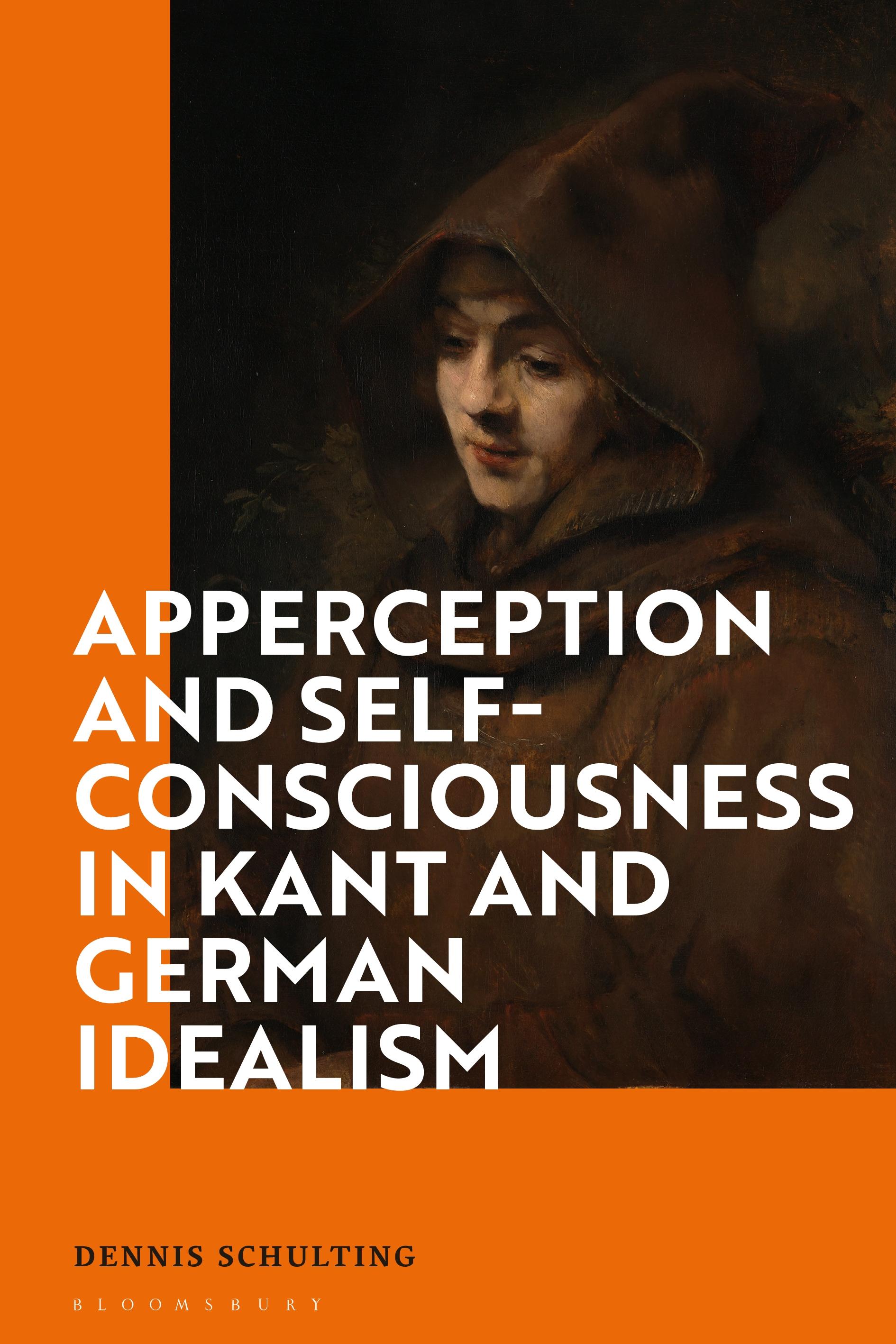
In Apperception and Self-Consciousness in Kant and German Idealism, Dennis Schulting examines the themes of reflexivity, self-consciousness, representation and apperception in the philosophy of Immanuel Kant and German Idealism more widely. Central to Schulting's argument is the claim that all human experience is inherently self-referential and that this is part of a self-reflexivity of thought, or what is called transcendental apperception, a Kantian insight that was first apparent in the work of Christian Wolff and came to inform all of German Idealism.
In this rigorous text, Schulting establishes the historical roots of Kant's thought and traces it through to his immediate successors, Karl Leonhard Reinhold, Johann Gottlieb Fichte and Georg Wilhelm Friedrich Hegel. He specifically examines the cognitive role of selfconsciousness and its relation to idealism and situates it in a clear and coherent history of rationalist philosophy.
In this rigorous text, Schulting establishes the historical roots of Kant's thought and traces it through to his immediate successors, Karl Leonhard Reinhold, Johann Gottlieb Fichte and Georg Wilhelm Friedrich Hegel. He specifically examines the cognitive role of selfconsciousness and its relation to idealism and situates it in a clear and coherent history of rationalist philosophy.
Betala smidigt med kort, Klarna, Apple Pay eller Google Pay. Är du inte nöjd har du alltid 14 dagars ångerrätt. Läs mer i våra villkor. Har du några frågor, mejla oss på hello@memmo.org.
Memmo gör det enklare att plugga – var du än är i världen. Hos oss samlar du kursböcker och smarta studieverktyg på ett och samma ställe: sammanfattningar, quiz, poddar och flashcards. Och så Ted, din studiekompis som svarar på allt du undrar. Över 50 000 studenter pluggar redan här – byggt för att du ska lära dig snabbare och stressa mindre.