
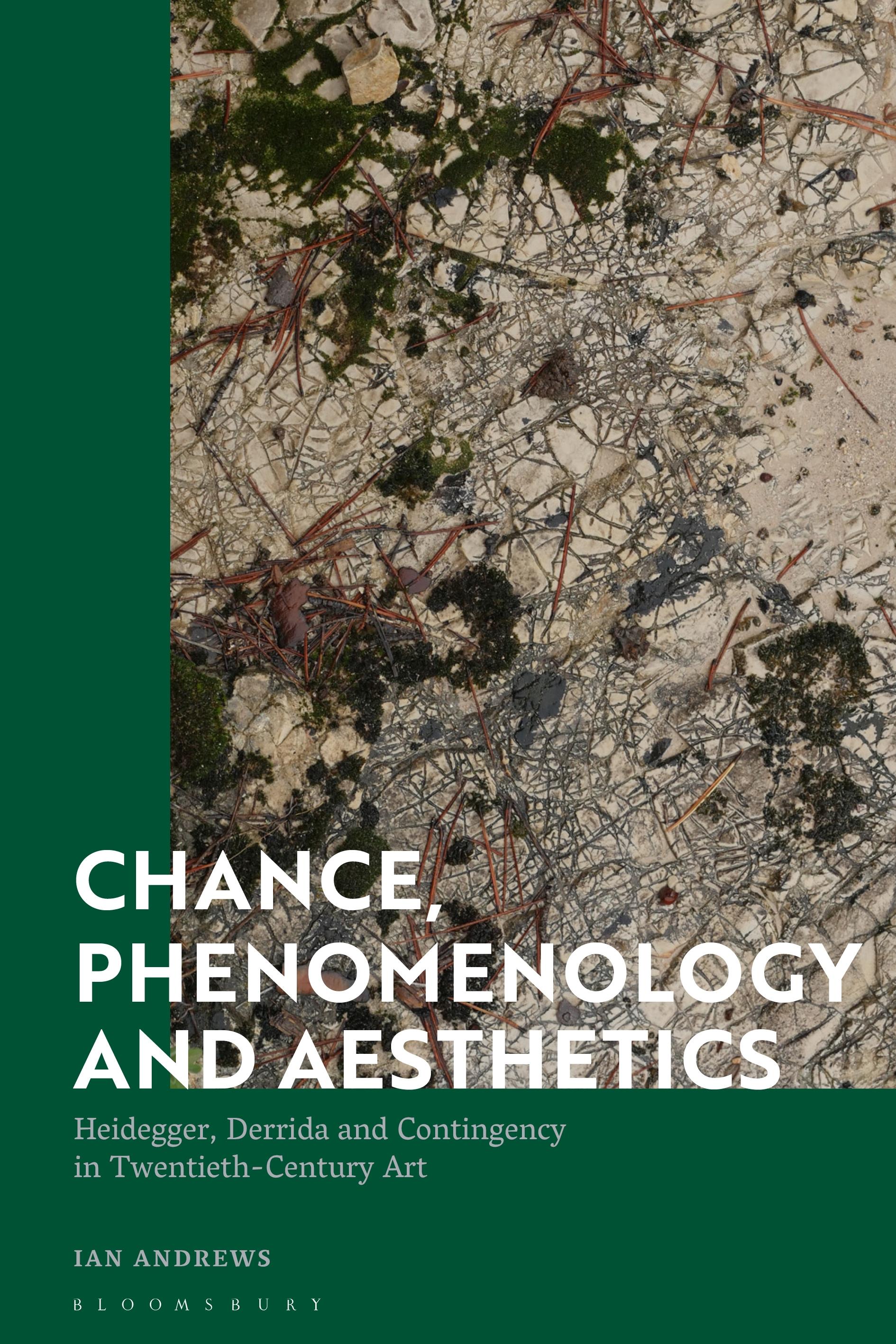
In drawing upon the work of Jacques Derrida, Edmund Husserl and Martin Heidegger and aligning it with a new trend in interdisciplinary phenomenology, Ian Andrews provides a unique look at the role of chance in art and its philosophical implications. His account of how the composer John Cage and other avant-garde creatives such as Marcel Duchamp, Tristan Tzara, Sol LeWitt and Ed Ruscha used chance in their work to question the structures of experience and prompt a new engagement with these phenomena makes a truly important contribution to Continental philosophy.
Chance, Phenomenology and Aesthetics will appeal to scholars and advanced students in the disciplines of phenomenology, deconstruction and hermeneutics, as well as being compelling reading for anyone interested in pursuing sound studies, art theory and art history through an interdisciplinary post-phenomenological lens.
Chance, Phenomenology and Aesthetics will appeal to scholars and advanced students in the disciplines of phenomenology, deconstruction and hermeneutics, as well as being compelling reading for anyone interested in pursuing sound studies, art theory and art history through an interdisciplinary post-phenomenological lens.
Betala smidigt med kort, Klarna, Apple Pay eller Google Pay. Är du inte nöjd har du alltid 14 dagars ångerrätt. Läs mer i våra villkor. Har du några frågor, mejla oss på hello@memmo.org.
Memmo gör det enklare att plugga – var du än är i världen. Hos oss samlar du kursböcker och smarta studieverktyg på ett och samma ställe: sammanfattningar, quiz, poddar och flashcards. Och så Ted, din studiekompis som svarar på allt du undrar. Över 50 000 studenter pluggar redan här – byggt för att du ska lära dig snabbare och stressa mindre.