
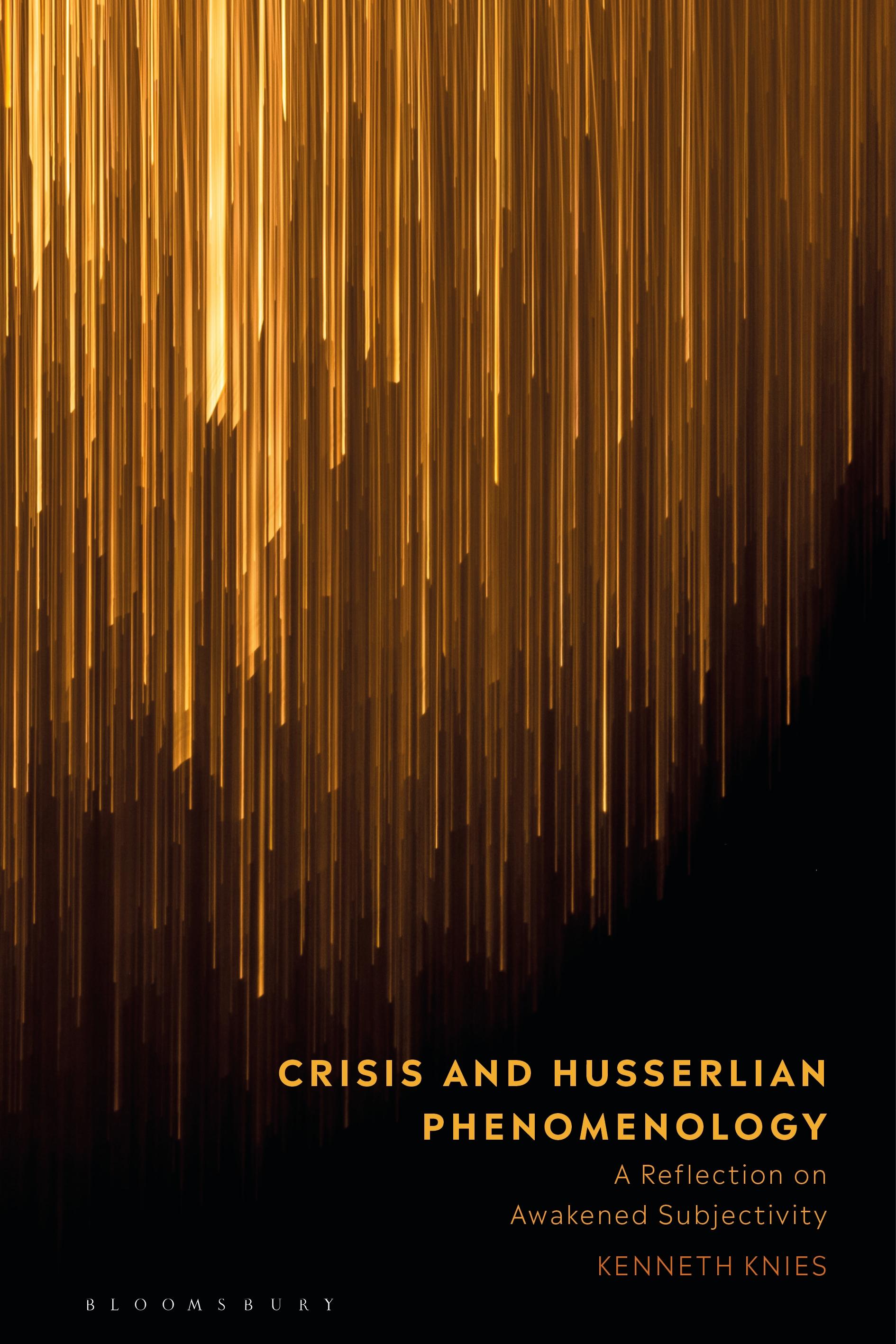
Shedding new light on the theme of "crisis" in Husserl's phenomenology, this book reflects on the experience of awakening to one's own naïveté. Beginning from everyday examples, Knies examines how this awakening makes us culpable for not having noticed what was noticeable. He goes on to apply this examination to fundamental issues in phenomenology, arguing that the appropriation of naïve life has a different structure from the reflection on pre-reflective life. Husserl's work on the "crisis" is presented as an attempt to integrate this appropriation into a systematic transcendental philosophy.
Crisis and Husserlian Phenomenology brings Husserl into dialogue with other key thinkers in Continental philosophy such as Descartes, Kant, Heidegger, Merleau-Ponty and Derrida. It is suitable for students and scholars alike, especially those interested in subjectivity, responsibility and the philosophy of history.
Crisis and Husserlian Phenomenology brings Husserl into dialogue with other key thinkers in Continental philosophy such as Descartes, Kant, Heidegger, Merleau-Ponty and Derrida. It is suitable for students and scholars alike, especially those interested in subjectivity, responsibility and the philosophy of history.
Betala smidigt med kort, Klarna, Apple Pay eller Google Pay. Är du inte nöjd har du alltid 14 dagars ångerrätt. Läs mer i våra villkor. Har du några frågor, mejla oss på hello@memmo.org.
Memmo gör det enklare att plugga – var du än är i världen. Hos oss samlar du kursböcker och smarta studieverktyg på ett och samma ställe: sammanfattningar, quiz, poddar och flashcards. Och så Ted, din studiekompis som svarar på allt du undrar. Över 50 000 studenter pluggar redan här – byggt för att du ska lära dig snabbare och stressa mindre.