
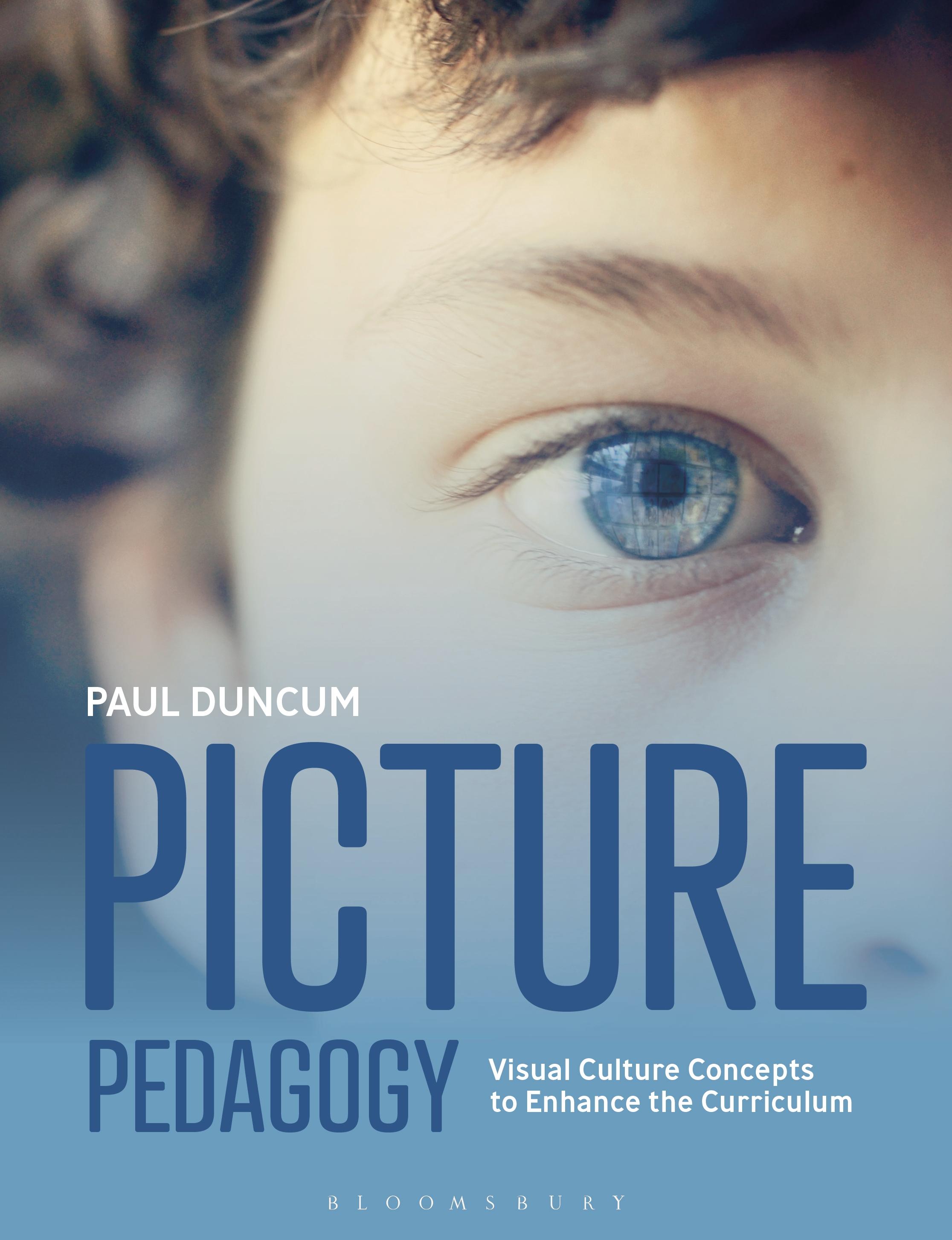
Contemporary societies are saturated with pictures. They are globally a part of everyday life, and they are seductive, offering values and beliefs in such highly pleasurable forms that it is often difficult to resist their power to persuade. Yet interpreting pictures is largely neglected in schools. Picture Pedagogy addresses this head on, showing that pictures can be used as a powerful form of classroom pedagogy. Duncum explores key concepts and curriculum examples to empower you to support students to develop a critical consciousness about pictures, whether teaching art, media, language or social studies. Drawing on the interpretive concepts of representation, rhetoric, ideology, aesthetic pleasure, intertextuality and the gaze, Duncum shows how you can develop your students' skills so that their power as viewers can match the power of pictures to seduce. Examples from the history of fine art and contemporary popular mass media, including Big Data and fake news, are drawn together and shown to be appealing to the same aesthetic pleasures. Often these pleasures are benign, but also problematic, helping to promote morally questionable ideas about a range of topics including gender, race and sexual orientation, and this is explored fully.
Betala smidigt med kort, Klarna, Apple Pay eller Google Pay. Är du inte nöjd har du alltid 14 dagars ångerrätt. Läs mer i våra villkor. Har du några frågor, mejla oss på hello@memmo.org.
Memmo gör det enklare att plugga – var du än är i världen. Hos oss samlar du kursböcker och smarta studieverktyg på ett och samma ställe: sammanfattningar, quiz, poddar och flashcards. Och så Ted, din studiekompis som svarar på allt du undrar. Över 50 000 studenter pluggar redan här – byggt för att du ska lära dig snabbare och stressa mindre.