
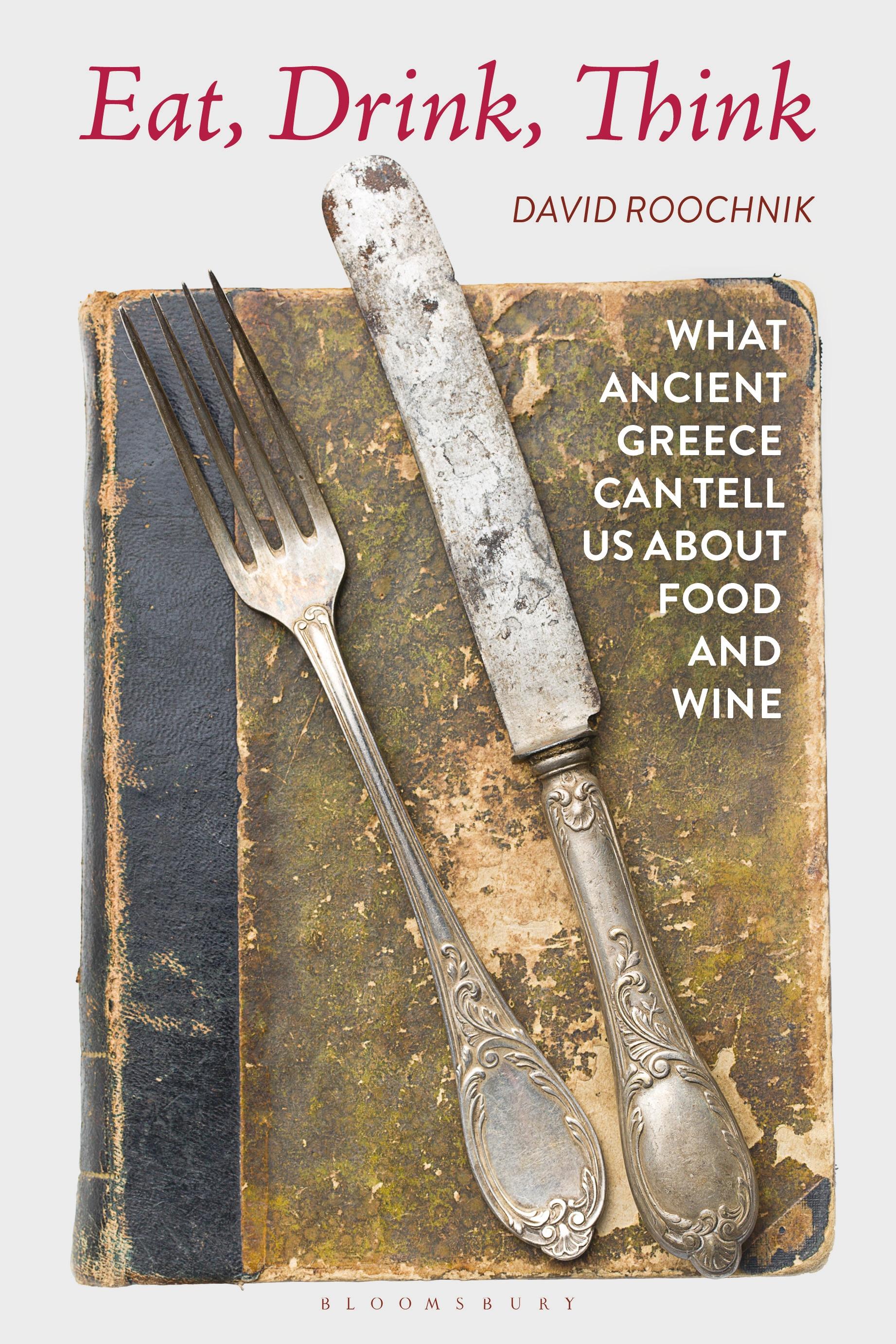
What role does food play in the shaping of humanity? Is sharing a good meal with friends and family an experience of life at its best, or is food merely a burdensome necessity? David Roochnik explores these questions by discussing classical works of Greek literature and philosophy in which food and drink play an important role.
With thoughts on Homer's The Odyssey, Euripides' Bacchae, Plato's philosopher kings and Dionysian intoxication, Roochnik shows how foregrounding food in philosophy can open up new ways of understanding these thinkers and their approaches to the purpose and meaning of life. The book features philosophical explanation interspersed with reflections from the author on cooking, eating, drinking and sharing meals, making it important reading for students of philosophy, classical studies, and food studies.
With thoughts on Homer's The Odyssey, Euripides' Bacchae, Plato's philosopher kings and Dionysian intoxication, Roochnik shows how foregrounding food in philosophy can open up new ways of understanding these thinkers and their approaches to the purpose and meaning of life. The book features philosophical explanation interspersed with reflections from the author on cooking, eating, drinking and sharing meals, making it important reading for students of philosophy, classical studies, and food studies.
Betala smidigt med kort, Klarna, Apple Pay eller Google Pay. Är du inte nöjd har du alltid 14 dagars ångerrätt. Läs mer i våra villkor. Har du några frågor, mejla oss på hello@memmo.org.
Memmo gör det enklare att plugga – var du än är i världen. Hos oss samlar du kursböcker och smarta studieverktyg på ett och samma ställe: sammanfattningar, quiz, poddar och flashcards. Och så Ted, din studiekompis som svarar på allt du undrar. Över 50 000 studenter pluggar redan här – byggt för att du ska lära dig snabbare och stressa mindre.