
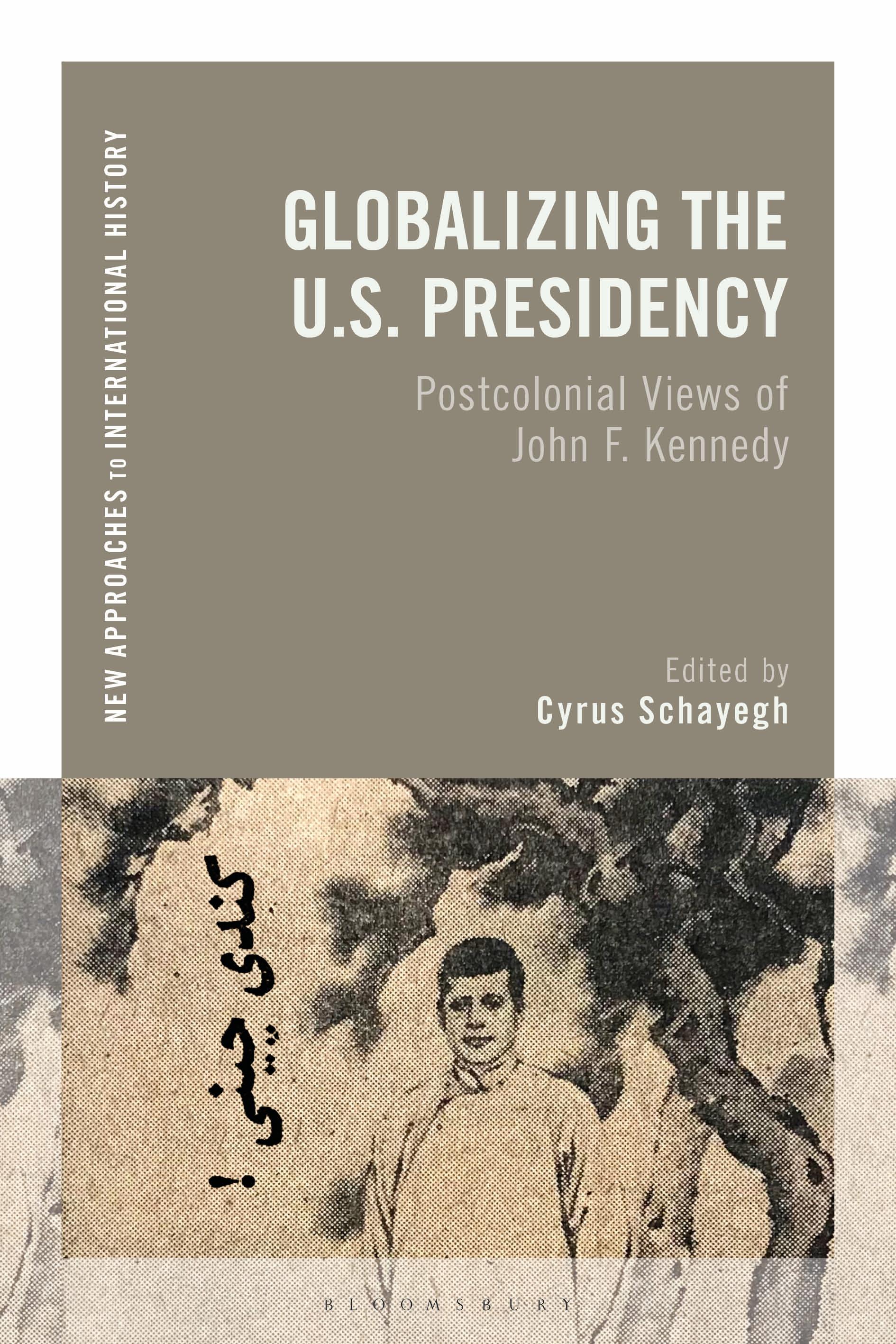
Using John F. Kennedy as a central figure and reference point, this volume explores how postcolonial citizens viewed the US president when peak decolonization met the Cold War. Exploring how their appropriations blended with their own domestic and regional realities, the chapters span sources, cases and languages from Latin America, Africa, Asia and Europe to explore the history of US and third world relations in a way that pushes beyond US-centric themes.
Examining a range of actors, Globalizing the U.S. Presidency studies various political, sociocultural and economic domestic and regional contexts during the Cold War era, and explores themes such as appropriation, antagonism and contestation within decolonisation. Attempting to both de-americanize and globalize John F. Kennedy and the US Presidency, the chapters examine how the perceptions of the president were fed by everyday experiences of national and international postcolonial lives. The many examples of worldwide interest in the US president at this time illustrate that this time was a historical turning point for the role of the US on the global stage. The hopes and fears of peaking decolonization, the resulting pressure on Washington, Moscow and other powers, and a new mediascape together ushered in a more comprehensive globalization of international politics, and a new meaning to 'the United States in the world'.
Examining a range of actors, Globalizing the U.S. Presidency studies various political, sociocultural and economic domestic and regional contexts during the Cold War era, and explores themes such as appropriation, antagonism and contestation within decolonisation. Attempting to both de-americanize and globalize John F. Kennedy and the US Presidency, the chapters examine how the perceptions of the president were fed by everyday experiences of national and international postcolonial lives. The many examples of worldwide interest in the US president at this time illustrate that this time was a historical turning point for the role of the US on the global stage. The hopes and fears of peaking decolonization, the resulting pressure on Washington, Moscow and other powers, and a new mediascape together ushered in a more comprehensive globalization of international politics, and a new meaning to 'the United States in the world'.
Sidor: 304
Kategori: Statsvetenskap & Politik
e-ISBN: 9781350118522
Fraktvikt: 1.2 kg
Skickas inom: 1-2 dagar
Betala smidigt med kort, Klarna, Apple Pay eller Google Pay. Är du inte nöjd har du alltid 14 dagars ångerrätt. Läs mer i våra villkor. Har du några frågor, mejla oss på hello@memmo.org.
Memmo gör det enklare att plugga – var du än är i världen. Hos oss samlar du kursböcker och smarta studieverktyg på ett och samma ställe: sammanfattningar, quiz, poddar och flashcards. Och så Ted, din studiekompis som svarar på allt du undrar. Över 50 000 studenter pluggar redan här – byggt för att du ska lära dig snabbare och stressa mindre.