
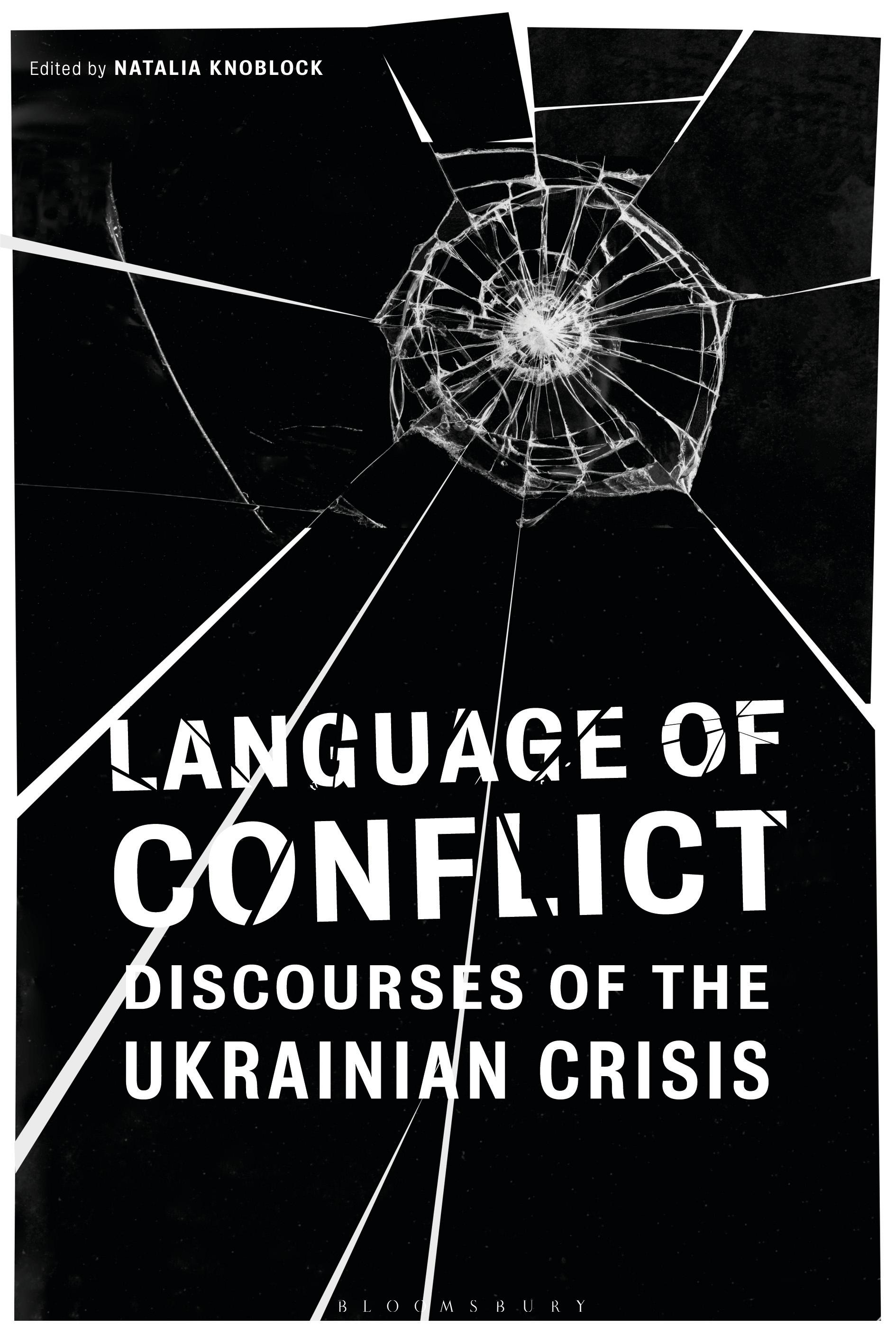
Exploring the ways in which language and conflict are intertwined and interrelated, this volume examines the patterns of public discourse in Ukraine and Russia since the beginning of the Ukrainian Crisis in 2014. It investigates the trends in language aggression, evaluation, persuasion and other elements of conflict communication related to the situation. Through the analysis of the linguistic features of salient discourses and prevalent narratives constructed by different social groups, Language of Conflict reflects competing worldviews of various stakeholders in this conflict and presents multiple, often contradictory, visions of the circumstances.
Contributors from Ukraine, Russia and beyond investigate discursive representations of the most important aspects of the crisis: its causes and goals, participants and the values and ideologies of the opposing factions. They focus on categorization, stance, framing, (de)legitimation, manipulation and coping strategies while analysing the ways in which the stress produced by social discord, economic hardship, and violence shapes public discourse. Primarily focusing on informal communication and material gathered from online sources, the collection provides insight into the ways people directly affected by the crisis think about and respond to it. The volume acknowledges the communicators' active role in constructing the (often incompatible) discursive images of the conflict and concentrates on the conscious and strategic use of linguistic resources in negative and aggressive communication.
Contributors from Ukraine, Russia and beyond investigate discursive representations of the most important aspects of the crisis: its causes and goals, participants and the values and ideologies of the opposing factions. They focus on categorization, stance, framing, (de)legitimation, manipulation and coping strategies while analysing the ways in which the stress produced by social discord, economic hardship, and violence shapes public discourse. Primarily focusing on informal communication and material gathered from online sources, the collection provides insight into the ways people directly affected by the crisis think about and respond to it. The volume acknowledges the communicators' active role in constructing the (often incompatible) discursive images of the conflict and concentrates on the conscious and strategic use of linguistic resources in negative and aggressive communication.
Betala smidigt med kort, Klarna, Apple Pay eller Google Pay. Är du inte nöjd har du alltid 14 dagars ångerrätt. Läs mer i våra villkor. Har du några frågor, mejla oss på hello@memmo.org.
Memmo gör det enklare att plugga – var du än är i världen. Hos oss samlar du kursböcker och smarta studieverktyg på ett och samma ställe: sammanfattningar, quiz, poddar och flashcards. Och så Ted, din studiekompis som svarar på allt du undrar. Över 50 000 studenter pluggar redan här – byggt för att du ska lära dig snabbare och stressa mindre.