
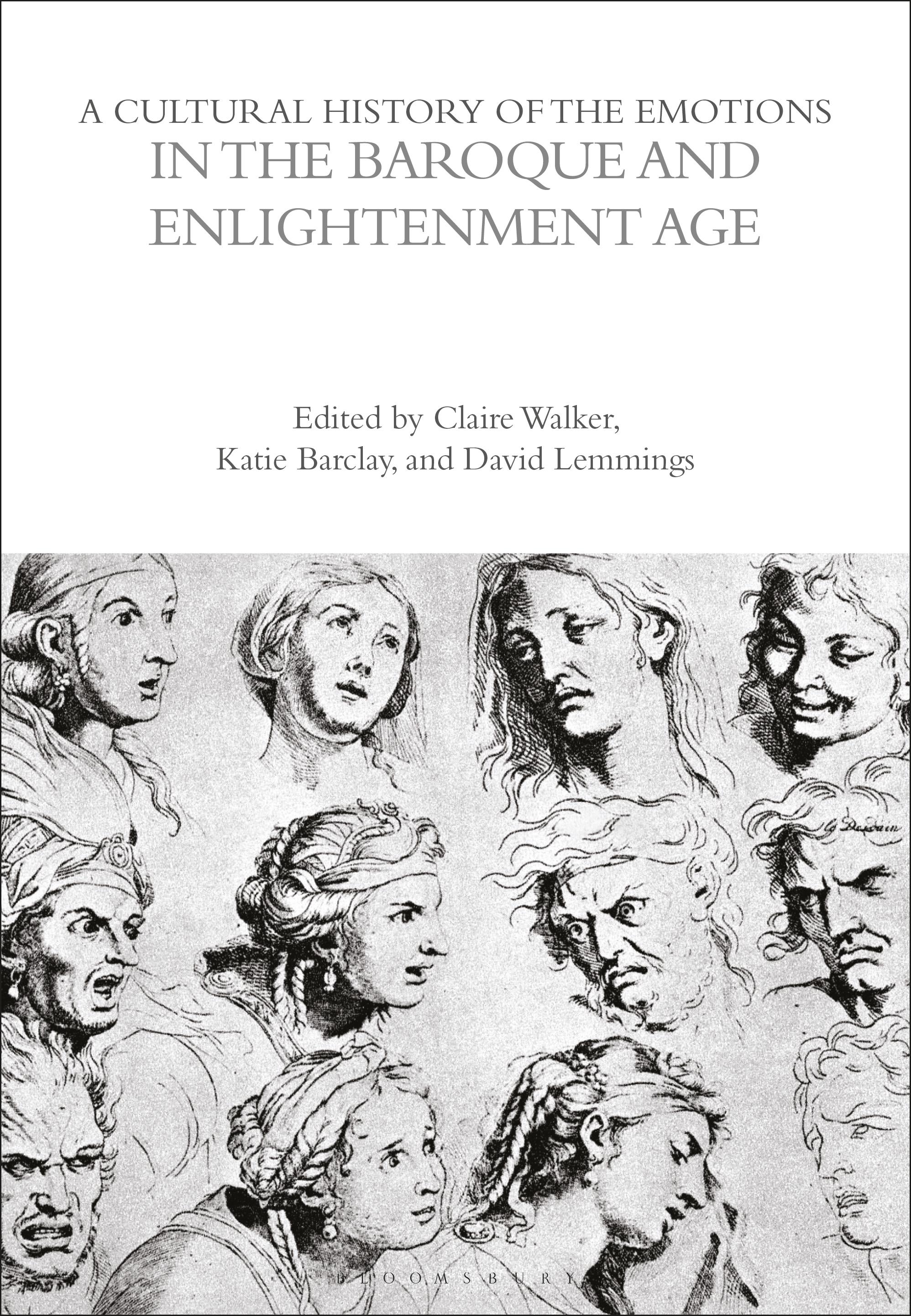
During the period of the Baroque and Enlightenment the word “emotion”, denoting passions and feelings, came into usage, albeit in an irregular fashion. “Emotion” ultimately emerged as a term in its own right, and evolved in English from meaning physical agitation to describe mental feeling. However, the older terminology of “passions” and “affections” continued as the dominant discourse structuring thinking about feeling and its wider religious, political, social, economic, and moral imperatives. The emotional cultures described in these essays enable some comparative discussion about the history of emotions, and particularly the causes and consequences of emotional change in the larger cultural contexts of the Baroque and Enlightenment. Emotions research has enabled a rethinking of dominant narratives of the period-of histories of revolution, state-building, the rise of the public sphere, religious and scientific transformation, and more. As a new and dynamic field, the essays here are just the beginning of a much bigger history of emotions.
Betala smidigt med kort, Klarna, Apple Pay eller Google Pay. Är du inte nöjd har du alltid 14 dagars ångerrätt. Läs mer i våra villkor. Har du några frågor, mejla oss på hello@memmo.org.
Memmo gör det enklare att plugga – var du än är i världen. Hos oss samlar du kursböcker och smarta studieverktyg på ett och samma ställe: sammanfattningar, quiz, poddar och flashcards. Och så Ted, din studiekompis som svarar på allt du undrar. Över 50 000 studenter pluggar redan här – byggt för att du ska lära dig snabbare och stressa mindre.