
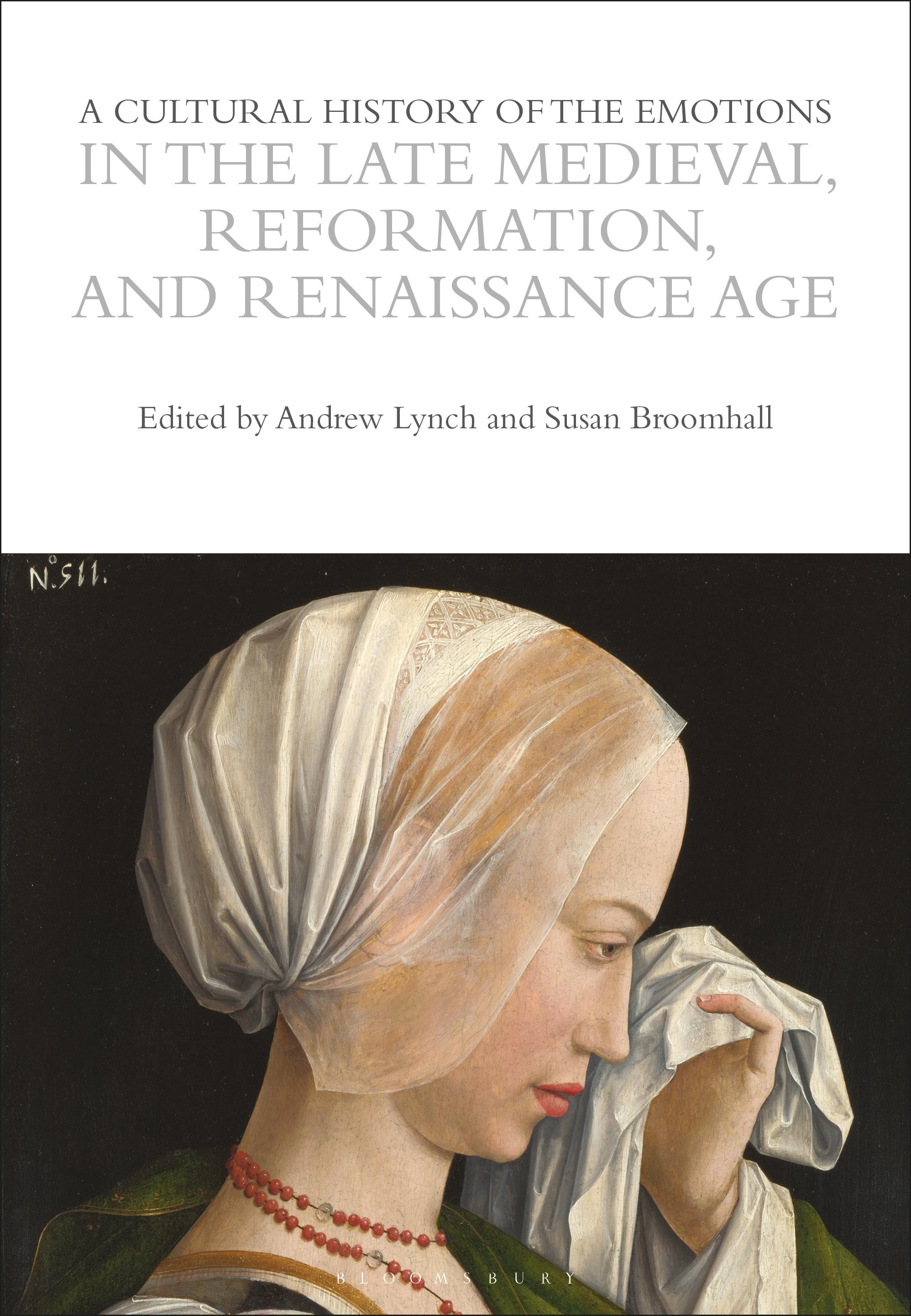
The period 1300-1600 CE was one of intense and far-reaching emotional realignments in European culture. New desires and developments in politics, religion, philosophy, the arts and literature fundamentally changed emotional attitudes to history, creating the sense of a rupture from the immediate past. In this volatile context, cultural products of all kinds offered competing objects of love, hate, hope and fear. Art, music, dance and song provided new models of family affection, interpersonal intimacy, relationship with God, and gender and national identities. The public and private spaces of courts, cities and houses shaped the practices and rituals in which emotional lives were expressed and understood. Scientific and medical discoveries changed emotional relations to the cosmos, the natural world and the body. Both continuing traditions and new sources of cultural authority made emotions central to the concept of human nature, and involved them in every aspect of existence.
Betala smidigt med kort, Klarna, Apple Pay eller Google Pay. Är du inte nöjd har du alltid 14 dagars ångerrätt. Läs mer i våra villkor. Har du några frågor, mejla oss på hello@memmo.org.
Memmo gör det enklare att plugga – var du än är i världen. Hos oss samlar du kursböcker och smarta studieverktyg på ett och samma ställe: sammanfattningar, quiz, poddar och flashcards. Och så Ted, din studiekompis som svarar på allt du undrar. Över 50 000 studenter pluggar redan här – byggt för att du ska lära dig snabbare och stressa mindre.