
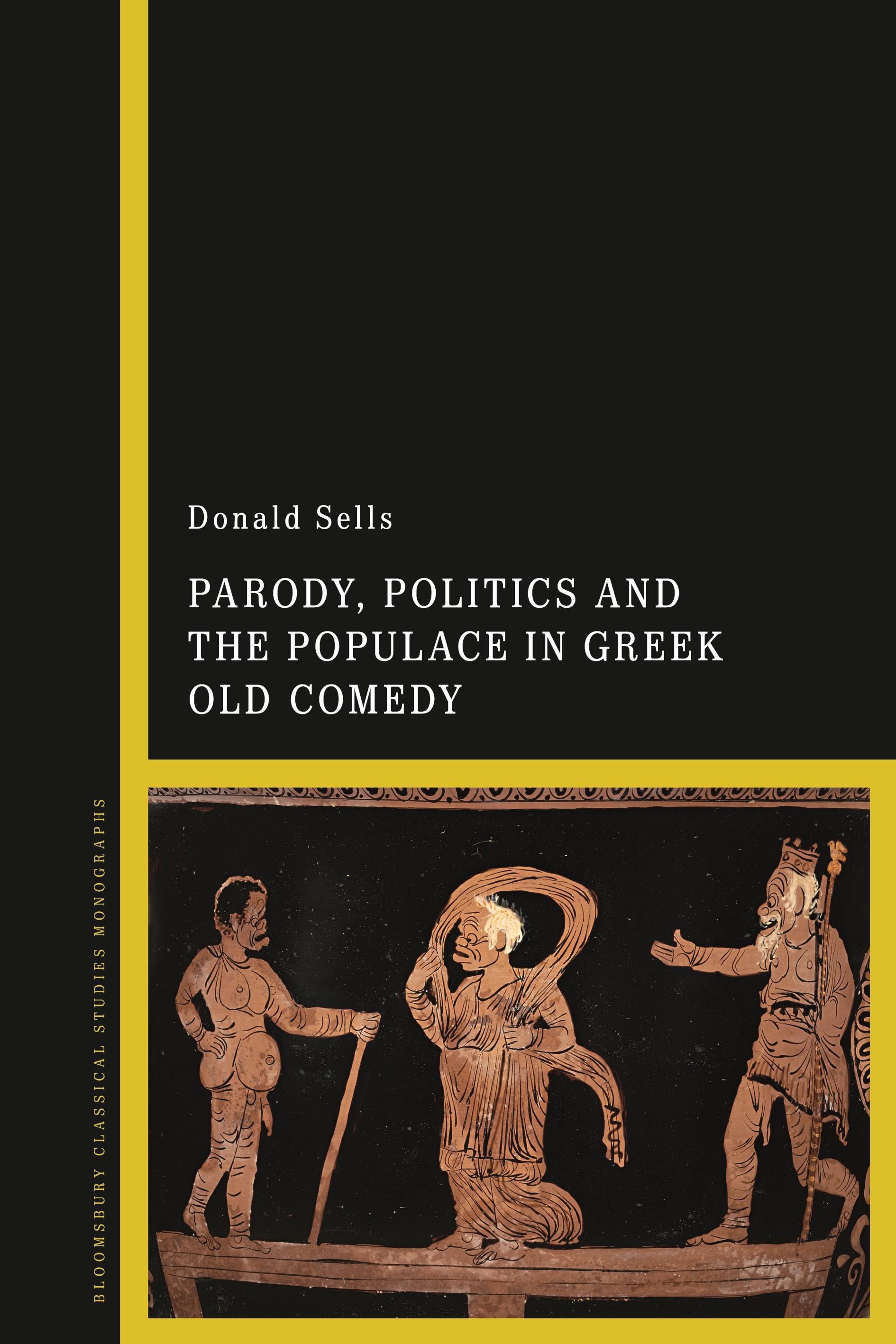
This book argues that Old Comedy's parodic and non-parodic engagement with tragedy, satyr play, and contemporary lyric is geared to enhancing its own status as the preeminent discourse on Athenian art, politics and society. Donald Sells locates the enduring significance of parody in the specific cultural, social and political subtexts that often frame Old Comedy's bold experiments with other genres and drive its rapid evolution in the late fifth century. Close analysis of verbal, visual and narrative strategies reveals the importance of parody and literary appropriation to the particular cultural and political agendas of specific plays.
This study's broader, more flexible definition of parody as a visual – not just verbal – and multi-coded performance represents an important new step in understanding a phenomenon whose richness and diversity exceeds the primarily textual and literary terms by which it is traditionally understood.
This study's broader, more flexible definition of parody as a visual – not just verbal – and multi-coded performance represents an important new step in understanding a phenomenon whose richness and diversity exceeds the primarily textual and literary terms by which it is traditionally understood.
Betala smidigt med kort, Klarna, Apple Pay eller Google Pay. Är du inte nöjd har du alltid 14 dagars ångerrätt. Läs mer i våra villkor. Har du några frågor, mejla oss på hello@memmo.org.
Memmo gör det enklare att plugga – var du än är i världen. Hos oss samlar du kursböcker och smarta studieverktyg på ett och samma ställe: sammanfattningar, quiz, poddar och flashcards. Och så Ted, din studiekompis som svarar på allt du undrar. Över 50 000 studenter pluggar redan här – byggt för att du ska lära dig snabbare och stressa mindre.