
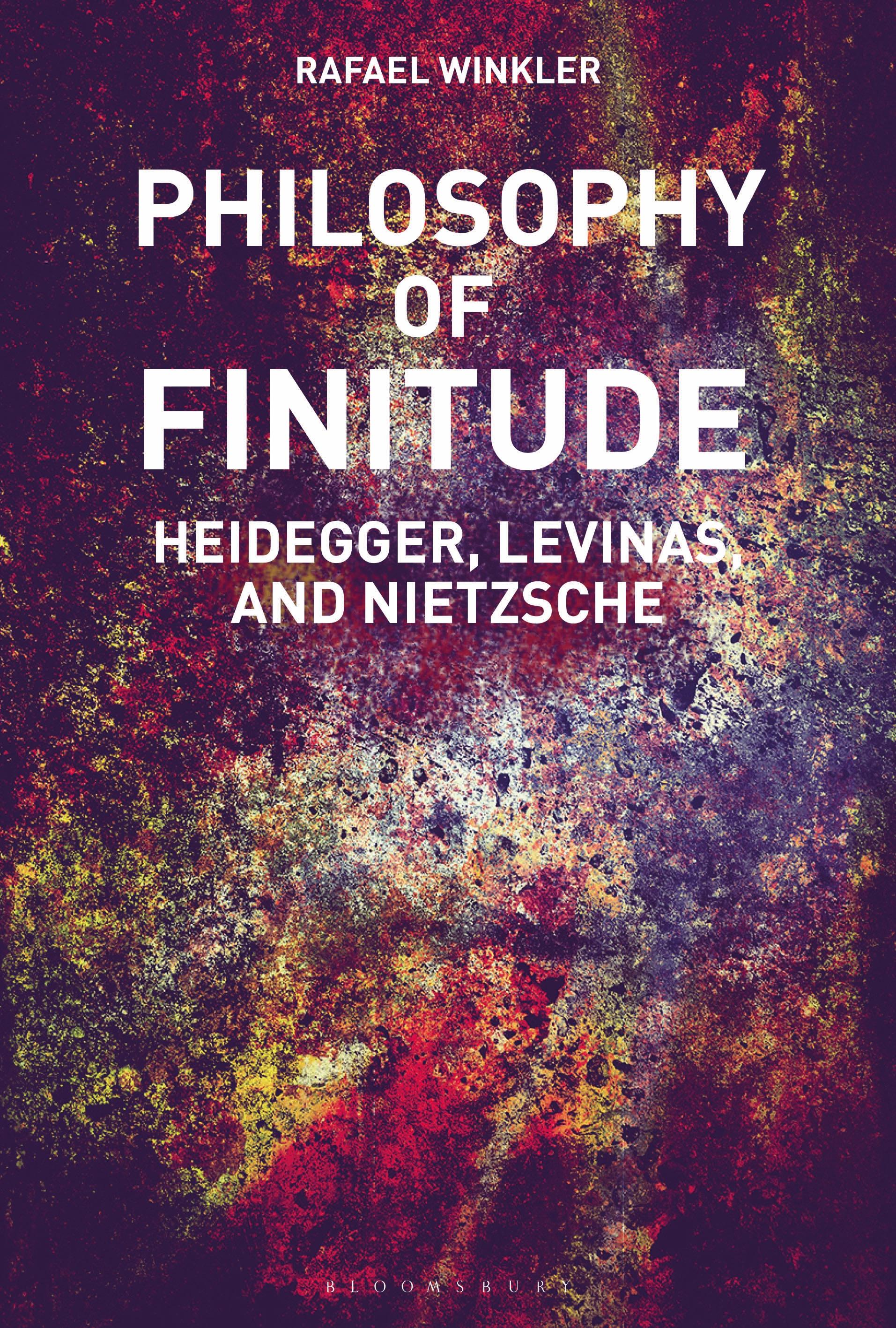
Examining the legacies of Heidegger, along with Derrida, Levinas and Nietzsche, Rafael Winkler argues that it is not the search for truth or even contradictions that stimulates philosophical thought. Instead, it is our exposure to the unthinkable or the impossible – to thought's own limits.
An experience of the unthinkable is possible in our encounter with the uniqueness of death, the singularity of being, and of the self and the other. This 'thinking of finitude' also has political implications, as it provides us with a way to talk about, and evaluate, absolute strangeness and, by implication, the absolute stranger or foreigner.
Illuminating Heidegger's writings on the question of ontology, ethics and history, Winkler proves that this encounter with thought's limits is one of the mainstays of the philosophies of difference of Heidegger, Levinas, and Nietzsche.
An experience of the unthinkable is possible in our encounter with the uniqueness of death, the singularity of being, and of the self and the other. This 'thinking of finitude' also has political implications, as it provides us with a way to talk about, and evaluate, absolute strangeness and, by implication, the absolute stranger or foreigner.
Illuminating Heidegger's writings on the question of ontology, ethics and history, Winkler proves that this encounter with thought's limits is one of the mainstays of the philosophies of difference of Heidegger, Levinas, and Nietzsche.
Betala smidigt med kort, Klarna, Apple Pay eller Google Pay. Är du inte nöjd har du alltid 14 dagars ångerrätt. Läs mer i våra villkor. Har du några frågor, mejla oss på hello@memmo.org.
Memmo gör det enklare att plugga – var du än är i världen. Hos oss samlar du kursböcker och smarta studieverktyg på ett och samma ställe: sammanfattningar, quiz, poddar och flashcards. Och så Ted, din studiekompis som svarar på allt du undrar. Över 50 000 studenter pluggar redan här – byggt för att du ska lära dig snabbare och stressa mindre.