
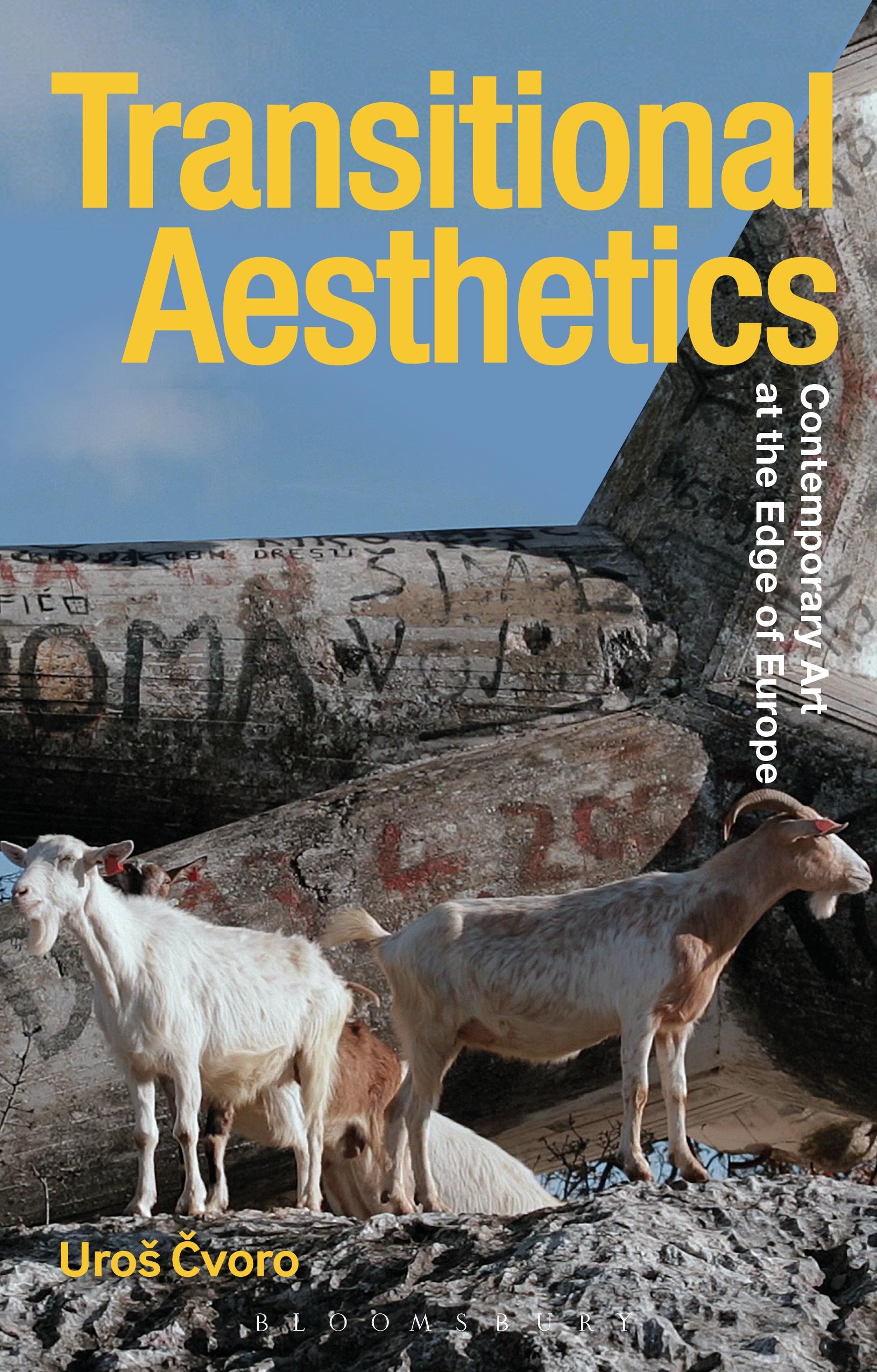
Using the way in which artists from the former Eastern bloc perceive the experience of EU integration and transition from a Soviet past as a conceptual launching pad, this book explores how artists critically inhabit a permanent state of 'in-between' to capture the simultaneous existence of multiple and overlapping temporalities.
Transitional aesthetics are artistic strategies that disrupt and interrogate ideologically loaded trajectories of cultural, social, or political transition. Examples of such trajectories include the movement from totalitarianism to democracy (post-socialism), from war to freedom and reconciliation (post-conflict), and from the edges of Europe to its centre (inclusion in the European Union).
These transitional states include: the future orientation of (failed) socialism and the perpetual present of global capital; the history of unresolved past conflicts and reconciliation through 'transitional justice'; nationalist obsessions with the past and the cultural appeal of kitsch and retro objects in fashion, film and music; and the uncertain future promise of EU membership and resurgence of global right-wing populism, headed by figures like Berlusconi, Le Pen, and Trump.
Transitional Aesthetics shows that apprehending time in contemporary art is fundamental to capturing the lived experience of a permanent state of instability; particularly relevant to Europe in the contemporary moment. In a world that has entered 'accelerated transition' towards instability, understanding this experience has broad and resonating relevance for politics, art and society.
Transitional aesthetics are artistic strategies that disrupt and interrogate ideologically loaded trajectories of cultural, social, or political transition. Examples of such trajectories include the movement from totalitarianism to democracy (post-socialism), from war to freedom and reconciliation (post-conflict), and from the edges of Europe to its centre (inclusion in the European Union).
These transitional states include: the future orientation of (failed) socialism and the perpetual present of global capital; the history of unresolved past conflicts and reconciliation through 'transitional justice'; nationalist obsessions with the past and the cultural appeal of kitsch and retro objects in fashion, film and music; and the uncertain future promise of EU membership and resurgence of global right-wing populism, headed by figures like Berlusconi, Le Pen, and Trump.
Transitional Aesthetics shows that apprehending time in contemporary art is fundamental to capturing the lived experience of a permanent state of instability; particularly relevant to Europe in the contemporary moment. In a world that has entered 'accelerated transition' towards instability, understanding this experience has broad and resonating relevance for politics, art and society.
Betala smidigt med kort, Klarna, Apple Pay eller Google Pay. Är du inte nöjd har du alltid 14 dagars ångerrätt. Läs mer i våra villkor. Har du några frågor, mejla oss på hello@memmo.org.
Memmo gör det enklare att plugga – var du än är i världen. Hos oss samlar du kursböcker och smarta studieverktyg på ett och samma ställe: sammanfattningar, quiz, poddar och flashcards. Och så Ted, din studiekompis som svarar på allt du undrar. Över 50 000 studenter pluggar redan här – byggt för att du ska lära dig snabbare och stressa mindre.