
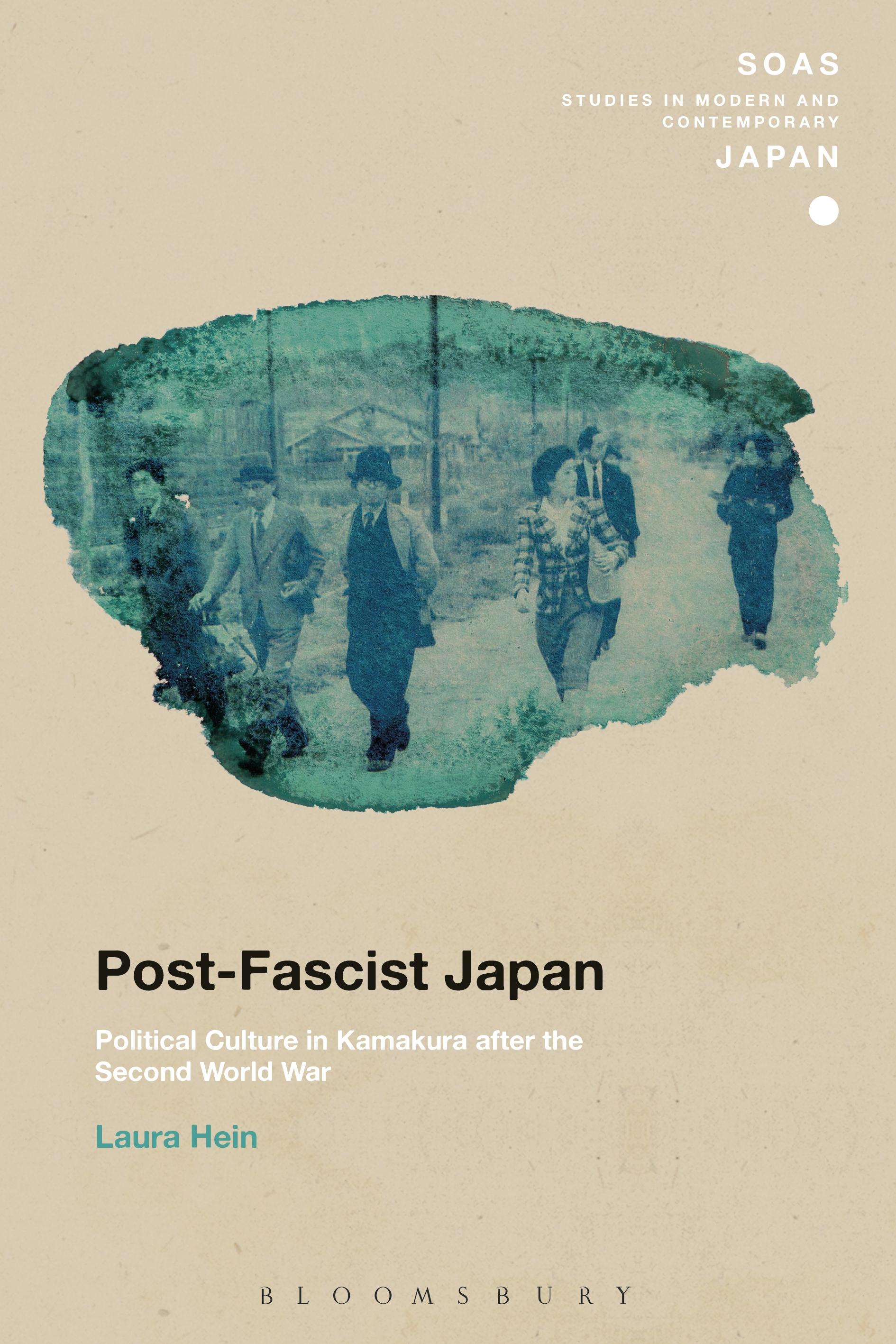
In late 1945 local Japanese turned their energies toward creating new behaviors and institutions that would give young people better skills to combat repression at home and coercion abroad. They rapidly transformed their political culture-policies, institutions, and public opinion-to create a more equitable, democratic and peaceful society.
Post-Fascist Japan explores this phenomenon, focusing on a group of highly educated Japanese based in the city of Kamakura, where the new political culture was particularly visible. The book argues that these leftist elites, many of whom had been seen as 'the enemy' during the war, saw the problem as one of fascism, an ideology that had succeeded because it had addressed real problems. They turned their efforts to overtly political-legal systems but also to ostensibly non-political and community institutions such as universities, art museums, local tourism, and environmental policies, aiming not only for reconciliation over the past but also to reduce the anxieties that had drawn so many towards fascism.
By focusing on people who had an outsized influence on Japan's political culture, Hein's study is local, national, and transnational. She grounds her discussion using specific personalities, showing their ideas about 'post-fascism', how they implemented them and how they interacted with the American occupiers.
Post-Fascist Japan explores this phenomenon, focusing on a group of highly educated Japanese based in the city of Kamakura, where the new political culture was particularly visible. The book argues that these leftist elites, many of whom had been seen as 'the enemy' during the war, saw the problem as one of fascism, an ideology that had succeeded because it had addressed real problems. They turned their efforts to overtly political-legal systems but also to ostensibly non-political and community institutions such as universities, art museums, local tourism, and environmental policies, aiming not only for reconciliation over the past but also to reduce the anxieties that had drawn so many towards fascism.
By focusing on people who had an outsized influence on Japan's political culture, Hein's study is local, national, and transnational. She grounds her discussion using specific personalities, showing their ideas about 'post-fascism', how they implemented them and how they interacted with the American occupiers.
Betala smidigt med kort, Klarna, Apple Pay eller Google Pay. Är du inte nöjd har du alltid 14 dagars ångerrätt. Läs mer i våra villkor. Har du några frågor, mejla oss på hello@memmo.org.
Memmo gör det enklare att plugga – var du än är i världen. Hos oss samlar du kursböcker och smarta studieverktyg på ett och samma ställe: sammanfattningar, quiz, poddar och flashcards. Och så Ted, din studiekompis som svarar på allt du undrar. Över 50 000 studenter pluggar redan här – byggt för att du ska lära dig snabbare och stressa mindre.