
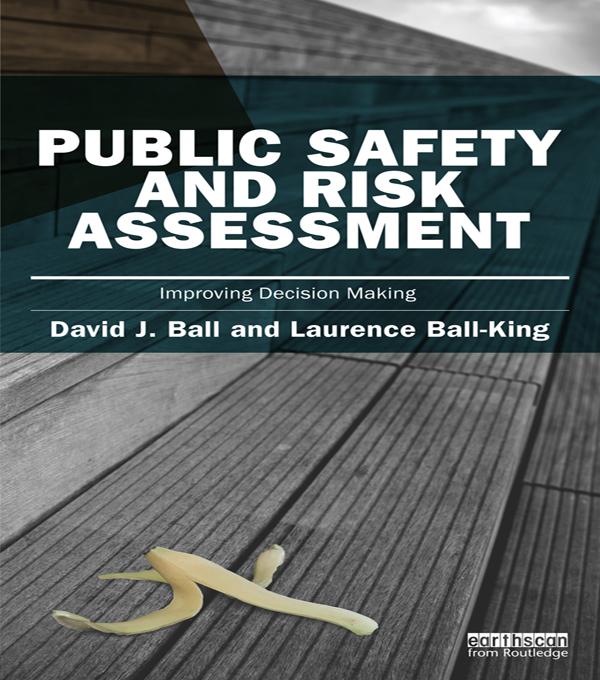
This book aims to encourage a more reflective, multidisciplinary approach to public safety, and the 'reenfranchisement' of those affected by this new phenomenon. Over the past decade health and safety has become a major issue of public interest. There are countless stories of health and safety activities interfering with public life, preventing some beneficial activity from taking place – even creating absurd or dangerous situations. On the one hand, risk assessment, properly conducted, is highly beneficial – it saves lives and prevents injuries. But on the other, it can damage public life. Why has this come about, and does it have to be like that? The authors examine the origins of the problem, look critically at the tools used by safety assessors and their underlying assumptions, and consider important differences between public life and industry (where the approaches largely originated). They illuminate the whole with an analysis of legal requirements, attitudes of stakeholders, and recent research on risk perception and decision making. The result is a profound and important analysis of risk and safety culture and a framework for managing public safety more effectively.
Betala smidigt med kort, Klarna, Apple Pay eller Google Pay. Är du inte nöjd har du alltid 14 dagars ångerrätt. Läs mer i våra villkor. Har du några frågor, mejla oss på hello@memmo.org.
Memmo gör det enklare att plugga – var du än är i världen. Hos oss samlar du kursböcker och smarta studieverktyg på ett och samma ställe: sammanfattningar, quiz, poddar och flashcards. Och så Ted, din studiekompis som svarar på allt du undrar. Över 50 000 studenter pluggar redan här – byggt för att du ska lära dig snabbare och stressa mindre.