
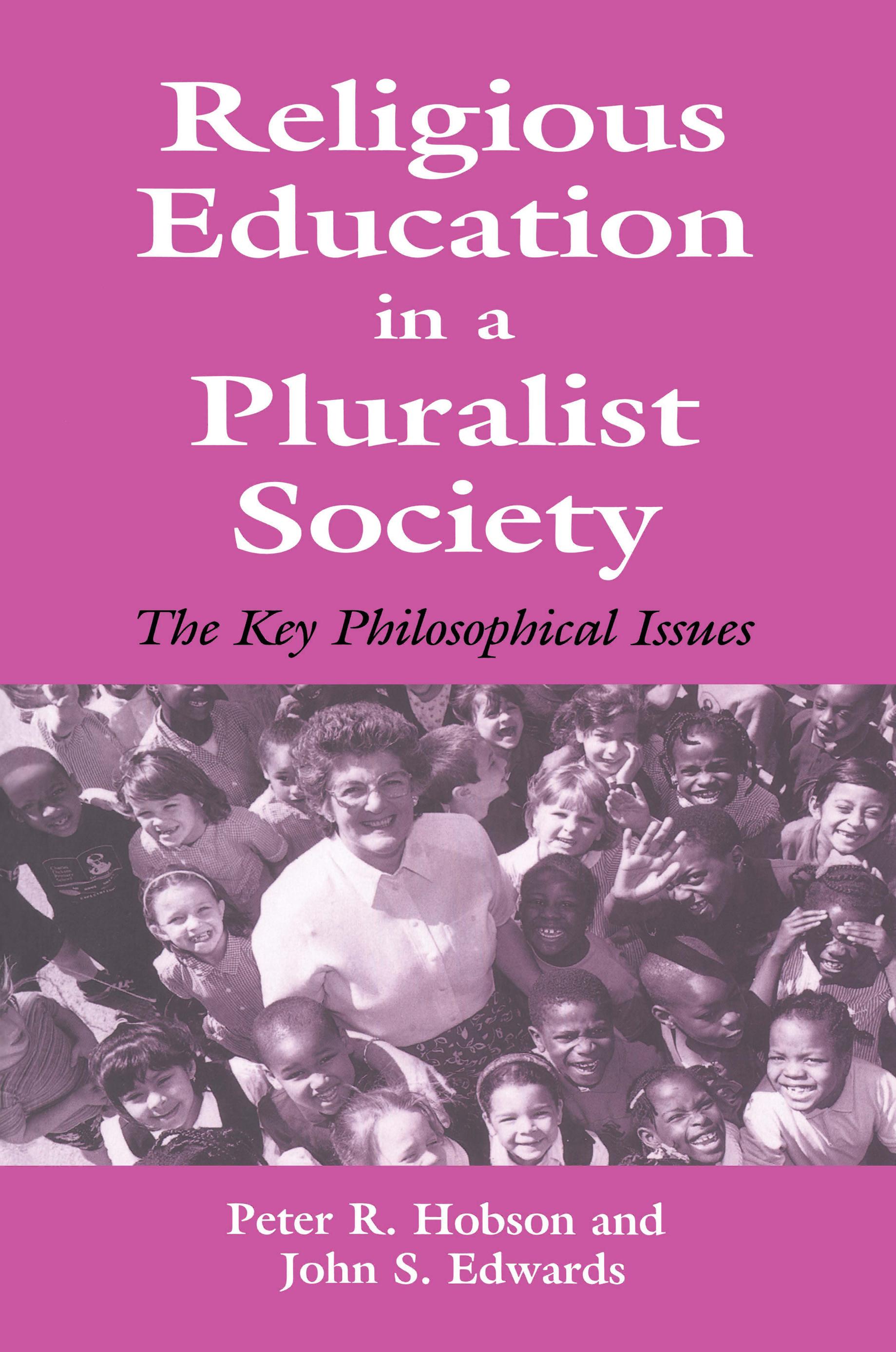
Religious education in liberal pluralist societies such as the UK, the USA, and Australian underwent radical change in the 1980s and 1990s, with a major shift towards multi-faith, educationally oriented programmes. This has meant significant modifications to both the content and the methodology of religious-education courses and to the way they are conceived of and taught in schools and universities.
One important implication of this change for the teaching and study of religion today is the need for a philosophical dimension that deals with issues such as the truth status of religious statements and the moral acceptability of religious claims. This dimension is often insufficiently developed; this lack is made more critical by the multiple competing truth claims of various religions, giving rise to such contentious problems as the growth of fundamentalism, increasing religious intolerance and conflict, and differences of opinion on central moral problems such as birth control, abortion and euthanasia. This text attempts to provide the philosophical underpinning that the study and teaching of religion in modern societies requires.
Betala smidigt med kort, Klarna, Apple Pay eller Google Pay. Är du inte nöjd har du alltid 14 dagars ångerrätt. Läs mer i våra villkor. Har du några frågor, mejla oss på hello@memmo.org.
Memmo gör det enklare att plugga – var du än är i världen. Hos oss samlar du kursböcker och smarta studieverktyg på ett och samma ställe: sammanfattningar, quiz, poddar och flashcards. Och så Ted, din studiekompis som svarar på allt du undrar. Över 50 000 studenter pluggar redan här – byggt för att du ska lära dig snabbare och stressa mindre.