
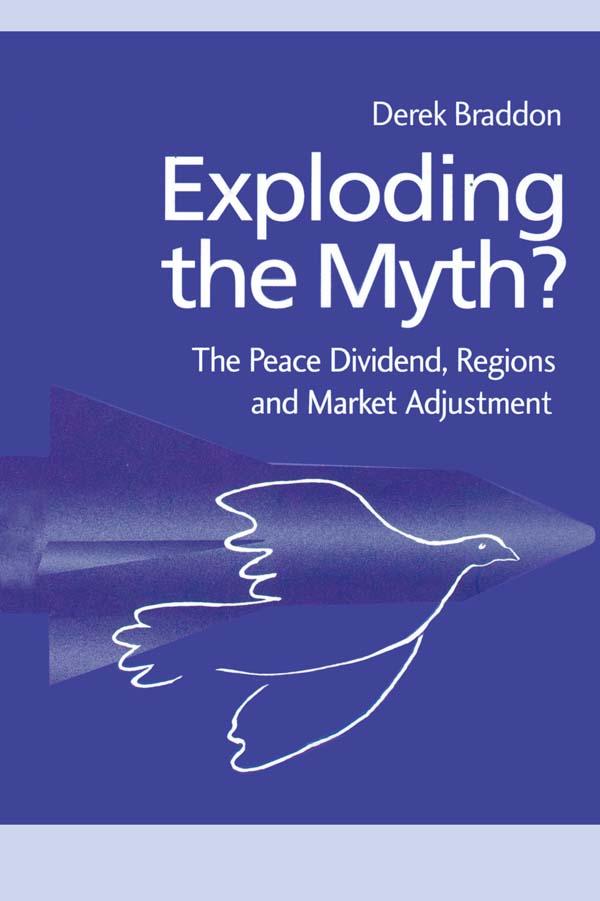
From a cold war peak of some $1000 billion per annum, world military expenditure has declined by about 40% since 1990, reaching its lowest level for thirty years. With such significant decline in global public expenditure committments to the defence sector, a substantial and lasting peace dividend was anticipated. Most governments believed that market forces, left more or less to their own devices, would deal effectively with this major exogenous shock and generate sufficient new economic activity to allow increased public expenditure on health, education and welfare. The approach of this book is to challenge the fundamental but flawed belief that a substantial and lasting peace dividend could be secured through market solution alone. The principal assertion is that market adjustment by itself cannot deliver such a dividend.The book focuses on the major aspects of the economic, business and security consequences of post Cold War defence expenditure reduction. Key problems obstructing optimal market response are identified and possible remedial action by government and others is considered.
Betala smidigt med kort, Klarna, Apple Pay eller Google Pay. Är du inte nöjd har du alltid 14 dagars ångerrätt. Läs mer i våra villkor. Har du några frågor, mejla oss på hello@memmo.org.
Memmo gör det enklare att plugga – var du än är i världen. Hos oss samlar du kursböcker och smarta studieverktyg på ett och samma ställe: sammanfattningar, quiz, poddar och flashcards. Och så Ted, din studiekompis som svarar på allt du undrar. Över 50 000 studenter pluggar redan här – byggt för att du ska lära dig snabbare och stressa mindre.
Du kanske också gillar
Köp boken0