
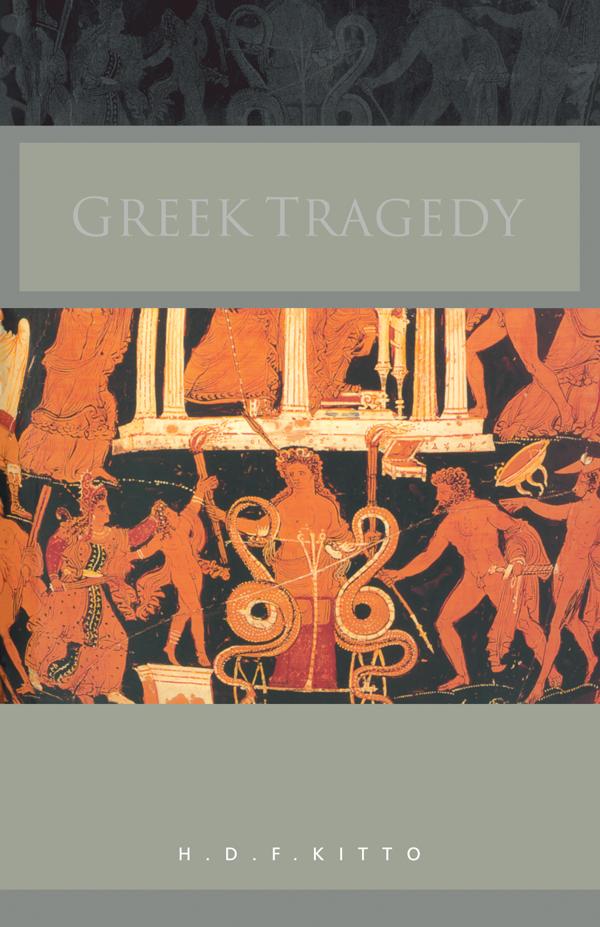
This classic work not only records developments in the form and style of Greek drama, it also analyses the reasons for these changes. It provides illuminating answers to questions that have confronted generations of students, such as:
* why did Aeschylus introduce the second actor?
* why did Sophocles develop character drawing?
* why are some of Euripides' plots so bad and others so good?
Greek Tragedy is neither a history nor a handbook, but a penetrating work of criticism which all students of literature will find suggestive and stimulating.
Betala smidigt med kort, Klarna, Apple Pay eller Google Pay. Är du inte nöjd har du alltid 14 dagars ångerrätt. Läs mer i våra villkor. Har du några frågor, mejla oss på hello@memmo.org.
Memmo gör det enklare att plugga – var du än är i världen. Hos oss samlar du kursböcker och smarta studieverktyg på ett och samma ställe: sammanfattningar, quiz, poddar och flashcards. Och så Ted, din studiekompis som svarar på allt du undrar. Över 50 000 studenter pluggar redan här – byggt för att du ska lära dig snabbare och stressa mindre.