
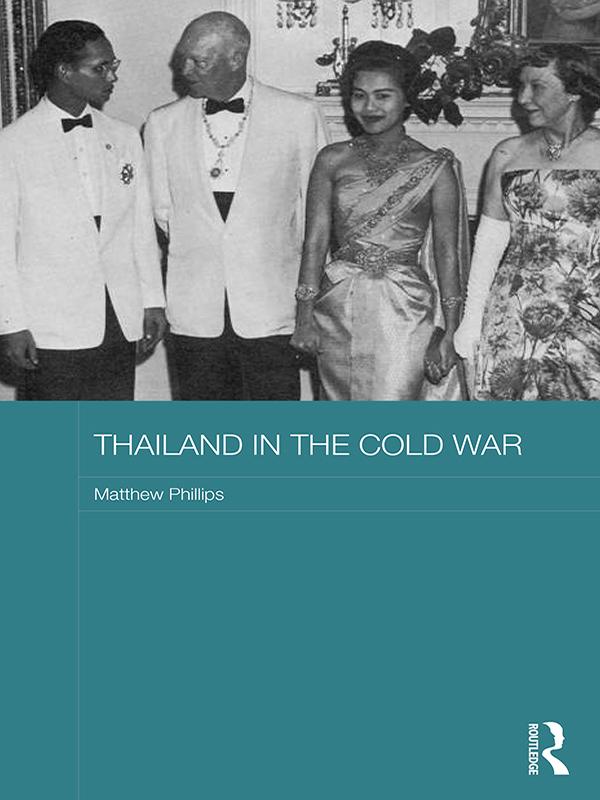
Thailand’s position during the Cold War was ambiguous: the country’s political leadership was very keen to maintain the country’s independence on the world stage, yet at the same time was anxious to establish the country’s credentials as staunchly anti-communist. However, as this book argues, Thailand, though never formally a client state of the United States, was very closely embedded in the Western camp through the commitment of Thailand’s cosmopolitan urban communities to developing a modern, consumerist lifestyle. Considering popular culture, including film, literature, fashion, tourism and attitudes towards Buddhism, the book shows how an ideology of consumerism and integration into a "free world" culture centred in the United States gradually took hold and became firmly established, and how this popular culture and ideology was fundamental in determining Thailand’s international political alignment.
Betala smidigt med kort, Klarna, Apple Pay eller Google Pay. Är du inte nöjd har du alltid 14 dagars ångerrätt. Läs mer i våra villkor. Har du några frågor, mejla oss på hello@memmo.org.
Memmo gör det enklare att plugga – var du än är i världen. Hos oss samlar du kursböcker och smarta studieverktyg på ett och samma ställe: sammanfattningar, quiz, poddar och flashcards. Och så Ted, din studiekompis som svarar på allt du undrar. Över 50 000 studenter pluggar redan här – byggt för att du ska lära dig snabbare och stressa mindre.