
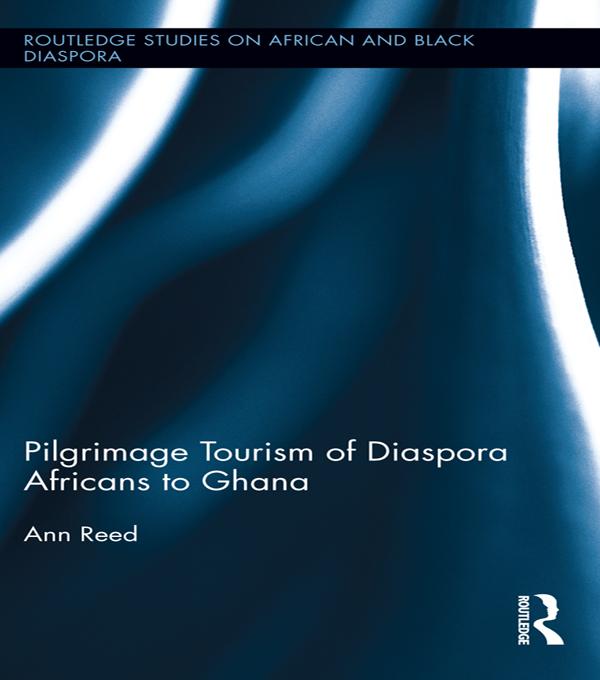
Processes of globalization have led to diasporic groups longing for their homelands. One such group includes descendants from African ancestors displaced by the trans-Atlantic slave trade, who may be uncertain about their families' exact origins. Traveling home often means visiting African sites associated with the slave trade, journeys full of expectations. The remembrance of the slave trade and pilgrimages to these heritage sites bear resemblance to other diasporic travels that center on trauma, identification, and redemption. Based on over two years of ethnographic fieldwork with both diaspora Africans and Ghanaians, this book explores why and how Ghana has been cast as a pilgrimage destination for people of African descent, especially African Americans. Grounding her research in Ghana’s Central Region where slavery heritage tourism and political ideas promoting incorporation into one African family are prominent, Reed also discusses the perspectives of ordinary Ghanaians, tourism stakeholders, and diasporan "repatriates." Providing ethnographic insight into the transnational networks of people and ideas entangled in Ghana’s pilgrimage tourism, this book also contributes to better understanding the broader global phenomenon of diasporic travel to homeland centers.
Betala smidigt med kort, Klarna, Apple Pay eller Google Pay. Är du inte nöjd har du alltid 14 dagars ångerrätt. Läs mer i våra villkor. Har du några frågor, mejla oss på hello@memmo.org.
Memmo gör det enklare att plugga – var du än är i världen. Hos oss samlar du kursböcker och smarta studieverktyg på ett och samma ställe: sammanfattningar, quiz, poddar och flashcards. Och så Ted, din studiekompis som svarar på allt du undrar. Över 50 000 studenter pluggar redan här – byggt för att du ska lära dig snabbare och stressa mindre.