
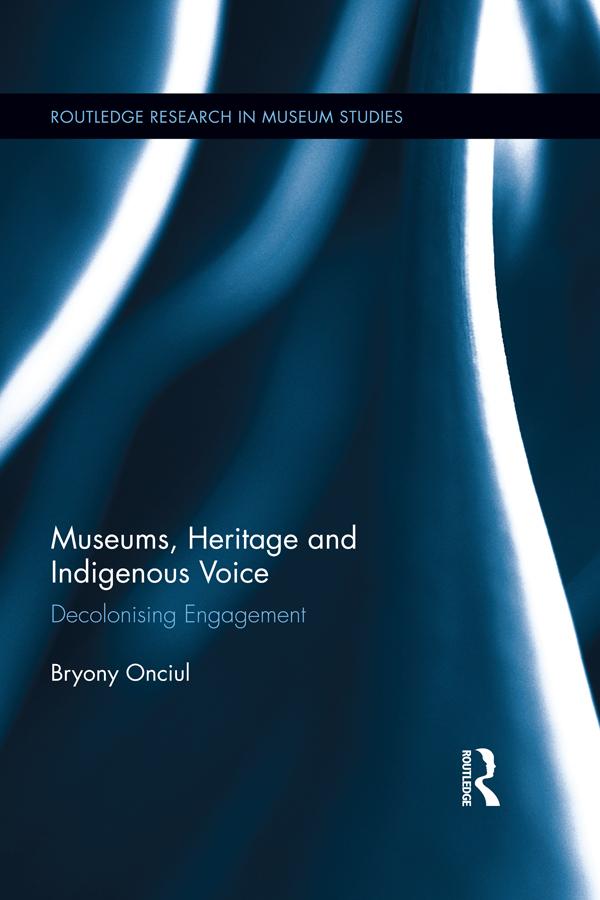
Current discourse on Indigenous engagement in museum studies is often dominated by curatorial and academic perspectives, in which community voice, viewpoints, and reflections on their collaborations can be under-represented. This book provides a unique look at Indigenous perspectives on museum community engagement and the process of self-representation, specifically how the First Nations Elders of the Blackfoot Confederacy have worked with museums and heritage sites in Alberta, Canada, to represent their own culture and history. Situated in a post-colonial context, the case-study sites are places of contention, a politicized environment that highlights commonly hidden issues and naturalized inequalities built into current approaches to community engagement. Data from participant observation, archives, and in-depth interviewing with participants brings Blackfoot community voice into the text and provides an alternative understanding of self and cross-cultural representation.
Focusing on the experiences of museum professionals and Blackfoot Elders who have worked with a number of museums and heritage sites, Indigenous Voices in Cultural Institutions unpicks the power and politics of engagement on a micro level and how it can be applied more broadly, by exposing the limits and challenges of cross-cultural engagement and community self-representation. The result is a volume that provides readers with an in-depth understanding of the nuances of self-representation and decolonization.
Betala smidigt med kort, Klarna, Apple Pay eller Google Pay. Är du inte nöjd har du alltid 14 dagars ångerrätt. Läs mer i våra villkor. Har du några frågor, mejla oss på hello@memmo.org.
Memmo gör det enklare att plugga – var du än är i världen. Hos oss samlar du kursböcker och smarta studieverktyg på ett och samma ställe: sammanfattningar, quiz, poddar och flashcards. Och så Ted, din studiekompis som svarar på allt du undrar. Över 50 000 studenter pluggar redan här – byggt för att du ska lära dig snabbare och stressa mindre.