
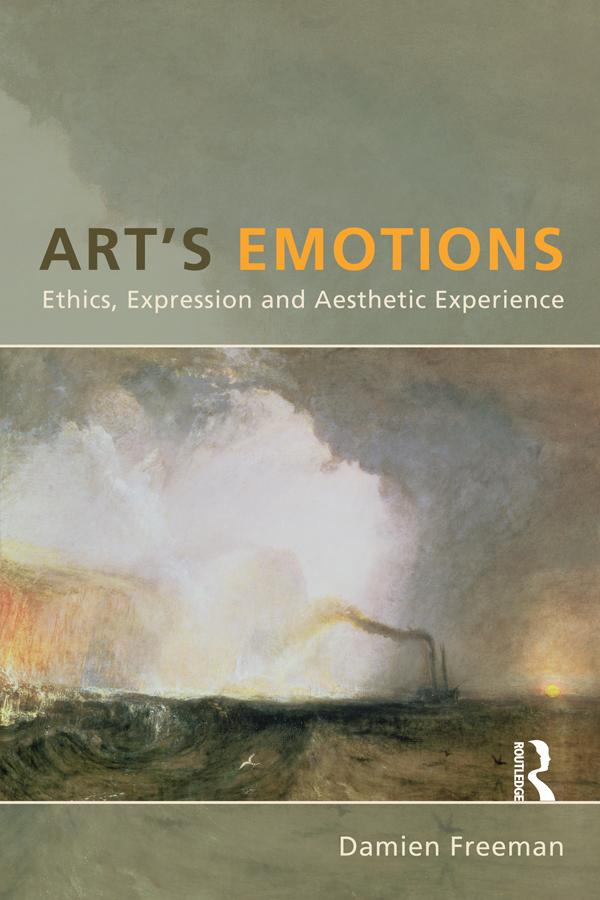
Despite the very obvious differences between looking at Manet’s Woman with a Parrot and listening to Elgar’s Cello Concerto, both experiences provoke similar questions in the thoughtful aesthete: why does the painting seem to express reverie and the music, nostalgia? How do we experience the reverie and nostalgia in such works of art? Why do we find these experiences rewarding in similar ways? As our awareness of emotion in art, and our engagement with art’s emotions, can make such a special contribution to our life, it is timely for a philosopher to seek to account for the nature and significance of the experience of art’s emotions.
Damien Freeman develops a new theory of emotion that is suitable for resolving key questions in aesthetics. He then reviews and evaluates three existing approaches to artistic expression, and proposes a new approach to the emotional experience of art that draws on the strengths of the existing approaches. Finally, he seeks to establish the ethical significance of this emotional experience of art for human flourishing. Freeman challenges the reader not only to consider how art engages with emotion, but how we should connect up our answers to questions concerning the nature and value of the experiences offered by works of art.
Betala smidigt med kort, Klarna, Apple Pay eller Google Pay. Är du inte nöjd har du alltid 14 dagars ångerrätt. Läs mer i våra villkor. Har du några frågor, mejla oss på hello@memmo.org.
Memmo gör det enklare att plugga – var du än är i världen. Hos oss samlar du kursböcker och smarta studieverktyg på ett och samma ställe: sammanfattningar, quiz, poddar och flashcards. Och så Ted, din studiekompis som svarar på allt du undrar. Över 50 000 studenter pluggar redan här – byggt för att du ska lära dig snabbare och stressa mindre.