
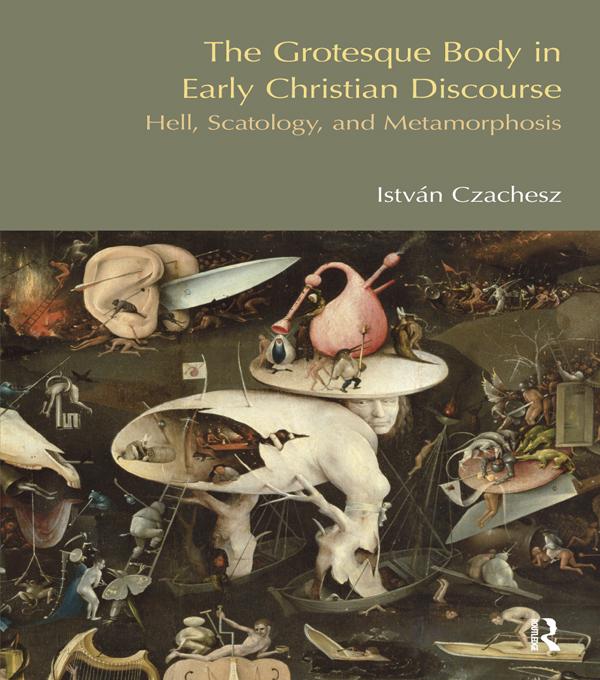
Early Christian apocryphal and conical documents present us with grotesque images of the human body, often combining the playful and humorous with the repulsive, and fearful. First to third century Christian literature was shaped by the discourse around and imagery of the human body. This study analyses how the iconography of bodily cruelty and visceral morality was produced and refined from the very start of Christian history. The sources range across Greek comedy, Roman and Jewish demonology, and metamorphosis traditions. The study reveals how these images originated, were adopted, and were shaped to the service of a doctrinally and psychologically persuasive Christian message.
Betala smidigt med kort, Klarna, Apple Pay eller Google Pay. Är du inte nöjd har du alltid 14 dagars ångerrätt. Läs mer i våra villkor. Har du några frågor, mejla oss på hello@memmo.org.
Memmo gör det enklare att plugga – var du än är i världen. Hos oss samlar du kursböcker och smarta studieverktyg på ett och samma ställe: sammanfattningar, quiz, poddar och flashcards. Och så Ted, din studiekompis som svarar på allt du undrar. Över 50 000 studenter pluggar redan här – byggt för att du ska lära dig snabbare och stressa mindre.
Du kanske också gillar
Köp boken0