
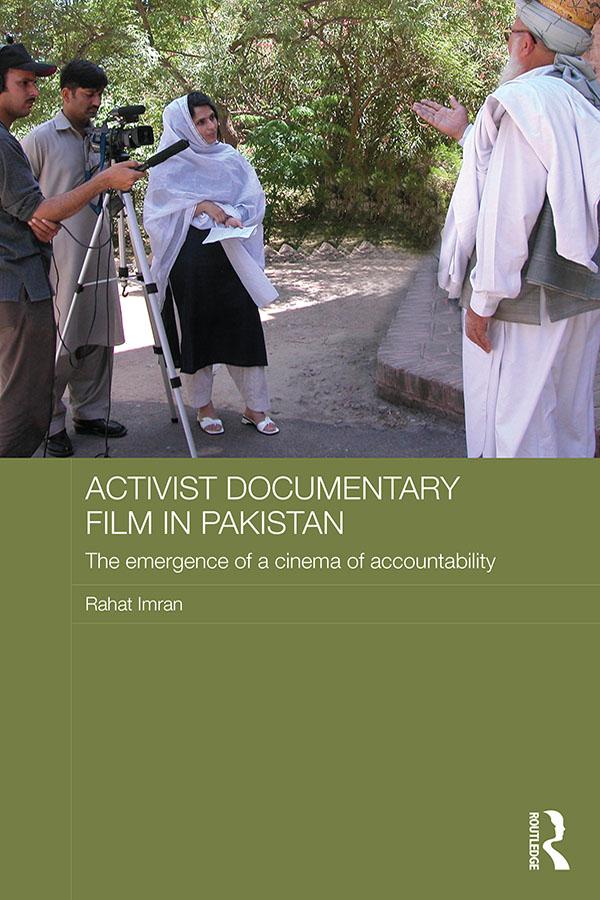
This book, the first academic book on Pakistani documentary cinema, traces the development of activist filmmaking practices in Pakistan which have emerged as a response to the consequences of religious fundamentalism, extremism, and violation of human rights. Beginning with the period of General Zia-ul-Haq’s Islamization process (1977-88), it discusses a selection of representative documentary films that have critically addressed and documented the various key transformations, events, and developments that have shaped Pakistan’s socio-political, socio-economic, and cultural history. Such activist filmmaking practice in Pakistan is today an influential factor in addressing the politics, and negative and oppressive effects of the Islamization era, discriminatory laws, particularly gender-discriminatory Sharia laws, violation of human and citizen rights, authoritarianism, internal strife, the spread of religious fundamentalism, and the threat of Talibanization, and oppressive tribal customs and traditions. The contribution of Pakistani documentary filmmakers stands as a significant body of work that has served the cause of human rights, promoting awareness and social change in Pakistan, particularly regarding gender rights.
Betala smidigt med kort, Klarna, Apple Pay eller Google Pay. Är du inte nöjd har du alltid 14 dagars ångerrätt. Läs mer i våra villkor. Har du några frågor, mejla oss på hello@memmo.org.
Memmo gör det enklare att plugga – var du än är i världen. Hos oss samlar du kursböcker och smarta studieverktyg på ett och samma ställe: sammanfattningar, quiz, poddar och flashcards. Och så Ted, din studiekompis som svarar på allt du undrar. Över 50 000 studenter pluggar redan här – byggt för att du ska lära dig snabbare och stressa mindre.