
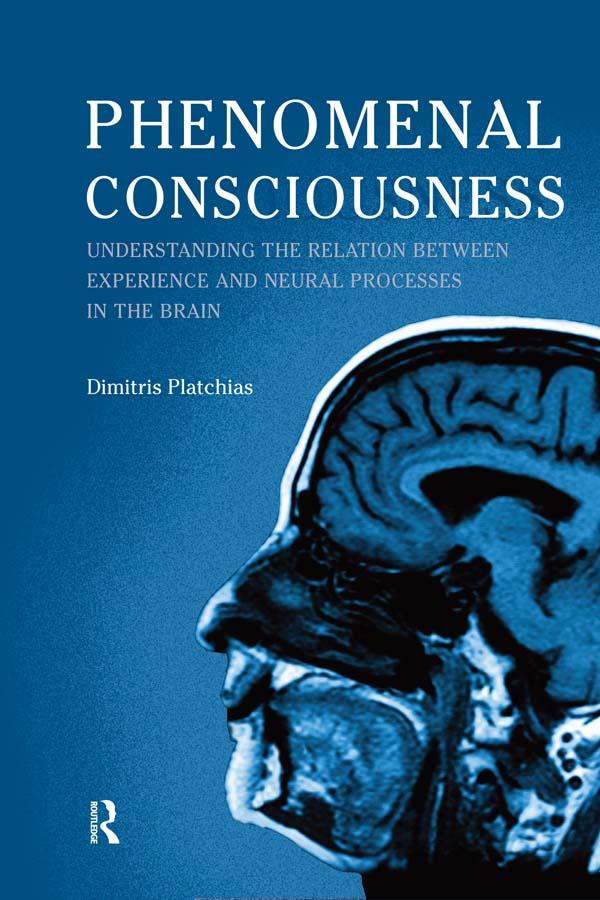
How can the fine-grained phenomenology of conscious experience arise from neural processes in the brain? How does a set of action potentials (nerve impulses) become like the feeling of pain in one's experience? Contemporary neuroscience is teaching us that our mental states correlate with neural processes in the brain. However, although we know that experience arises from a physical basis, we don't have a good explanation of why and how it so arises. The problem of how physical processes give rise to experience is called the 'hard problem' of consciousness and it is the contemporary manifestation of the mind-body problem. This book explains the key concepts that surround the issue as well as the nature of the hard problem and the several approaches to it. It gives a comprehensive treatment of the phenomenon incorporating its main metaphysical and epistemic aspects, as well as recent empirical findings, such as the phenomenon of blindsight, change blindness, visual-form agnosia and optic ataraxia, mirror recognition in other primates, split-brain cases and synaesthesia.
Betala smidigt med kort, Klarna, Apple Pay eller Google Pay. Är du inte nöjd har du alltid 14 dagars ångerrätt. Läs mer i våra villkor. Har du några frågor, mejla oss på hello@memmo.org.
Memmo gör det enklare att plugga – var du än är i världen. Hos oss samlar du kursböcker och smarta studieverktyg på ett och samma ställe: sammanfattningar, quiz, poddar och flashcards. Och så Ted, din studiekompis som svarar på allt du undrar. Över 50 000 studenter pluggar redan här – byggt för att du ska lära dig snabbare och stressa mindre.
Du kanske också gillar
Köp boken0