
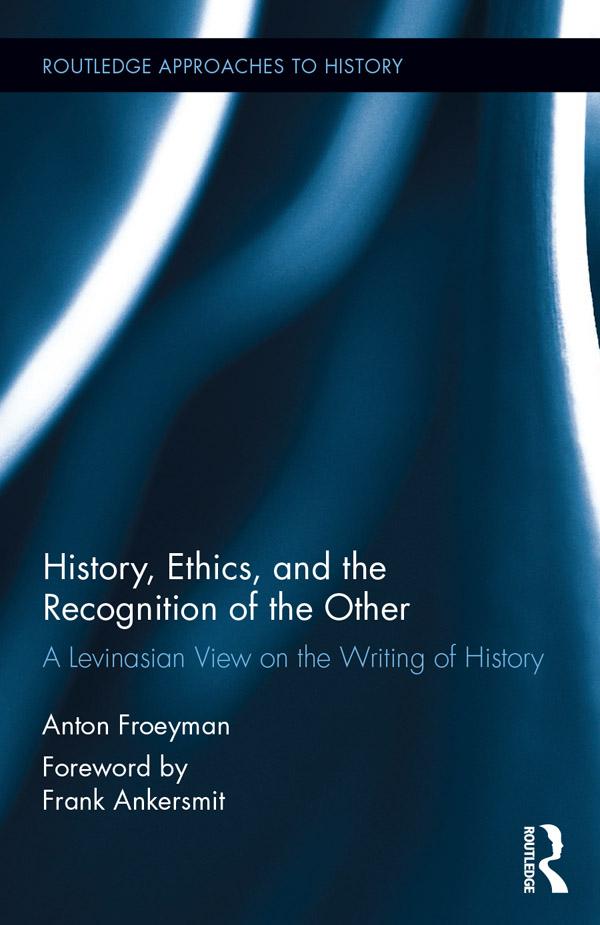
This book introduces a new way of looking at the writing of history. Rather than as the production of knowledge or the telling of stories, it sees writing history as an ethical, existential and emotional engagement with the people from the past. The conceptual and philosophical basis for this view is provided by the philosophy of Emmanuel Levinas. In the first part, the view is presented and contrasted with other, competing views, such as those of Hans-Georg Gadamer and Michel Foucault. In the second part, the view is argued for, most importantly by an in-depth discussion of one specific tradition of history-writing (microhistory), and a series of close readings of several classical works from the history of historiography. The third part, finally, explores some of the methodological consequences of this view, and applies it to a non-academic way of dealing with the past, namely historical performance practice in music. The book features a foreword by Frank Ankersmit.
Betala smidigt med kort, Klarna, Apple Pay eller Google Pay. Är du inte nöjd har du alltid 14 dagars ångerrätt. Läs mer i våra villkor. Har du några frågor, mejla oss på hello@memmo.org.
Memmo gör det enklare att plugga – var du än är i världen. Hos oss samlar du kursböcker och smarta studieverktyg på ett och samma ställe: sammanfattningar, quiz, poddar och flashcards. Och så Ted, din studiekompis som svarar på allt du undrar. Över 50 000 studenter pluggar redan här – byggt för att du ska lära dig snabbare och stressa mindre.