
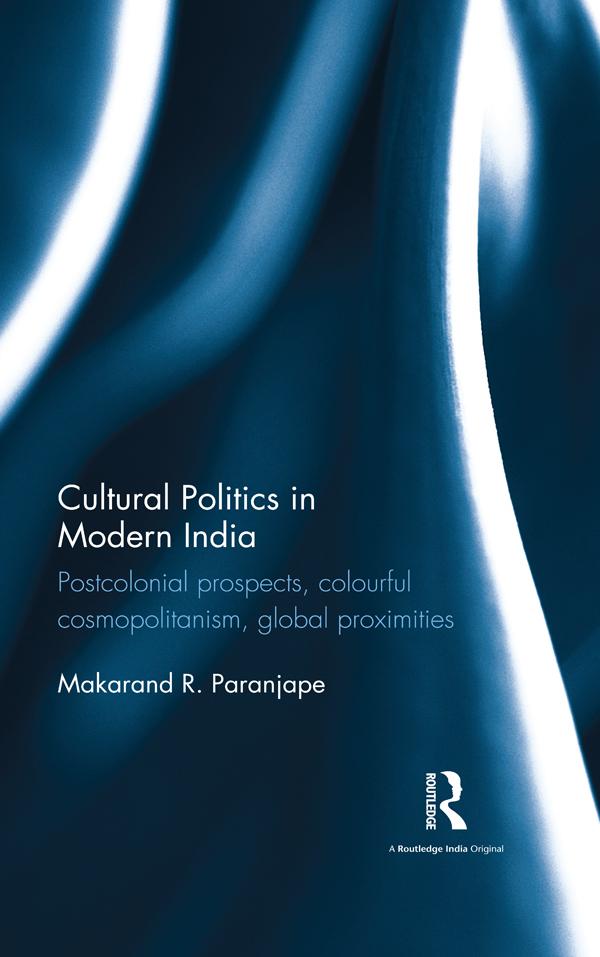
India’s global proximities derive in good measure from its struggle against British imperialism. In its efforts to become a nation, India turned modern in its own unusual way. At the heart of this metamorphosis was a "colourful cosmopolitanism," the unique manner in which India made the world its neighbourhood. The most creative thinkers and leaders of that period reimagined diverse horizons. They collaborated not only in widespread anti-colonial struggles but also in articulating the vision of alter-globalization, universalism, and cosmopolitanism. This book, in revealing this dimension, offers new and original interpretations of figures such as Kant, Tagore, Heidegger, Gandhi, Aurobindo, Gebser, Kosambi, Narayan, Ezekiel, and Spivak. It also analyses cultural and aesthetic phenomena, from the rasa theory to Bollywood cinema, explaining how Indian ideas, texts, and cultural expressions interacted with a wider world and contributed to the making of modern India.
Betala smidigt med kort, Klarna, Apple Pay eller Google Pay. Är du inte nöjd har du alltid 14 dagars ångerrätt. Läs mer i våra villkor. Har du några frågor, mejla oss på hello@memmo.org.
Memmo gör det enklare att plugga – var du än är i världen. Hos oss samlar du kursböcker och smarta studieverktyg på ett och samma ställe: sammanfattningar, quiz, poddar och flashcards. Och så Ted, din studiekompis som svarar på allt du undrar. Över 50 000 studenter pluggar redan här – byggt för att du ska lära dig snabbare och stressa mindre.