
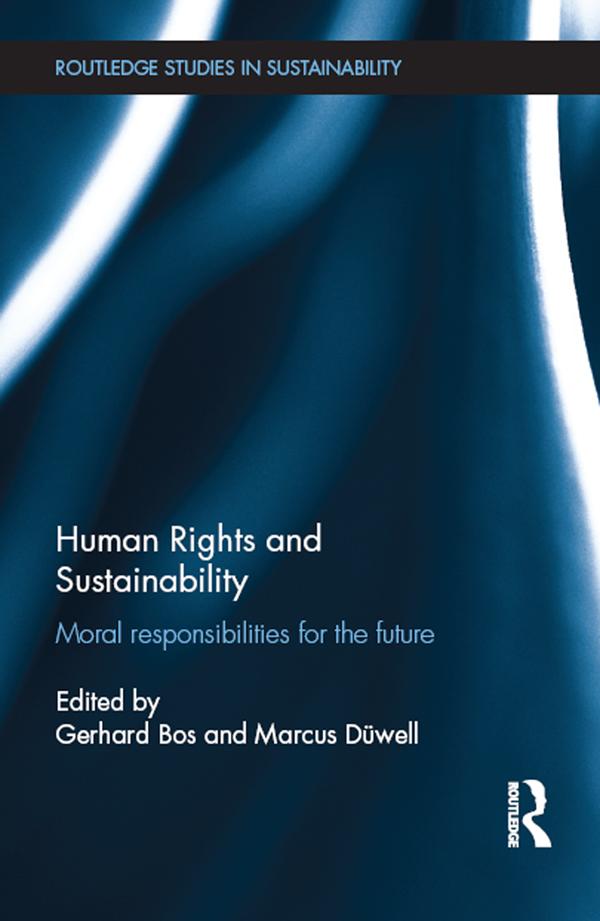
The history of human rights suggests that individuals should be empowered in their natural, political, political, social and economic vulnerabilities. States within the international arena hold each other responsible for doing just that and support or interfere where necessary. States are to protect these essential human vulnerabilities, even when this is not a matter of self-interest. This function of human rights is recognized in contexts of intervention, genocide, humanitarian aid and development.
This book develops the idea of environmental obligations as long-term responsibilities in the context of human rights. It proposes that human rights require recognition that, in the face of unsustainable conduct, future human persons are exposed and vulnerable. It explores the obstacles for long-term responsibilities that human rights law provides at the level of international and national law and challenges the question of whether lifestyle restrictions are enforceable in view of liberties and levels of wellbeing typically seen as protected by human rights.
The book will be of interest to postgraduates studying Human Rights, Sustainability, Law and Philosophy.
Betala smidigt med kort, Klarna, Apple Pay eller Google Pay. Är du inte nöjd har du alltid 14 dagars ångerrätt. Läs mer i våra villkor. Har du några frågor, mejla oss på hello@memmo.org.
Memmo gör det enklare att plugga – var du än är i världen. Hos oss samlar du kursböcker och smarta studieverktyg på ett och samma ställe: sammanfattningar, quiz, poddar och flashcards. Och så Ted, din studiekompis som svarar på allt du undrar. Över 50 000 studenter pluggar redan här – byggt för att du ska lära dig snabbare och stressa mindre.