
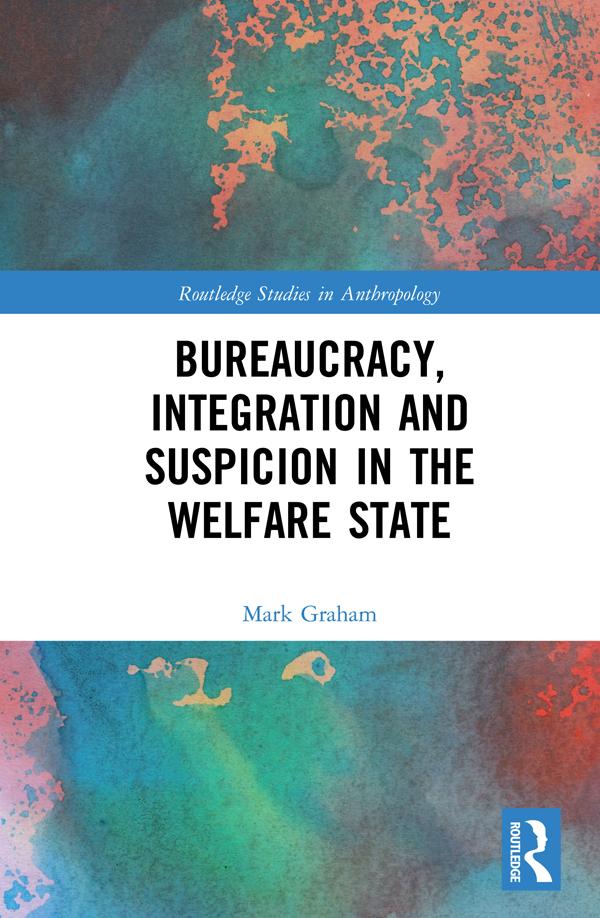
This book explores how the often well-meaning routines and assumptions of a generous welfare state can reflect and even contribute to the stigmatisation of refugees and Muslims in Europe today. While the main cases are from Sweden, examples are included from the UK, France, Switzerland, Germany and the Netherlands. Mark Graham examines how suspicion is woven into the fabric of welfare bureaucracies with potential adverse consequences for the people they serve. He complicates our understanding of what Islamophobia means, and how it is expressed and created, by exploring contexts in which the logic of "othering" Muslims operates, but where explicit Islamophobia itself is absent. The book starts with Swedish public-sector bureaucracies and attempts by staff to make sense of Muslim refugee clients with categories and models that reappear in wider society. It goes on to explore the logic of integration policies, official concepts of culture, Swedish multiculturalism, educational strategies in schools, and debates surrounding "genuine" and "false" refugees. In all cases, the homologies between these different socio-cultural domains are explored.
Betala smidigt med kort, Klarna, Apple Pay eller Google Pay. Är du inte nöjd har du alltid 14 dagars ångerrätt. Läs mer i våra villkor. Har du några frågor, mejla oss på hello@memmo.org.
Memmo gör det enklare att plugga – var du än är i världen. Hos oss samlar du kursböcker och smarta studieverktyg på ett och samma ställe: sammanfattningar, quiz, poddar och flashcards. Och så Ted, din studiekompis som svarar på allt du undrar. Över 50 000 studenter pluggar redan här – byggt för att du ska lära dig snabbare och stressa mindre.