
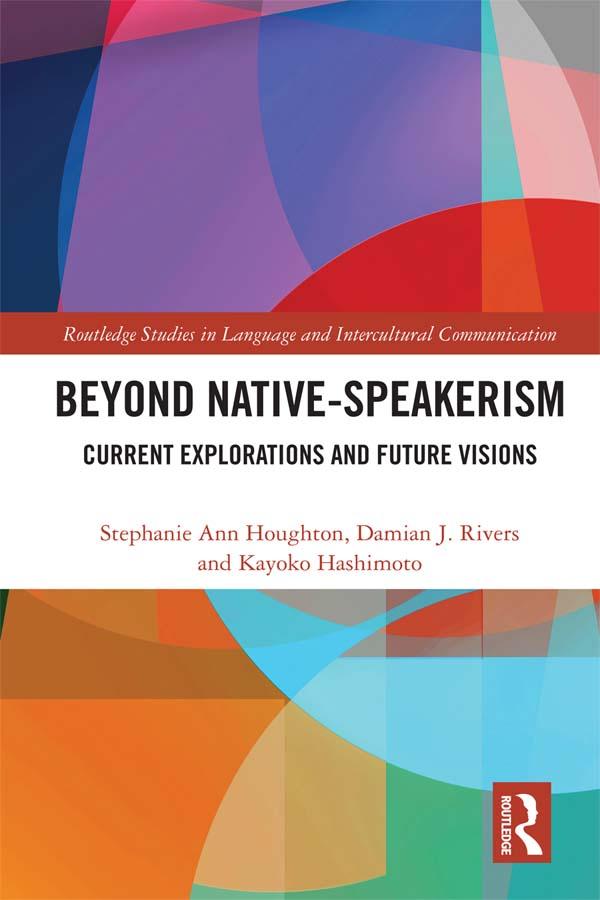
Despite unsubstantiated claims of best practice, the division of language-teaching professionals on the basis of their categorization as ‘native-speakers’ or ‘non-native speakers’ continues to cascade throughout the academic literature. It has become normative, under the rhetorical guise of acting to correct prejudice and/or discrimination, to see native-speakerism as having a single beneficiary – the ‘native-speaker’ – and a single victim – the ‘non-native’ speaker. However, this unidirectional perspective fails to deal with the more veiled systems through which those labeled as native-speakers and non-native speakers are both cast as casualties of this questionable bifurcation. This volume documents such complexities and aims to fill the void currently observable within mainstream academic literature in the teaching of both English, and Japanese, foreign language education. By identifying how the construct of Japanese native-speaker mirrors that of the ‘native-speaker’ of English, the volume presents a revealing insight into language teaching in Japan. Further, taking a problem-solving approach, this volume explores possible grounds on which language teachers could be employed if native-speakerism is rejected according to experts in the fields of intercultural communicative competence, English as a Lingua Franca and World Englishes, all of which aim to replace the ‘native-speaker’ model with something new.
Betala smidigt med kort, Klarna, Apple Pay eller Google Pay. Är du inte nöjd har du alltid 14 dagars ångerrätt. Läs mer i våra villkor. Har du några frågor, mejla oss på hello@memmo.org.
Memmo gör det enklare att plugga – var du än är i världen. Hos oss samlar du kursböcker och smarta studieverktyg på ett och samma ställe: sammanfattningar, quiz, poddar och flashcards. Och så Ted, din studiekompis som svarar på allt du undrar. Över 75 000 studenter pluggar redan här – byggt för att du ska lära dig snabbare och stressa mindre.