
"I’m good Hamlet gi’me a cause for grief"
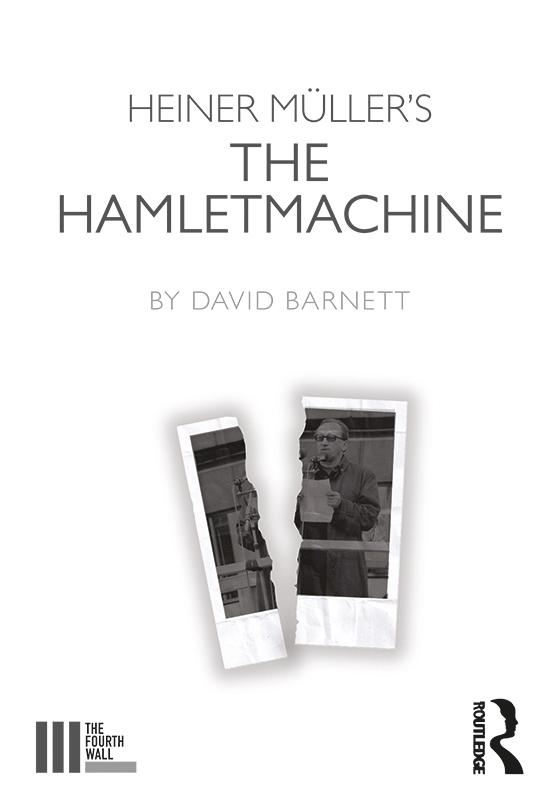
At first glance, readers of The Hamletmachine (1979) could be forgiven for wondering whether it is actually a play at all: it opens with a montage of texts that are not ascribed to a character, there is no vestige of a plot, and the whole piece lasts a total of ten pages.
Yet, Heiner Müller’s play regularly features in theatres’ repertoires and is frequently staged by university theatre departments. In four short chapters, David Barnett unpicks the complexities of The Hamletmachine’s writing and frames its author as an experimental, politically committed writer who confronts the shortcomings of his age. In considering the problems Müller poses for the play’s performance, he also discusses two exemplary productions in order to show how the work can engage very different audiences.
This book examines why such a compact, radically open, and yet seemingly obscure play has proved so popular.
Betala smidigt med kort, Klarna, Apple Pay eller Google Pay. Är du inte nöjd har du alltid 14 dagars ångerrätt. Läs mer i våra villkor. Har du några frågor, mejla oss på hello@memmo.org.
Memmo gör det enklare att plugga – var du än är i världen. Hos oss samlar du kursböcker och smarta studieverktyg på ett och samma ställe: sammanfattningar, quiz, poddar och flashcards. Och så Ted, din studiekompis som svarar på allt du undrar. Över 50 000 studenter pluggar redan här – byggt för att du ska lära dig snabbare och stressa mindre.