
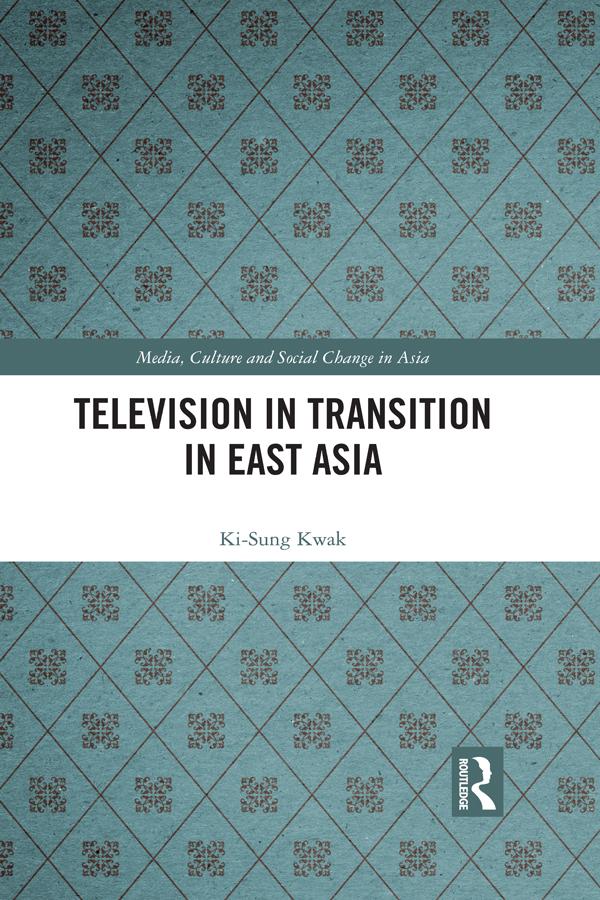
This book examines the development of television broadcasting in Japan, Hong Kong and South Korea. It explores the policy regimes guiding the development of television broadcasting as a powerful institution and the extent to which new forms of television have become part of each country’s contemporary media mix. It analyses the interests involved in key policy decisions, the institutional dynamics promoting or inhibiting new media markets, and the relative importance in the different countries of cable, satellite, digital broadcasting, and the use of the Internet for purposes associated with television broadcasting. The nature of television regimes in each of the three countries is very different, and the contrasting situations provide great insights into how television is developing, and how it could develop further, both in East Asia and worldwide.
Betala smidigt med kort, Klarna, Apple Pay eller Google Pay. Är du inte nöjd har du alltid 14 dagars ångerrätt. Läs mer i våra villkor. Har du några frågor, mejla oss på hello@memmo.org.
Memmo gör det enklare att plugga – var du än är i världen. Hos oss samlar du kursböcker och smarta studieverktyg på ett och samma ställe: sammanfattningar, quiz, poddar och flashcards. Och så Ted, din studiekompis som svarar på allt du undrar. Över 50 000 studenter pluggar redan här – byggt för att du ska lära dig snabbare och stressa mindre.