
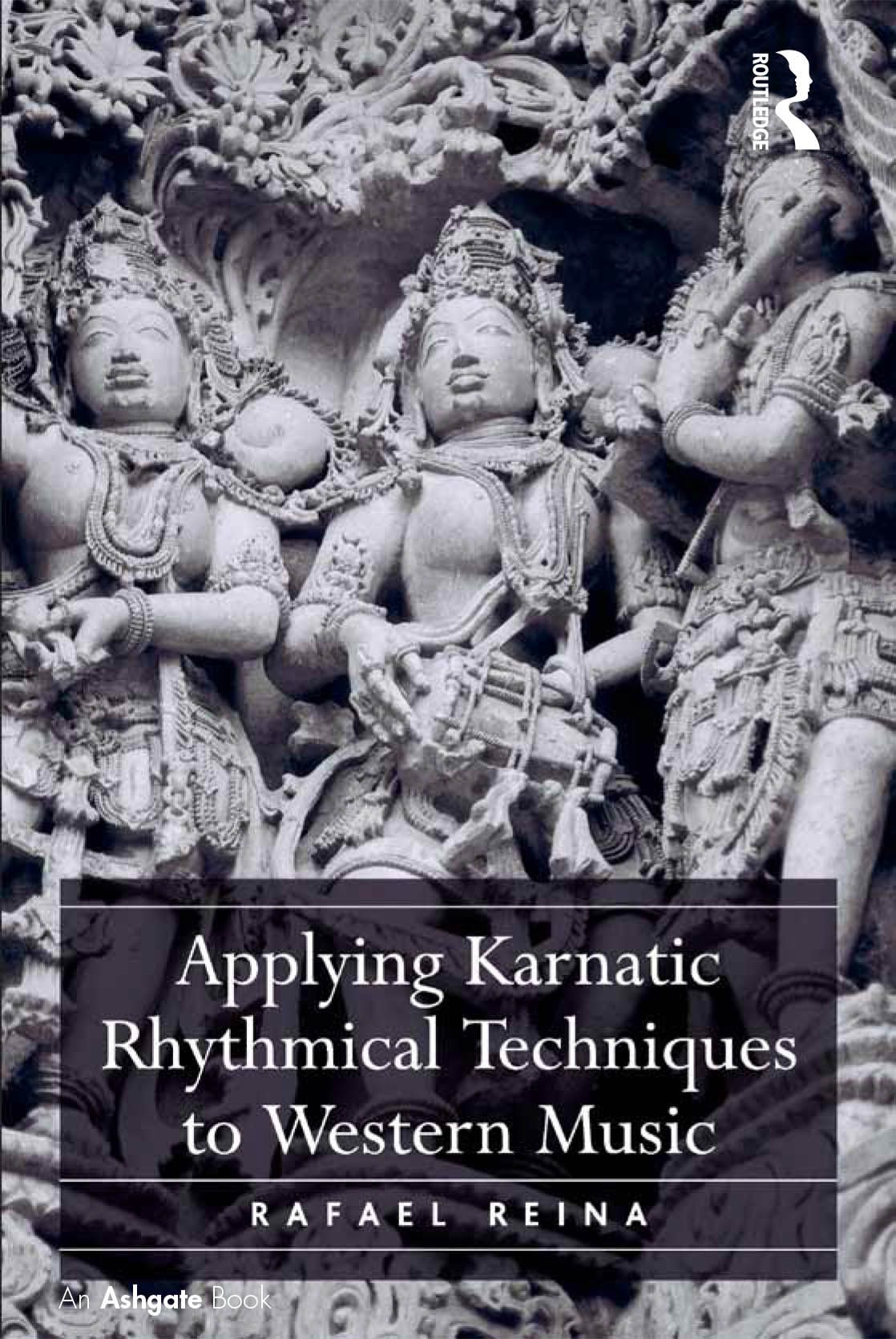
Most classical musicians, whether in orchestral or ensemble situations, will have to face a piece by composers such as Ligeti, Messiaen, Varèse or Xenakis, while improvisers face music influenced by Dave Holland, Steve Coleman, Aka Moon, Weather Report, Irakere or elements from the Balkans, India, Africa or Cuba. Rafael Reina argues that today’s music demands a new approach to rhythmical training, a training that will provide musicians with the necessary tools to face, with accuracy, more varied and complex rhythmical concepts, while keeping the emotional content. Reina uses the architecture of the South Indian Karnatic rhythmical system to enhance and radically change the teaching of rhythmical solfege at a higher education level and demonstrates how this learning can influence the creation and interpretation of complex contemporary classical and jazz music. The book is designed for classical and jazz performers as well as creators, be they composers or improvisers, and is a clear and complete guide that will enable future solfege teachers and students to use these techniques and their methodology to greatly improve their rhythmical skills. An accompanying website of audio examples helps to explain each technique.
For examples of composed and improvised pieces by students who have studied this book, as well as concerts by highly acclaimed karnatic musicians, please copy this link to your browser: http://www.contemporary-music-through-non-western-techniques.com/pages/1587-video-recordings
Betala smidigt med kort, Klarna, Apple Pay eller Google Pay. Är du inte nöjd har du alltid 14 dagars ångerrätt. Läs mer i våra villkor. Har du några frågor, mejla oss på hello@memmo.org.
Memmo gör det enklare att plugga – var du än är i världen. Hos oss samlar du kursböcker och smarta studieverktyg på ett och samma ställe: sammanfattningar, quiz, poddar och flashcards. Och så Ted, din studiekompis som svarar på allt du undrar. Över 50 000 studenter pluggar redan här – byggt för att du ska lära dig snabbare och stressa mindre.