
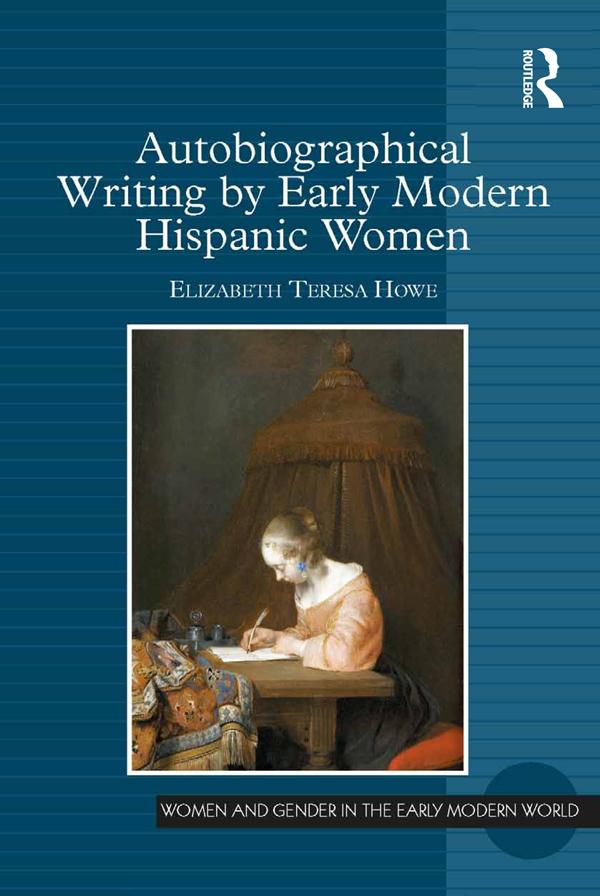
Women’s life writing in general has too often been ignored, dismissed, or relegated to a separate category in those few studies of the genre that include it. The present work addresses these issues and offers a countervailing argument that focuses on the contributions of women writers to the study of autobiography in Spanish during the early modern period. There are, indeed, examples of autobiographical writing by women in Spain and its New World empire, evident as early as the fourteenth-century Memorias penned by Doña Leonor López de Cordóba and continuing through the seventeenth-century Cartas of Sor Juana Inés de la Cruz. What sets these accounts apart, the author shows, are the variety of forms adopted by each woman to tell her life and the circumstances in which she adapts her narrative to satisfy the presence of male critics-whether ecclesiastic or political, actual or imagined-who would dismiss or even alter her life story. Analyzing how each of these women viewed her life and, conversely, how their contemporaries-both male and female-received and sometimes edited her account, Howe reveals the tension in the texts between telling a ’life’ and telling a ’lie’.
Betala smidigt med kort, Klarna, Apple Pay eller Google Pay. Är du inte nöjd har du alltid 14 dagars ångerrätt. Läs mer i våra villkor. Har du några frågor, mejla oss på hello@memmo.org.
Memmo gör det enklare att plugga – var du än är i världen. Hos oss samlar du kursböcker och smarta studieverktyg på ett och samma ställe: sammanfattningar, quiz, poddar och flashcards. Och så Ted, din studiekompis som svarar på allt du undrar. Över 50 000 studenter pluggar redan här – byggt för att du ska lära dig snabbare och stressa mindre.
Du kanske också gillar
Köp boken0