
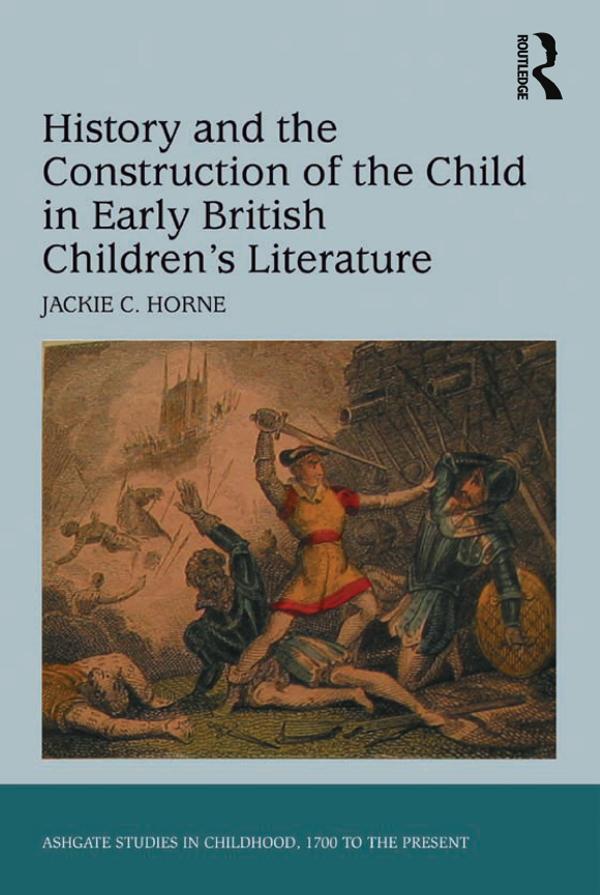
How did the 'flat' characters of eighteenth-century children's literature become 'round' by the mid-nineteenth? While previous critics have pointed to literary Romanticism for an explanation, Jackie C. Horne argues that this shift can be better understood by looking to the discipline of history. Eighteenth-century humanism believed the purpose of history was to teach private and public virtue by creating idealized readers to emulate. Eighteenth-century children's literature, with its impossibly perfect protagonists (and its equally imperfect villains) echoes history's exemplar goals. Exemplar history, however, came under increasing pressure during the period, and the resulting changes in historiographical practice - an increased need for reader engagement and the widening of history's purview to include the morals, manners, and material lives of everyday people - find their mirror in changes in fiction for children. Horne situates hitherto neglected Robinsonades, historical novels, and fictionalized histories within the cultural, social, and political contexts of the period to trace the ways in which idealized characters gradually gave way to protagonists who fostered readers' sympathetic engagement. Horne's study will be of interest to specialists in children's literature, the history of education, and book history.
Sidor: 298
Kategori: Litteraturvetenskap & Teori
e-ISBN: 9781317121688
Fraktvikt: 1.2 kg
Skickas inom: 1-2 dagar
Betala smidigt med kort, Klarna, Apple Pay eller Google Pay. Är du inte nöjd har du alltid 14 dagars ångerrätt. Läs mer i våra villkor. Har du några frågor, mejla oss på hello@memmo.org.
Memmo gör det enklare att plugga – var du än är i världen. Hos oss samlar du kursböcker och smarta studieverktyg på ett och samma ställe: sammanfattningar, quiz, poddar och flashcards. Och så Ted, din studiekompis som svarar på allt du undrar. Över 50 000 studenter pluggar redan här – byggt för att du ska lära dig snabbare och stressa mindre.
Du kanske också gillar
Köp boken0