
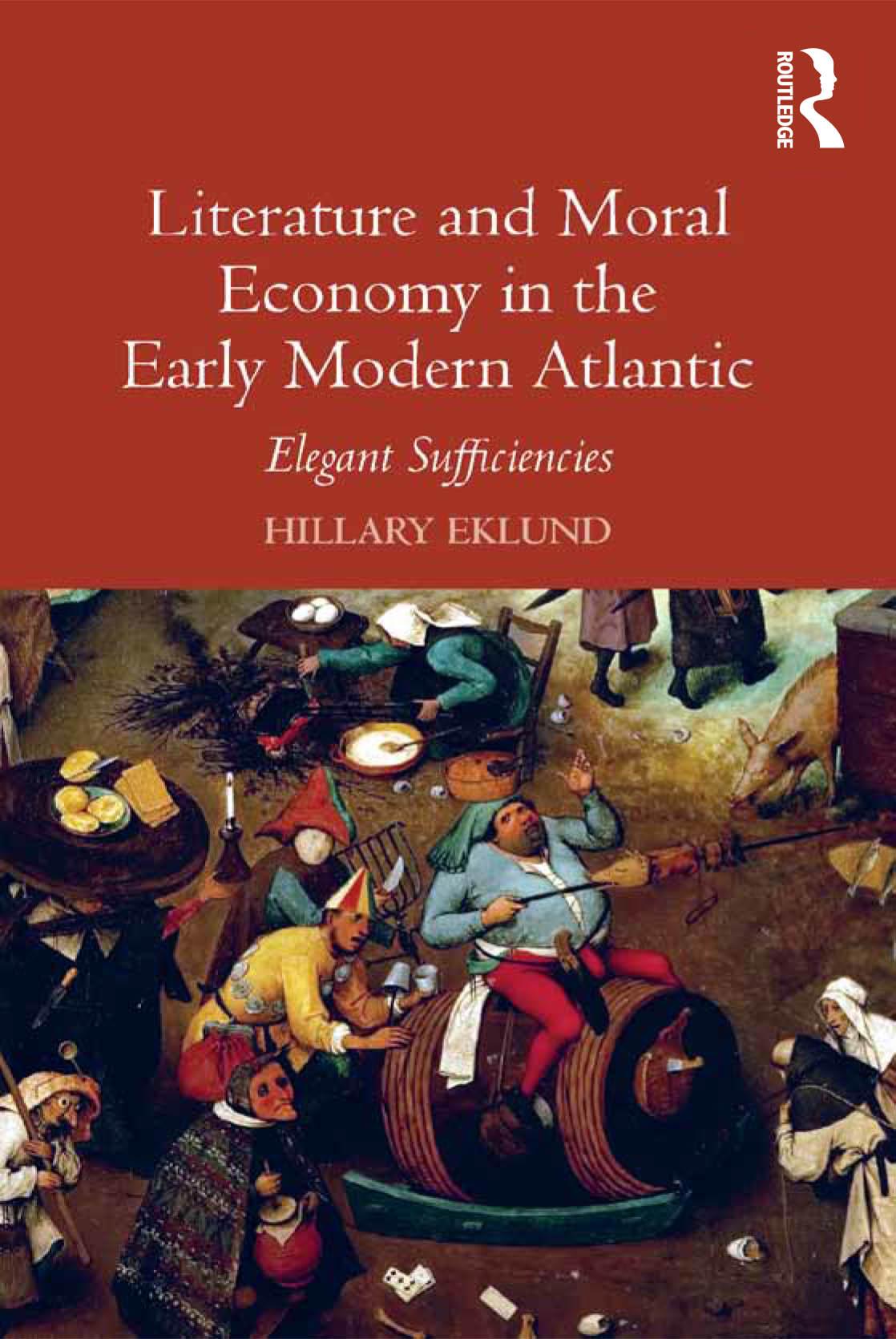
Grounded in the literary history of early modern England, this study explores the intersection of cultural attitudes and material practices that shape the acquisition, circulation, and consumption of resources at the turn of the seventeenth century. Considering a formally diverse and ideologically rich array of texts from the period - including drama, poetry, and prose, as well as travel narrative and early modern political and literary theory - this book shows how ideas about what is considered 'enough' adapt to changing material conditions and how cultural forces shape those adaptations. Literature and Moral Economy in the Early Modern Atlantic traces how early modern English authors improvised new models of sufficiency that pushed back the threshold of excess to the frontier of the known world itself. The book argues that standards of economic sufficiency as expressed through literature moved from subsistence toward the increasing pursuit of plenty through plunder, trade, and plantation. Author Hillary Eklund describes what it means to have enough in the moral economies of eating, travel, trade, land use and public policy.
Sidor: 242
Kategori: Litteraturvetenskap & Teori
e-ISBN: 9781317104438
Fraktvikt: 1.2 kg
Skickas inom: 1-2 dagar
Betala smidigt med kort, Klarna, Apple Pay eller Google Pay. Är du inte nöjd har du alltid 14 dagars ångerrätt. Läs mer i våra villkor. Har du några frågor, mejla oss på hello@memmo.org.
Memmo gör det enklare att plugga – var du än är i världen. Hos oss samlar du kursböcker och smarta studieverktyg på ett och samma ställe: sammanfattningar, quiz, poddar och flashcards. Och så Ted, din studiekompis som svarar på allt du undrar. Över 50 000 studenter pluggar redan här – byggt för att du ska lära dig snabbare och stressa mindre.
Du kanske också gillar
Köp boken0