
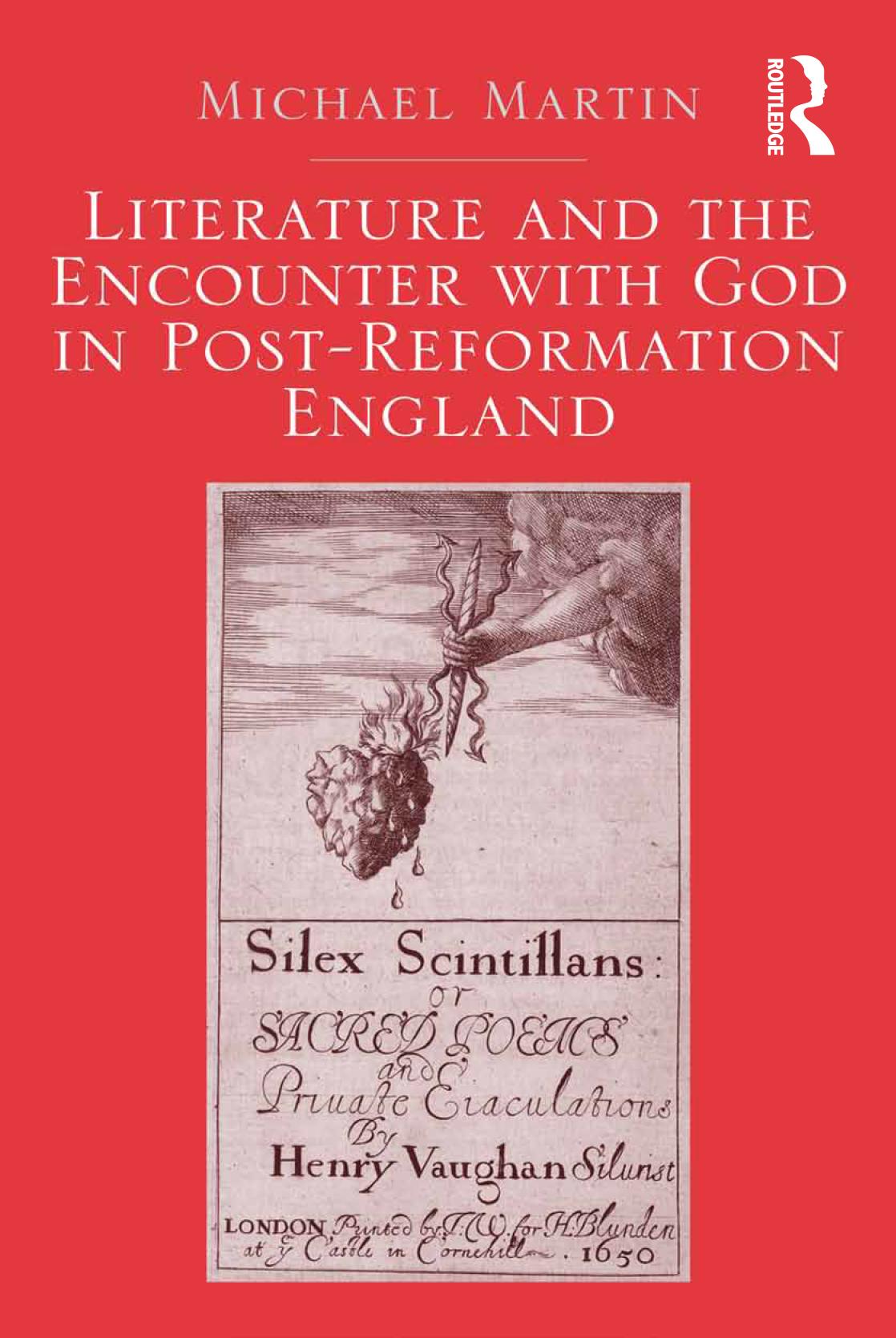
Each of the figures examined in this study”John Dee, John Donne, Sir Kenelm Digby, Henry and Thomas Vaughan, and Jane Lead”is concerned with the ways in which God can be approached or experienced. Michael Martin analyzes the ways in which the encounter with God is figured among these early modern writers who inhabit the shared cultural space of poets and preachers, mystics and scientists. The three main themes that inform this study are Cura animarum, the care of souls, and the diminished role of spiritual direction in post-Reformation religious life; the rise of scientific rationality; and the struggle against the disappearance of the Holy. Arising from the methods and commitments of phenomenology, the primary mode of inquiry of this study resides in contemplation, not in a religious sense, but in the realm of perception, attendance, and acceptance. Martin portrays figures such as Dee, Digby, and Thomas Vaughan not as the eccentrics they are often depicted to have been, but rather as participating in a religious mainstream that had been radically altered by the disappearance of any kind of mandatory or regular spiritual direction, a problem which was further complicated and exacerbated by the rise of science. Thus this study contributes to a reconfiguration of our notion of what ’religious orthodoxy’ really meant during the period, and calls into question our own assumptions about what is (or was) ’orthodox’ and ’heterodox.’
Betala smidigt med kort, Klarna, Apple Pay eller Google Pay. Är du inte nöjd har du alltid 14 dagars ångerrätt. Läs mer i våra villkor. Har du några frågor, mejla oss på hello@memmo.org.
Memmo gör det enklare att plugga – var du än är i världen. Hos oss samlar du kursböcker och smarta studieverktyg på ett och samma ställe: sammanfattningar, quiz, poddar och flashcards. Och så Ted, din studiekompis som svarar på allt du undrar. Över 50 000 studenter pluggar redan här – byggt för att du ska lära dig snabbare och stressa mindre.
Du kanske också gillar
Köp boken0